Is Kyoto Aquarium worth visiting?

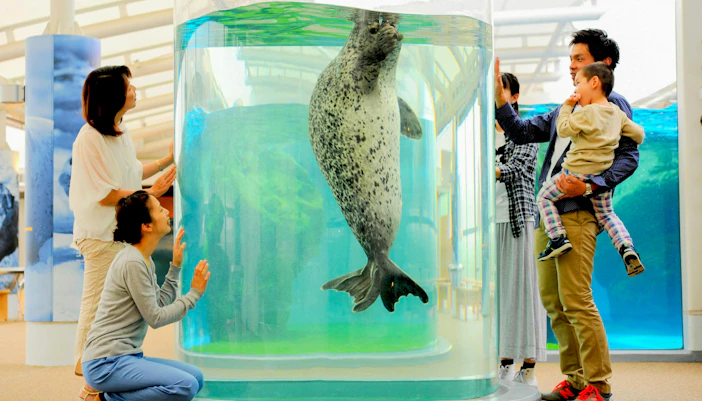
Kyoto Aquarium offers a refreshing break from the city's temples and shrines, taking you on a journey through the aquatic ecosystems that shape Kyoto's natural landscape. Set within Umekoji Park, the aquarium follows the flow of water from mountain rivers to the sea, combining native freshwater habitats with marine exhibits, playful penguins, dolphins, and beautifully designed jellyfish displays. Rather than focusing purely on spectacle, it blends entertainment with environmental education, making every exhibit part of a larger story about interconnected ecosystems.

As Japan's first large-scale inland aquarium, it was created to help visitors understand the relationship between Kyoto's rivers, wildlife, and people through immersive exhibits, keeper talks, and conservation programmes. The relaxed layout makes it easy to explore at your own pace without feeling overwhelmed.

The biggest takeaway is discovering Kyoto's aquatic world through thoughtful exhibits that balance education, conservation, and family-friendly entertainment.

Skip it if you're looking for one of Japan's largest aquariums with massive ocean tanks or full-scale marine mammal shows.

What to see at Kyoto Aquarium

Placeholder Image Headout Blimp
1/6

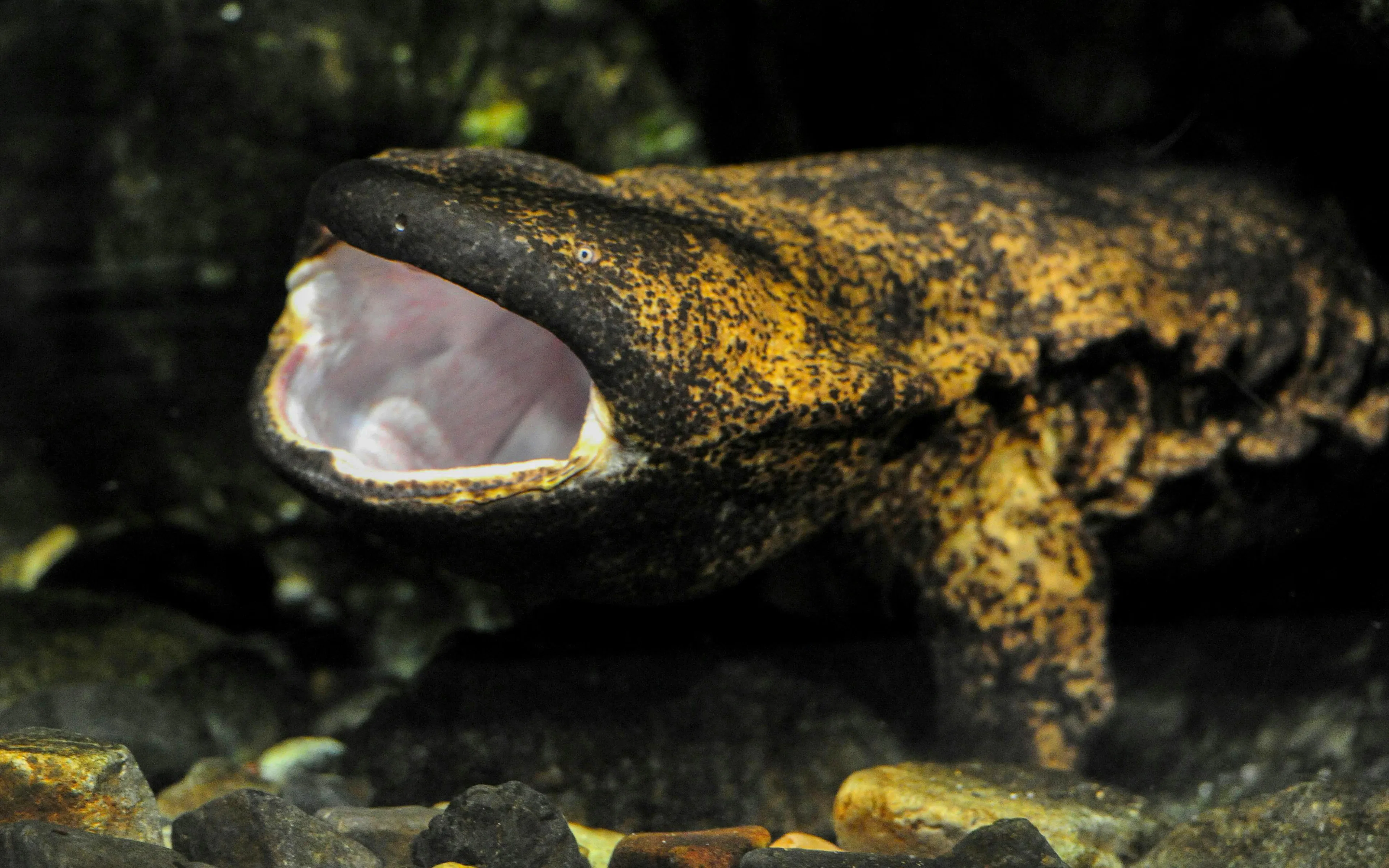
Japanese giant salamanders

Meet one of Kyoto Aquarium's most iconic residents. Native to the region, these prehistoric-looking amphibians are among the world's largest salamanders and represent the aquarium's strong focus on local wildlife.

River of Kyoto

Explore freshwater habitats inspired by Kyoto's rivers and mountain streams, where native fish and aquatic species demonstrate how local ecosystems support biodiversity from source to sea.

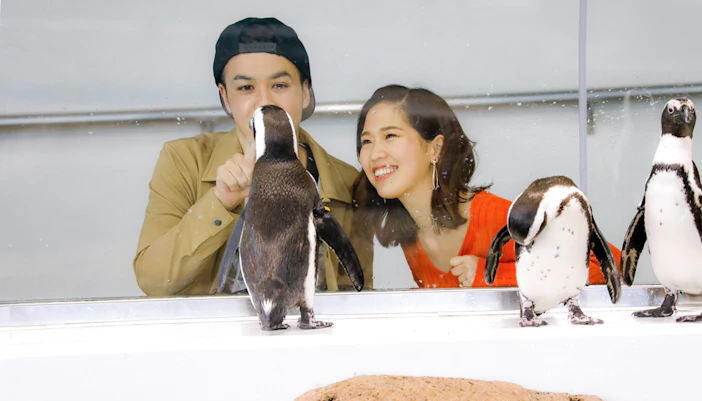
Penguin habitat

Watch Humboldt penguins swim, waddle, and interact in an open habitat designed to showcase their natural behaviour. Keeper talks and feeding sessions make this one of the aquarium's most popular areas.

Dolphin Stadium

Observe bottlenose dolphins during educational presentations that highlight their intelligence, behaviour, and daily care rather than focusing solely on tricks and performances.

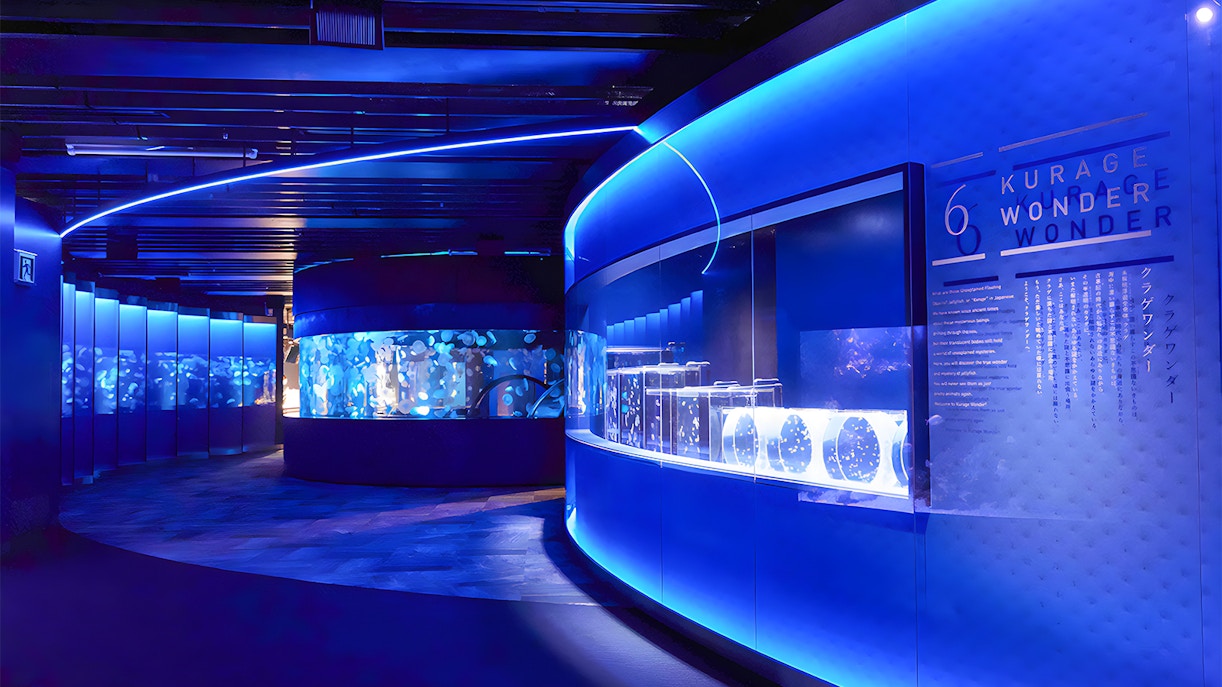
Jellyfish Wonderland

Step into a softly illuminated gallery filled with elegant jellyfish displays. Curved tanks, artistic lighting, and gentle movement create one of the aquarium's most relaxing and photogenic spaces.

Sea of Kyoto

The journey concludes with marine habitats representing the waters connected to Kyoto's rivers, illustrating how freshwater ecosystems ultimately flow into coastal environments.

Discover Kyoto's underwater world

Follow the journey of water from mountain streams to the sea as you explore one of Japan's most thoughtfully designed aquariums, where local wildlife and marine conservation take centre stage.

How to explore Kyoto Aquarium

Most visitors spend 1.5–2 hours exploring Kyoto Aquarium. The exhibits follow a logical route through interconnected aquatic environments, making it easy to experience the attraction without backtracking.

Begin in the freshwater galleries, where you'll encounter Kyoto's famous giant salamanders and native river species before following the story downstream into marine habitats. Continue through the jellyfish exhibits and penguin habitat before timing your visit around a dolphin presentation or keeper talk if one is scheduled. Interactive displays and seasonal programmes are scattered throughout the aquarium, so leave some flexibility to enjoy any special events taking place during your visit.

Must-see: The Japanese giant salamanders, penguin habitat, dolphin presentations, and Jellyfish Wonderland are the aquarium's signature highlights.

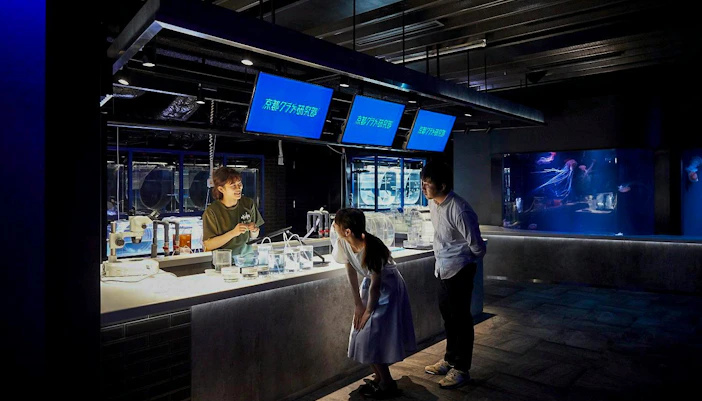
Optional: Keeper talks, workshops, and seasonal events add extra context for visitors interested in conservation and aquatic life.

Guided vs self-paced: Kyoto Aquarium is designed for independent exploration, allowing you to move at your own pace while joining presentations and feeding sessions throughout the day.
Brief history of Kyoto Aquarium

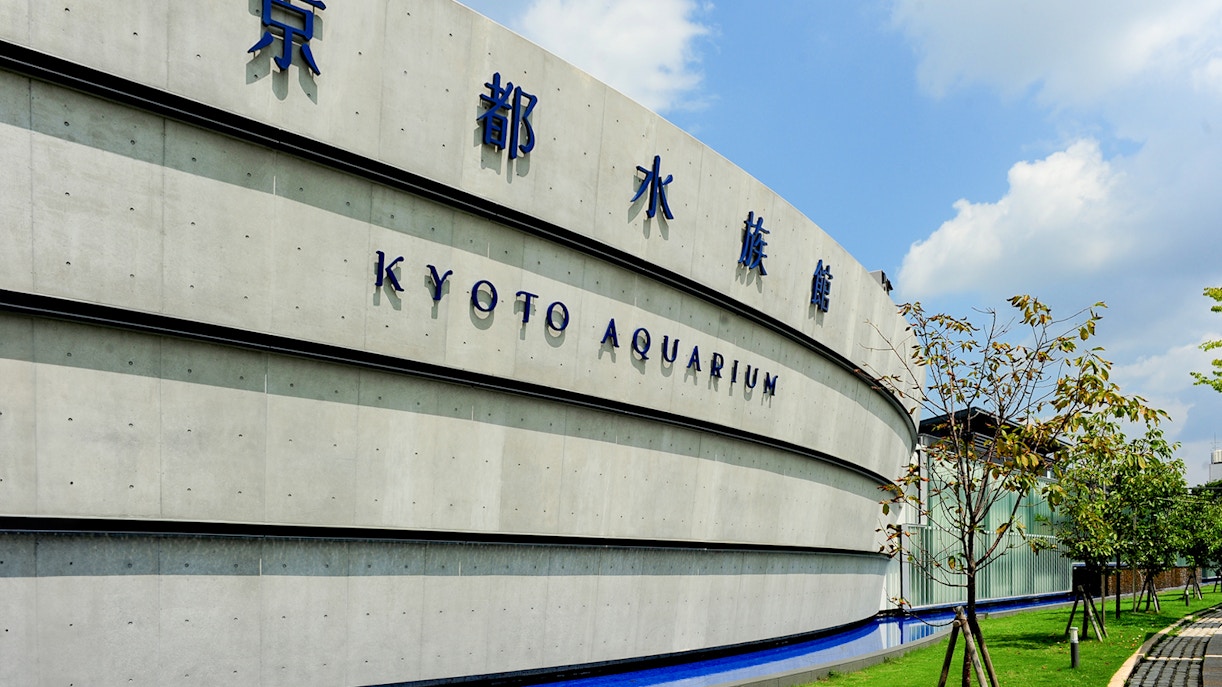
Kyoto Aquarium opened in March 2012, becoming Japan's first large-scale inland aquarium. Built within Umekoji Park rather than beside the sea, it demonstrated how modern artificial seawater technology could support diverse marine life while creating an educational attraction in the heart of Kyoto.

From the beginning, the aquarium was designed around the concept of following Kyoto's rivers to the sea, highlighting the connections between freshwater ecosystems, coastal habitats, and human life. Instead of relying on spectacle alone, it continues to combine immersive exhibits, conservation messaging, and educational programmes that encourage visitors to better understand Japan's aquatic environments.

Architecture of Kyoto Aquarium

Kyoto Aquarium reflects contemporary Japanese museum design, combining clean architecture with immersive naturalistic habitats. Rather than separating species into isolated tanks, the building guides visitors through a continuous journey from mountain streams to coastal waters, reinforcing the theme of interconnected ecosystems.

Inside, realistic rockwork, flowing water features, planted landscapes, and carefully controlled lighting recreate natural environments for each habitat. Large viewing windows, open gallery spaces, and thoughtfully designed circulation routes create an experience that's both relaxing and educational. Set within the greenery of Umekoji Park, the aquarium feels less like a standalone building and more like an extension of the surrounding landscape.

More than an aquarium

Kyoto Aquarium places conservation and education at the heart of every visit. Keeper talks, seasonal programmes, and interactive workshops help visitors understand aquatic ecosystems while highlighting the importance of protecting Kyoto's rivers and marine environments. Combined with its location inside Umekoji Park, it offers a relaxing indoor experience that complements the city's historic attractions rather than competing with them.

Frequently asked questions about Kyoto Aquarium

Yes. It's an excellent choice for families, couples, and anyone looking for a relaxing indoor attraction near Kyoto Station. Its focus on native wildlife, river ecosystems, and conservation sets it apart from larger entertainment-focused aquariums.

More reads