How Headout makes choosing experiences effortless
We curate the best ways to experience

We research and organise all unique experiences - from tickets to tours to special combos - so you get all the choices without the clutter.

1/4

Slide 1 of 4
We curate the best ways to experience
We partner with the best
All the best options, in one place
Book with complete peace of mind

Quick overview

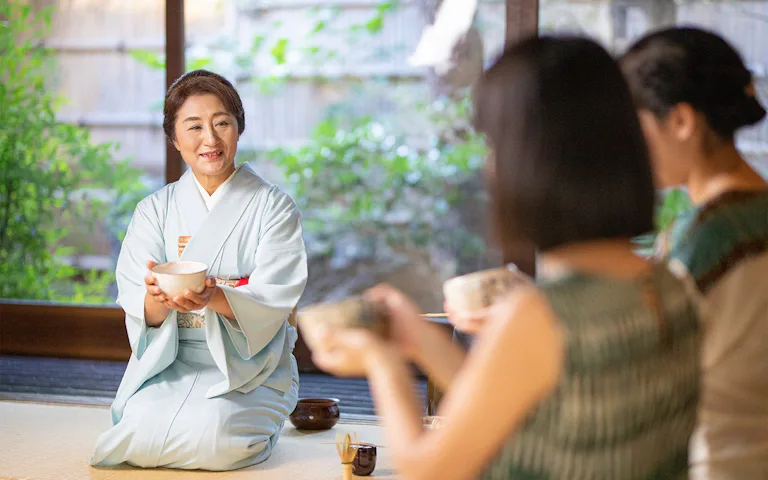
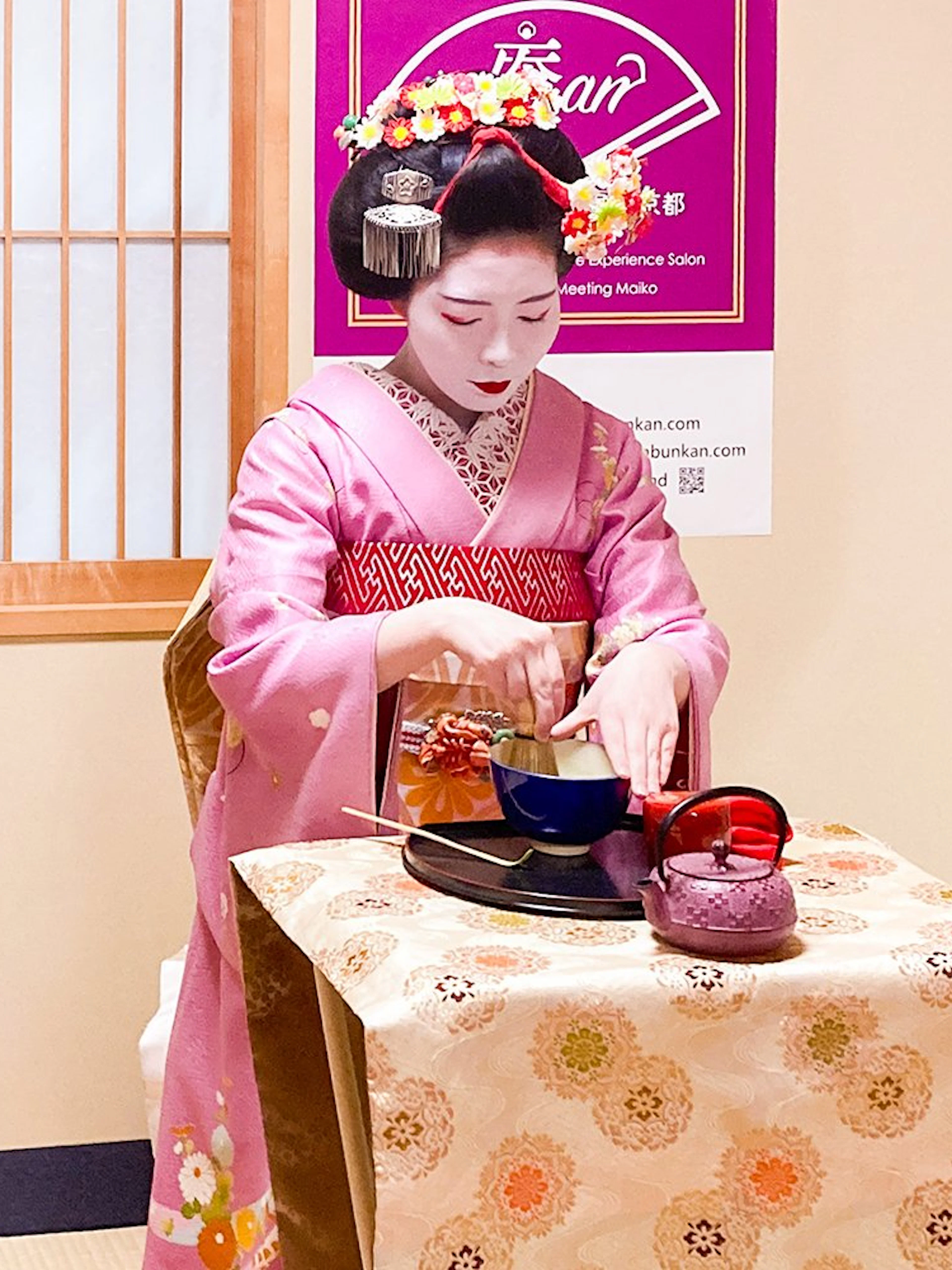
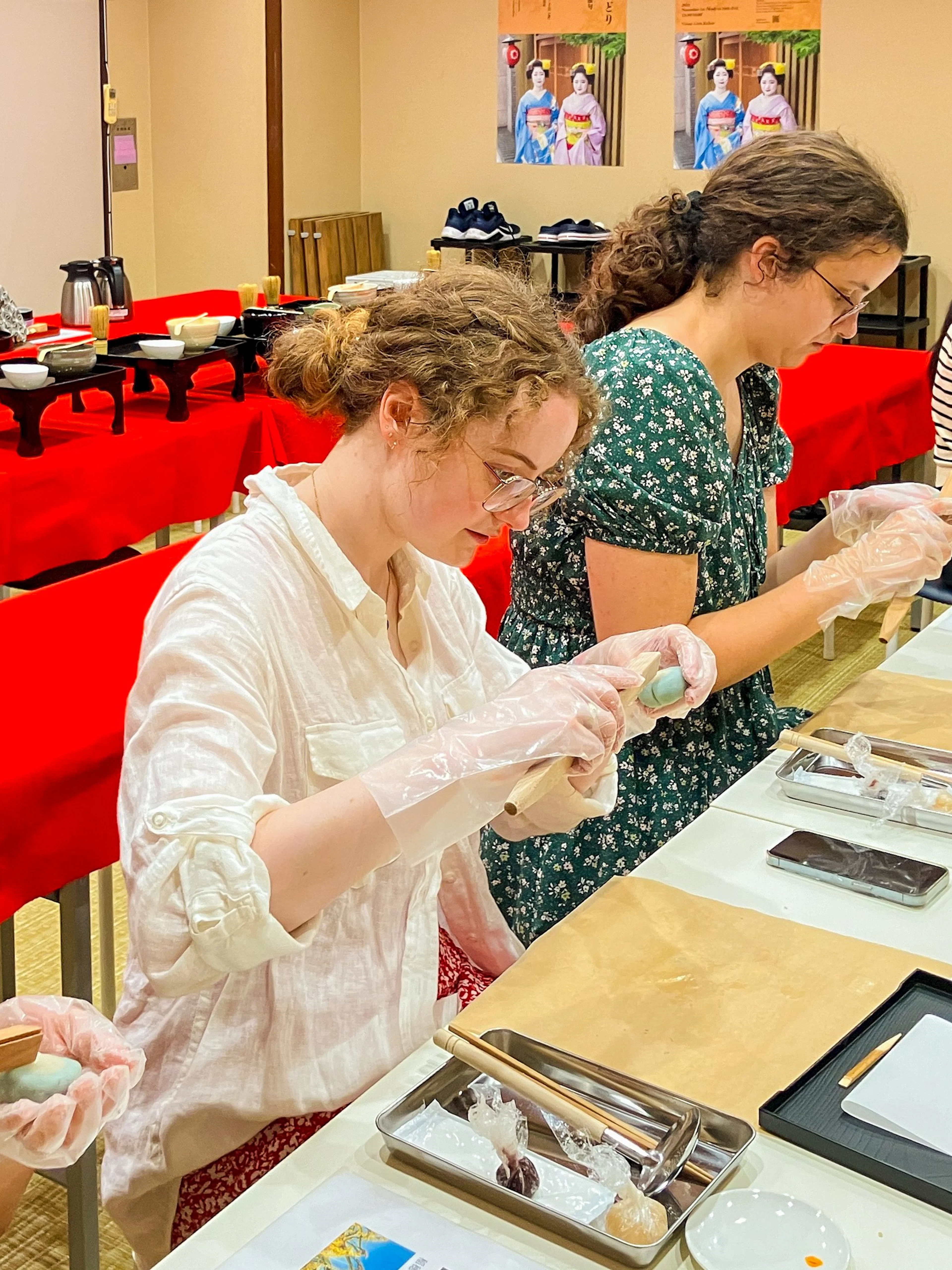
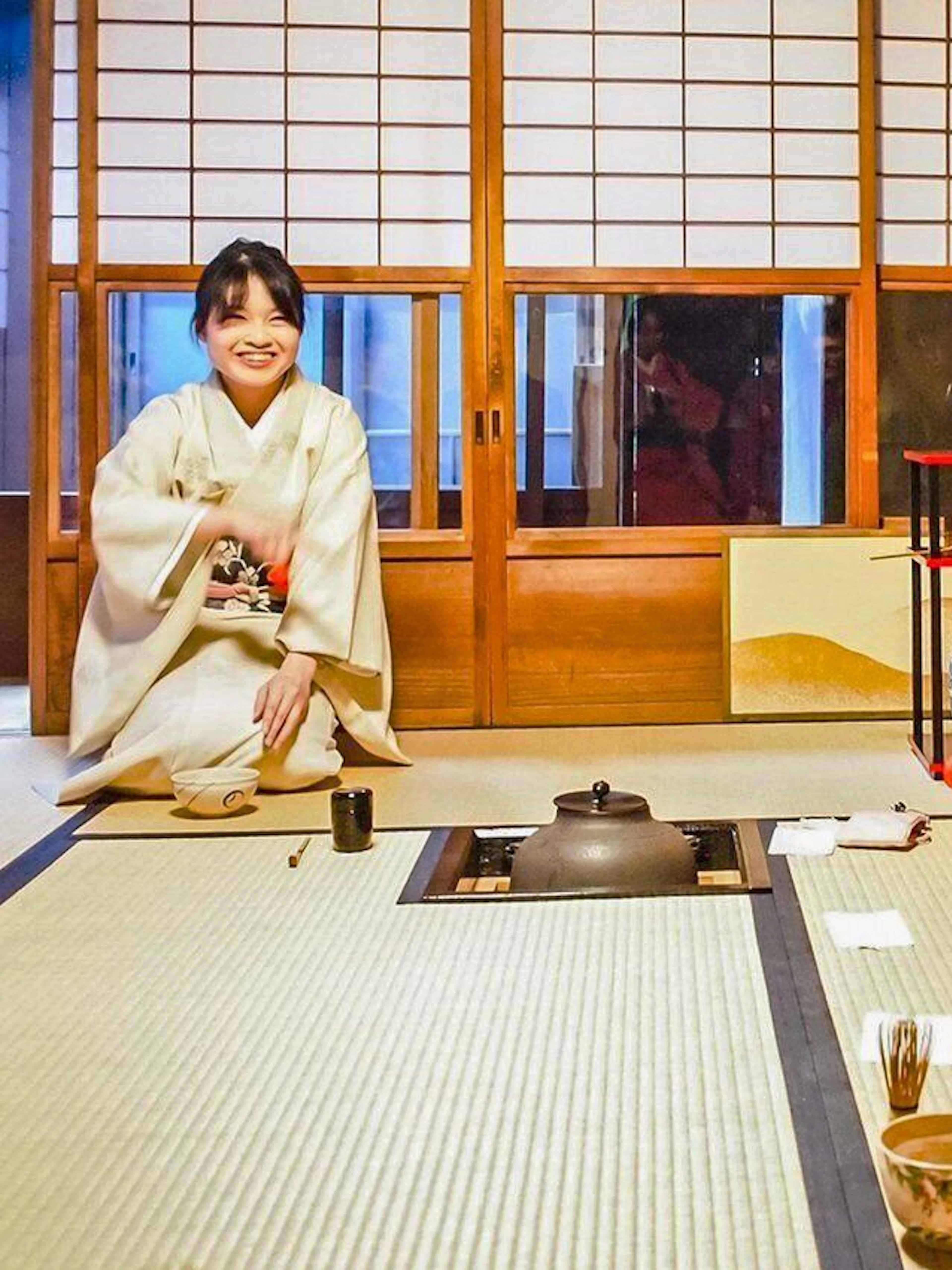
  • Ways to experience: Join a tea ceremony in Kyoto tea houses, machiya homes, or Uji venues, with options like matcha making, kimono rental, or private sessions.
  • What’s common: All tickets include tea master guidance, matcha preparation or serving, and wagashi sweets, lasting ~45–90 minutes depending on the option selected.
  • Inclusions vary: Some tickets add kimono dressing, matcha grinding, calligraphy, gold leaf art, or Tea Museum entry, which extend duration and cultural depth.
  • Unique experiences: Uji matcha workshops and private ceremonies offer quieter settings and deeper interaction. These limited slots often sell out first.
  • When to book: Spring and autumn dates fill fastest, especially kimono and private options. Book at least 3–5 days ahead for preferred time slots.
  • Good to know: Most venues are in central Kyoto like Gion or near landmarks. Transfers and geisha-hosted ceremonies are not included.
  • Best upgrade: Choose kimono or matcha making for hands-on immersion. Scroll down to compare options and pick the right experience.

Things to know before booking your Kyoto tea ceremony experience
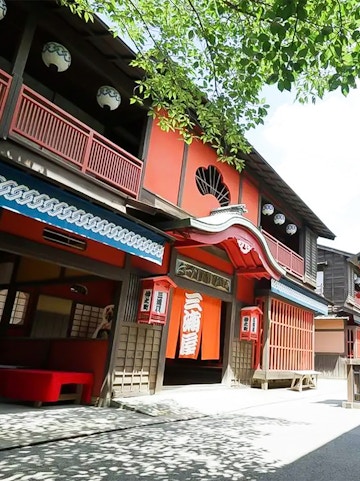
  • Book popular dates early: Machiya tea houses and kimono experiences sell out quickly during the cherry blossom and autumn foliage seasons. Book at least 2–4 weeks ahead for the best slots.
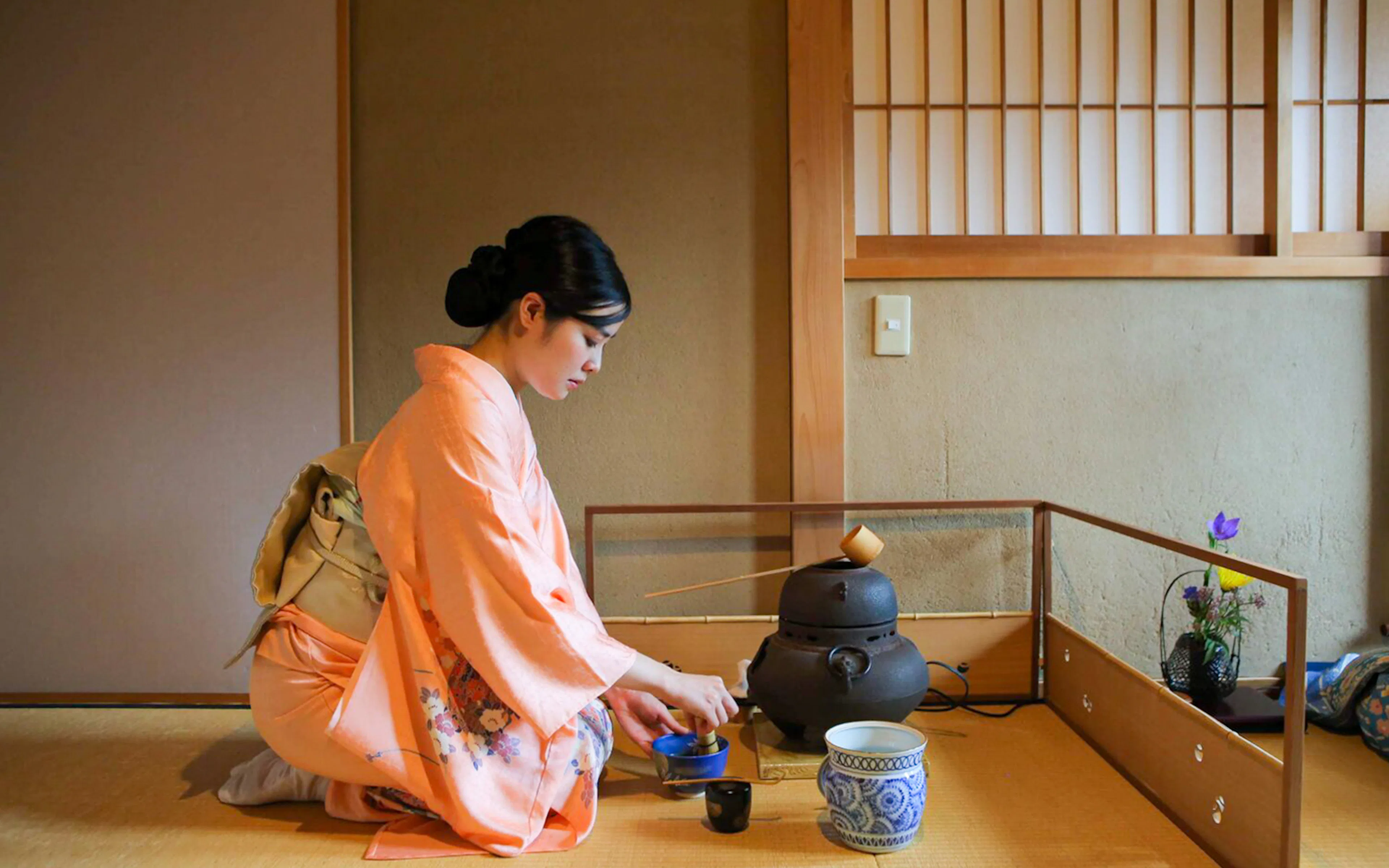
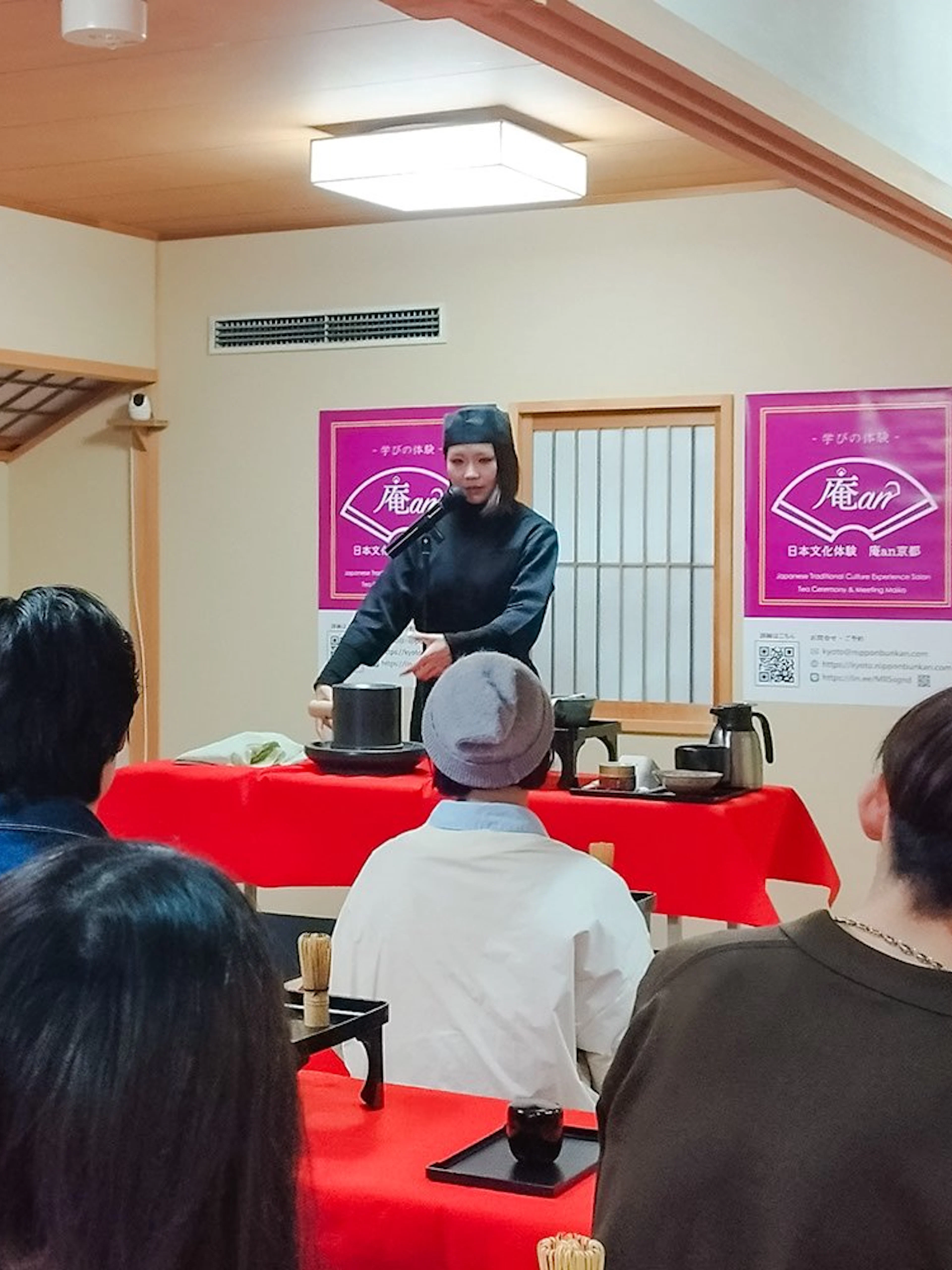
  • What standard sessions include: Most tickets cover a small-group ceremony in a traditional tea room with tea master guidance, matcha, and seasonal wagashi, lasting about 45–60 minutes.
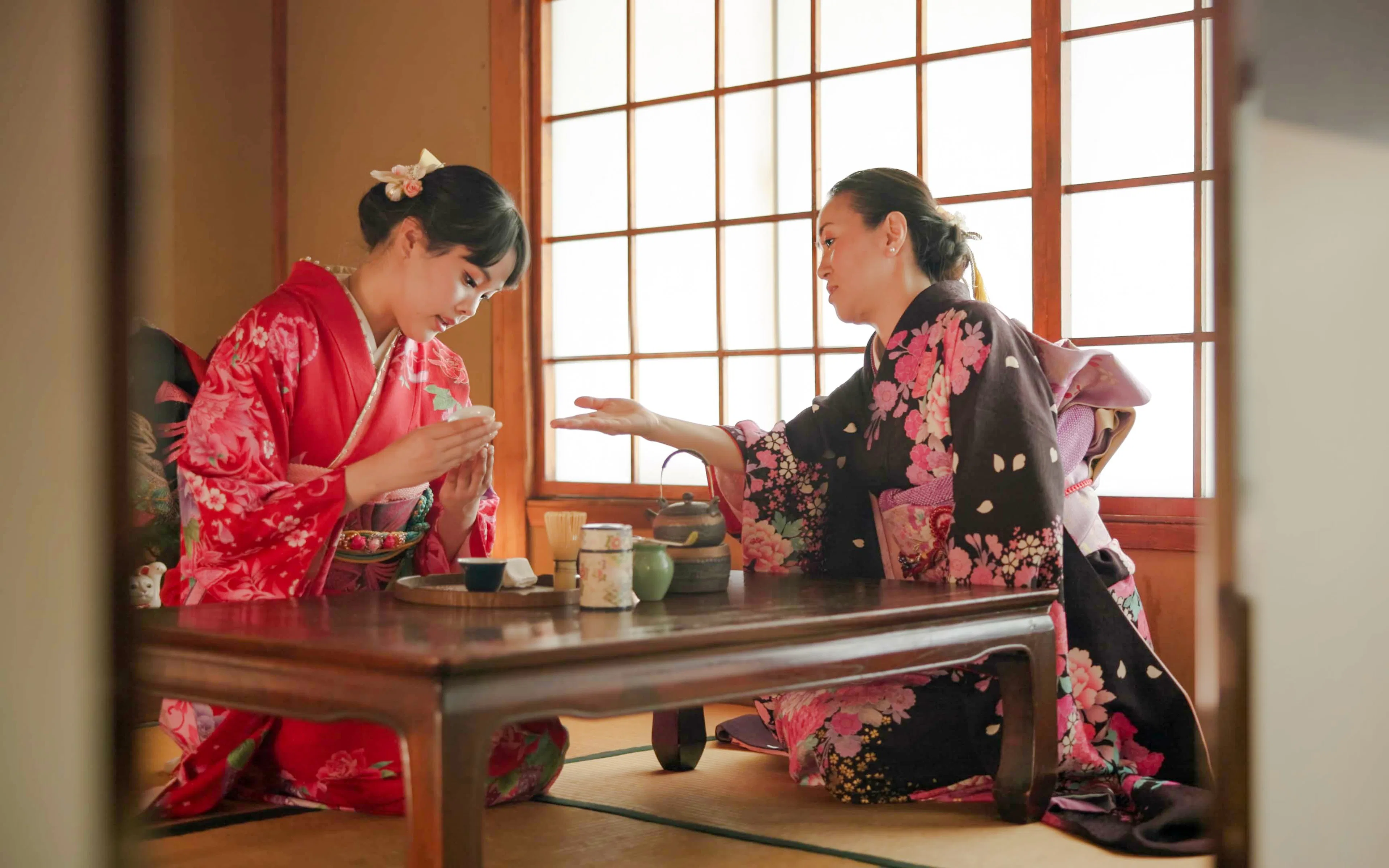
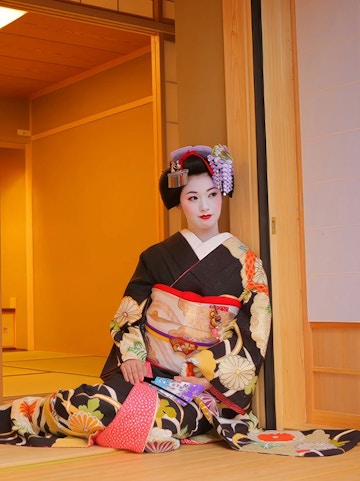
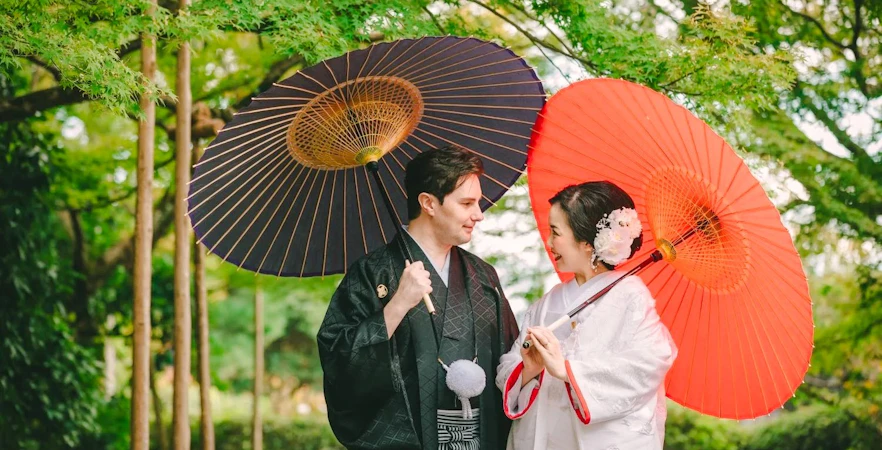
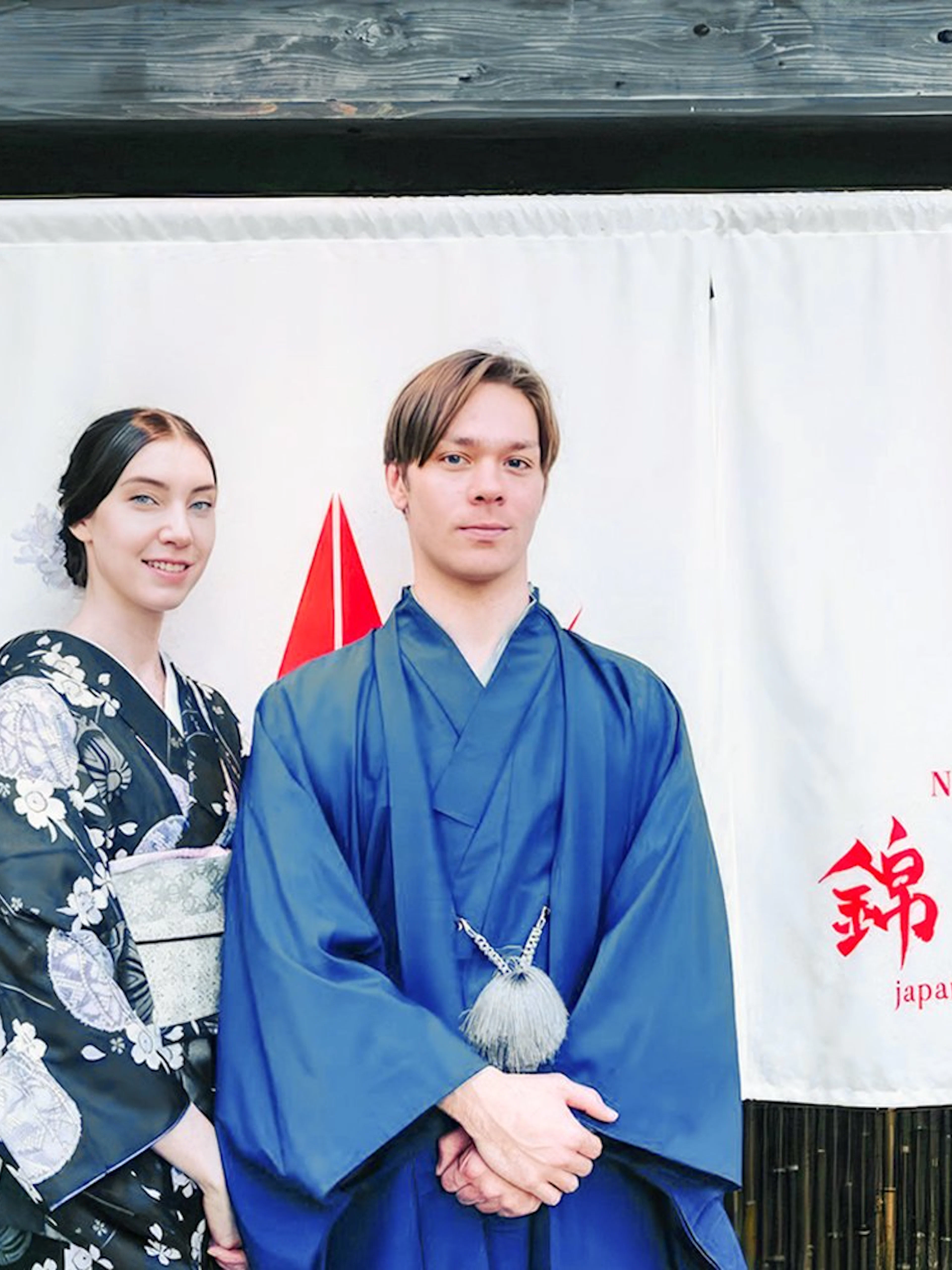
  • Kimono is an upgrade: Not all experiences include kimono rental by default. Check tickets like the kimono tea ceremony options if you want photos and full cultural immersion.
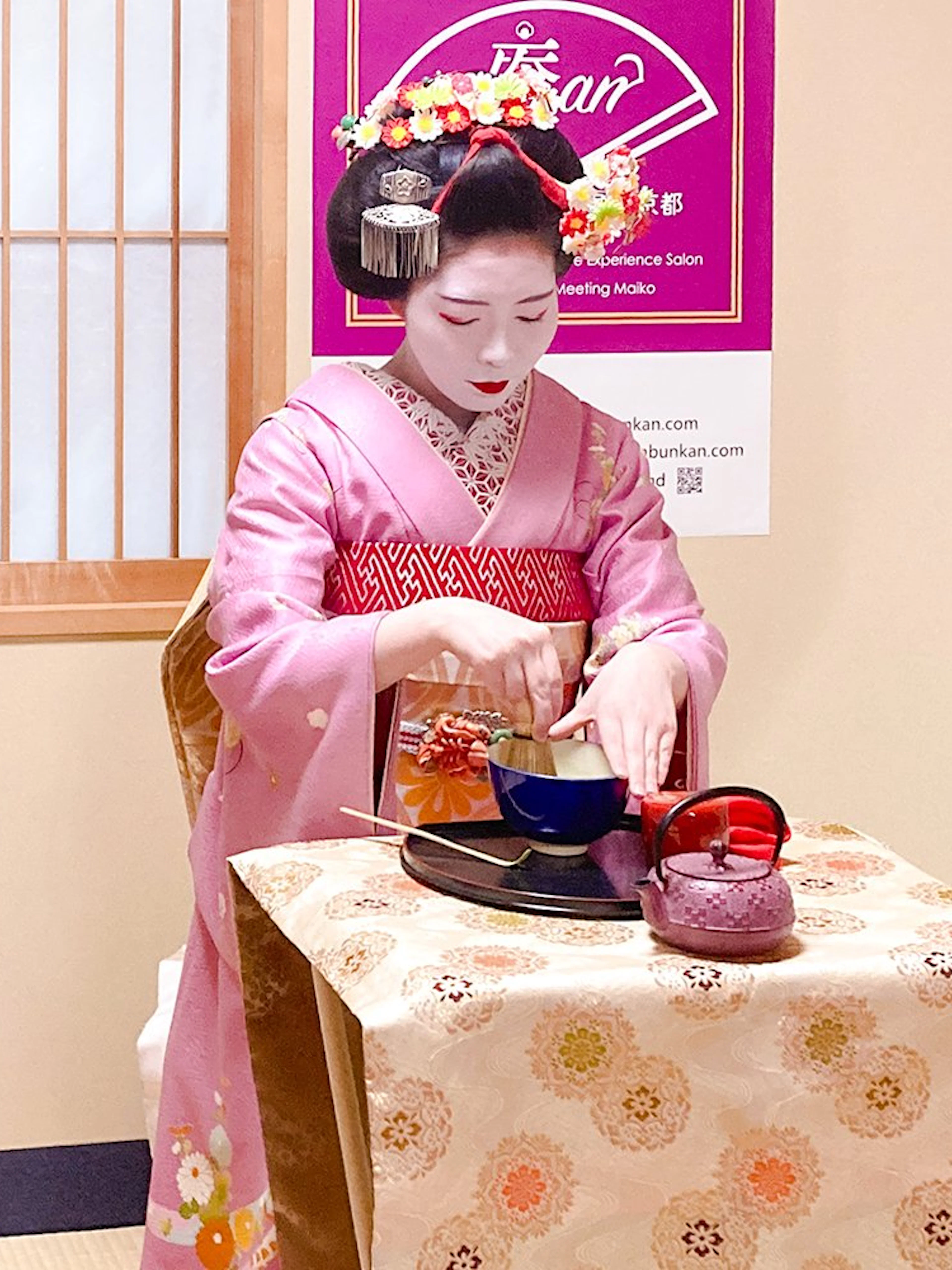
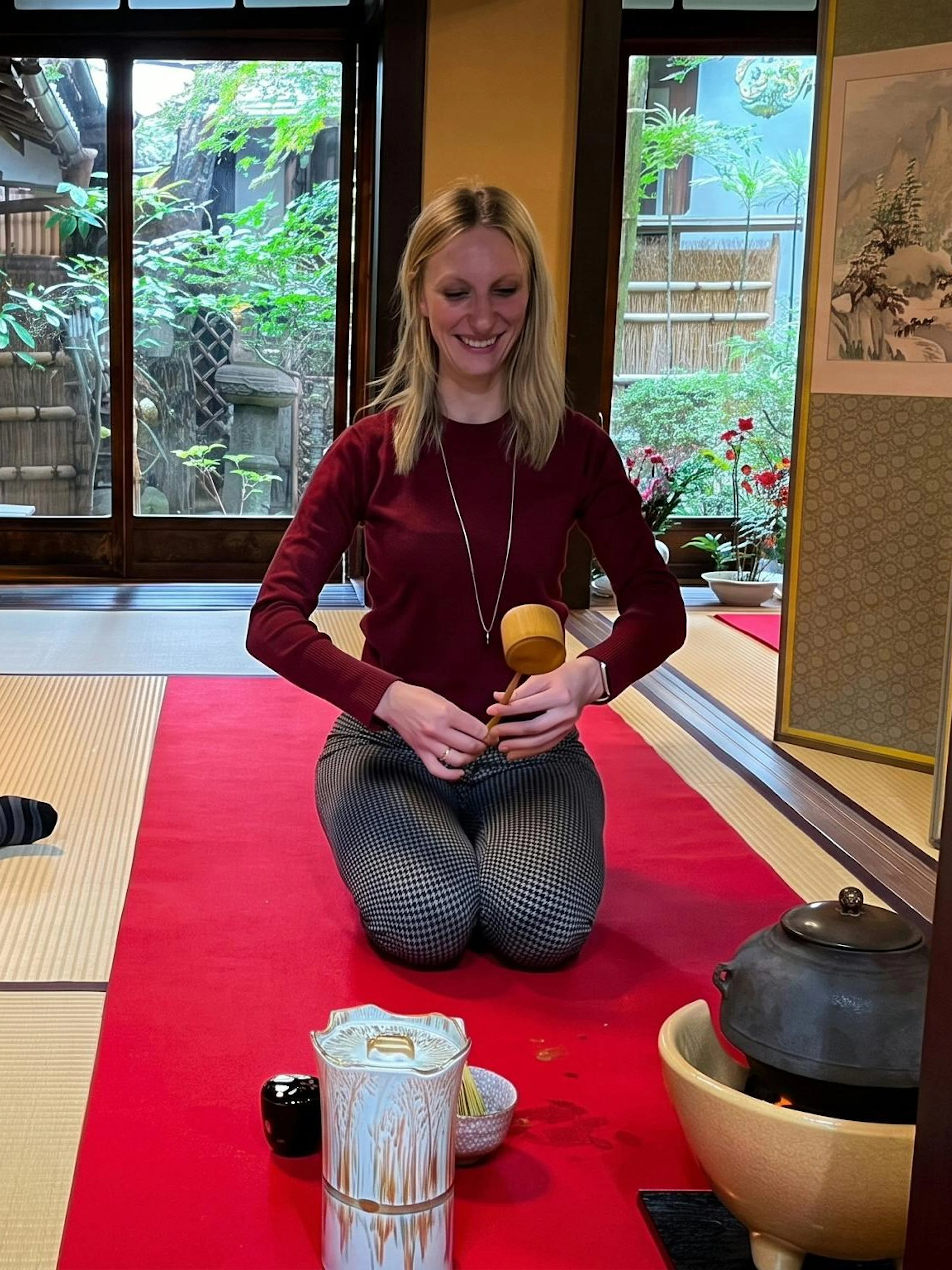
  • Hands-on options vary: Some experiences let you grind matcha in Uji, prepare tea yourself, or add crafts like calligraphy. These upgrades make the session more interactive.
  • Location affects atmosphere: Central Kyoto venues near Gion or Nishiki Market are convenient, while Uji ceremonies offer quieter surroundings and a deeper matcha heritage context.
  • Private vs shared sessions: Private ceremonies offer more personal interaction but follow a similar ritual format. Shared sessions are smaller groups and more budget-friendly.
  • Seating and accessibility: Traditional tatami seating is common, but most venues allow alternative seating if needed. No prior knowledge or special preparation is required.
  • Short but meaningful duration: Core ceremonies are under 1 hour. Longer tickets include kimono dressing or cultural activities rather than extending the tea ritual itself.

Find your tea ceremony experience match here

Ticket typeWhat’s includedWhy choose thisDurationGroup formatPrice from
Tea Ceremony (Kinkaku-ji area)

Matcha serving, seasonal wagashi, tea master guidance

Core ritual at the lowest entry price, quick cultural intro with minimal extras

~45–60 minutes

Shared

¥3,500

Kimono Rental & Tea Ceremony

Kimono dressing (regular or premium silk) + tea ceremony

Best value for photos and cultural immersion; extra time for dressing

~90–120 minutes

Shared / small groups

¥4,000

Kimono & Tea (Nishiki Market)

Kimono + ceremony + optional calligraphy or gold-leaf craft

Choose for hands-on cultural add-ons and stronger photo moments; higher price

~90–120 minutes

Shared / Private

¥7,700

Tea Ceremony & Wagashi

Ceremony in a machiya, seasonal wagashi; private option available

Authentic machiya setting; quieter atmosphere and better visuals

~60–90 minutes

Shared / Private

¥7,700

Grinding Matcha + Tea Museum

Matcha grinding workshop + Tea Museum entry

Best for matcha enthusiasts and learning origins; lower cost than premium machiya options

~60–90 minutes

Workshop / small group

¥2,800

Make Your Own Matcha

Guided meditative session + hands-on matcha making

Deeper, reflective format for mindful visitors who want a slower, focused experience

~60–90 minutes

Guided

¥7,000

Plan your Kyoto tea ceremony experience
  • Operating hours: Tea ceremonies usually run between late morning and early evening, with fixed session start times rather than open entry.
  • Session length: Standard ceremonies last about 45–90 minutes. Kimono, matcha grinding, or cultural add-ons can extend the visit to 2–3 hours.
  • Best time to go: Late morning and mid-afternoon offer the best balance of light, energy, and availability. Early evening sessions feel quieter and more relaxed.
  • Seasonal note: Spring and autumn are most popular. Weekdays and shoulder seasons offer better availability and a calmer atmosphere.
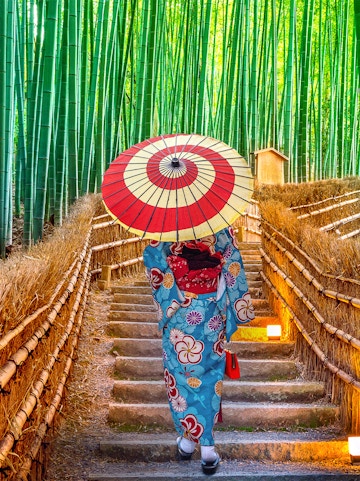
  • Where ceremonies take place: Experiences are held in traditional tea houses and machiya townhouses across Kyoto, including Gion, Nishiki Market, Imperial Palace area, and Uji.
  • Meeting style: Guests usually meet directly at the tea house. The exact address, directions, and entry details are shared after booking.
  • Getting there: Most locations are within central Kyoto and reachable by train, bus, or taxi. Uji venues take about 30–40 minutes from Kyoto Station.
  • Arrival tip: Plan to arrive 10–15 minutes early, especially when visiting smaller streets or unfamiliar neighborhoods.
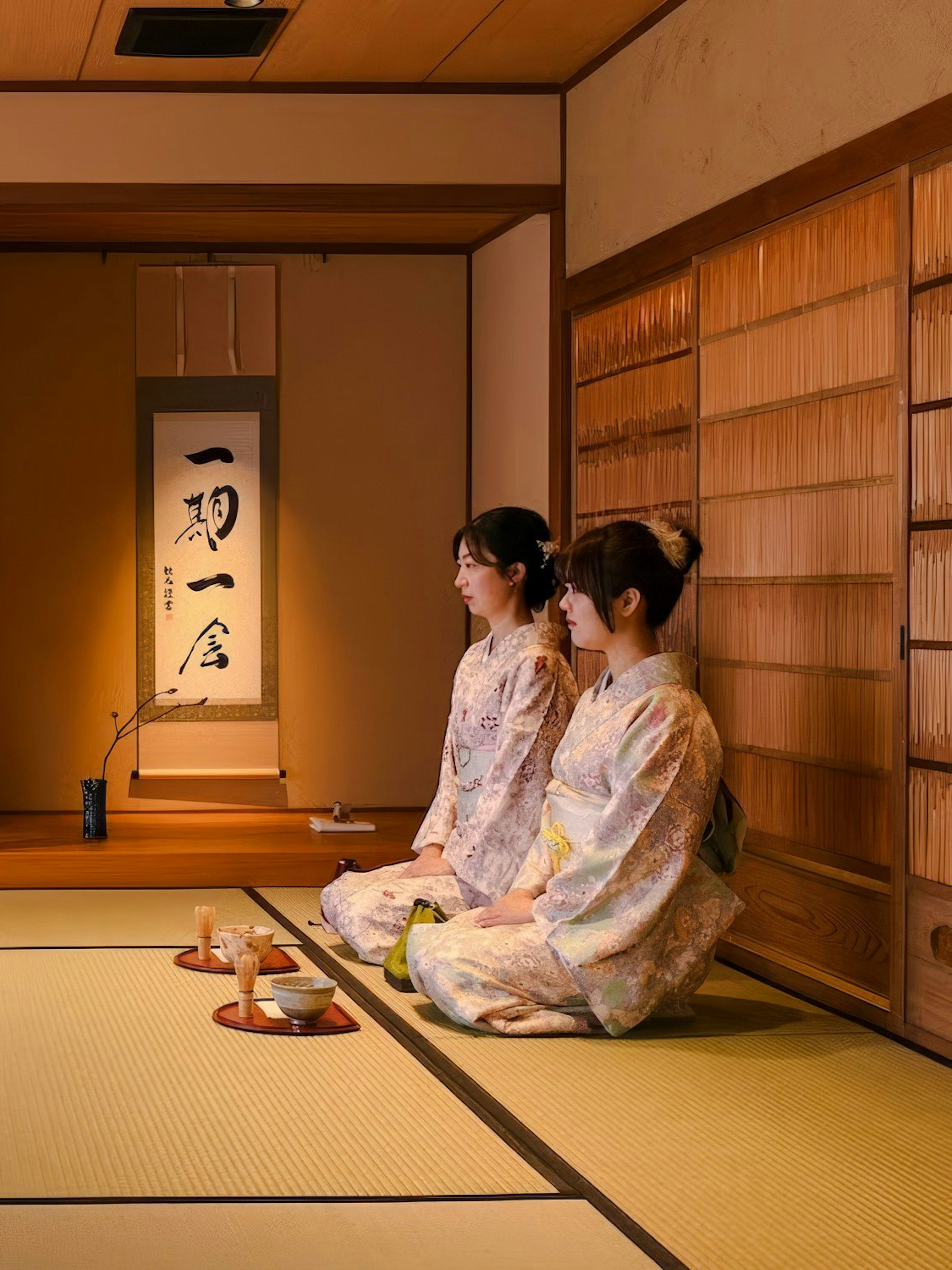
  • Seating style: Ceremonies take place on tatami floors. Most venues allow alternative seating positions or provide stools if needed.
  • Language: Sessions are designed for international visitors and typically include English explanation or guidance.
  • Physical effort: The experience is calm and low-effort, focused on sitting, observing, and preparing tea.
  • What to wear and bring: Comfortable clothing is recommended. Bring only small personal items, as tea rooms have limited storage space.

Tips & guidelines

  • Arrive early to settle in: Plan to reach the tea house 10–15 minutes before your session. Ceremonies begin on time, and late arrivals may not be admitted once the ritual starts.
  • Follow the host’s lead: You don’t need to memorize etiquette. Simply observe when to bow, how to hold the bowl, and when to drink. Clear guidance is given throughout.
  • Don’t worry about sitting posture: If kneeling feels uncomfortable, discreetly ask for a stool or sit cross-legged. Most Kyoto tea rooms quietly accommodate different comfort levels.
  • Save photos for the right moment: Focus on the ritual first. After the ceremony, you’ll usually have time to photograph the tearoom, sweets, and your kimono without interruption.
  • Treat it as an introduction: Public ceremonies are shorter, simplified versions of formal rituals. Expect a meaningful cultural overview rather than a multi-hour traditional event.
  • Show respect through small gestures: Handle the bowl with both hands, bow lightly when receiving and returning it, and follow the host’s pacing to match the room’s calm rhythm.
  • Wear a kimono only if you want: A kimono enhances the experience visually, but isn’t required. Attending in your regular clothes is completely appropriate and respectful.

Frequently asked questions about the Kyoto Tea Ceremony Experience

Yes, reservations are required. Sessions fill quickly, so book ahead online to secure your spot.