
Kyoto Tickets


Rentals vs photoshoot vs tea ceremony

Choose a kyoto kimono rental to explore at your own pace. Pick a photoshoot for professional images. Upgrade to a tea ceremony for a more traditional, guided experience.


How Headout makes choosing experiences effortless

We curate the best ways to experience

We research and organise all unique experiences - from tickets to tours to special combos - so you get all the choices without the clutter.

We partner with the best

Every supplier is vetted for quality, reliability, and value so you only get top rated experiences. No surprises, no disappointments.

All the best options, in one place

Each experience is thoughtfully organised to give you maximum availability, great value and an easy way to choose.

Book with complete peace of mind

Free cancellations, Flexible payments, and 24/7 support - thoughtfully designed for flexibility, assurance, and total peace of mind.

1/4

Slide 1 of 4

Quick overview

  • Ways to experience: Kyoto kimono rental options include temple-area rentals, machiya photoshoots, and tea ceremony experiences.
  • What’s common: Kimono dressing, accessories, and multiple style choices are included across most rentals.
  • Inclusions vary: Some options add hairstyling, makeup, professional photos, or tea ceremony access.
  • Locations matter: Choose Gion, Kiyomizu-dera, Arashiyama, or Kyoto Station based on your itinerary.
  • Time commitment: Rentals last a few hours to a full day; photoshoots ~30 mins; tea ceremonies ~90 mins.
  • When to book: Peak cherry blossom and autumn seasons sell out early, especially near Kiyomizu-dera and Gion.
  • Best upgrade: Pick silk kimono + tea ceremony for a more immersive cultural experience; scroll to compare options.
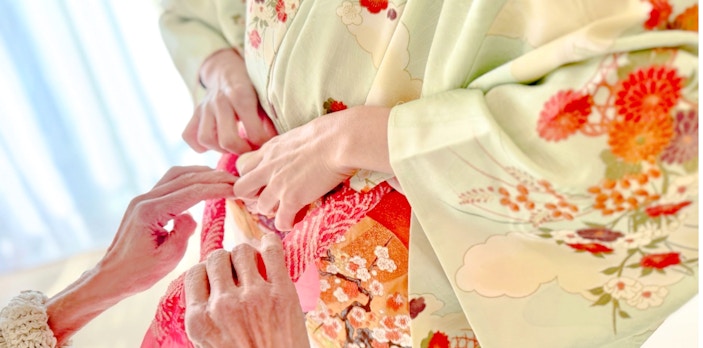
Hands tying an obi on a floral kimono during a rental experience in Tokyo.

Why do a Kyoto kimono rental?

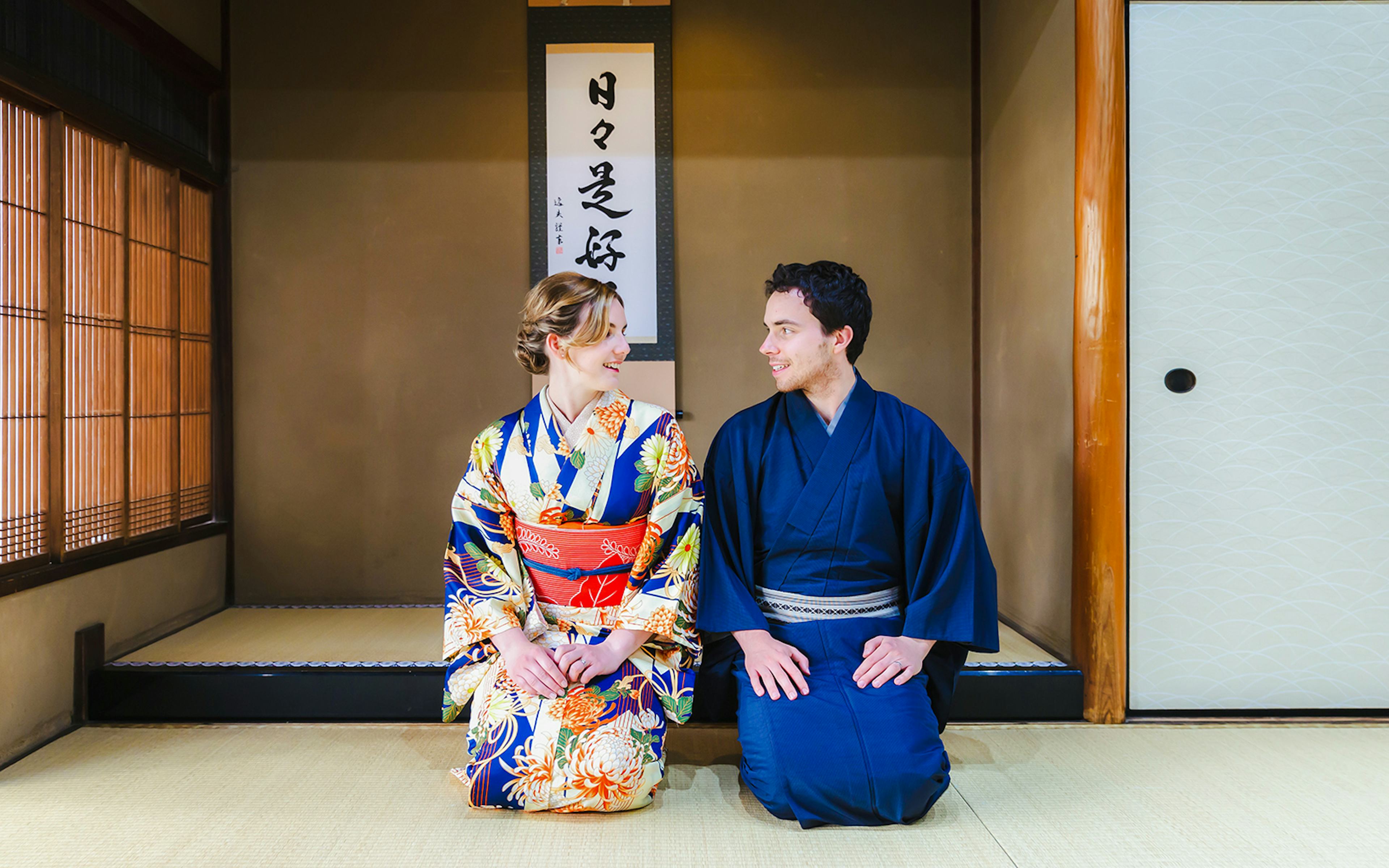
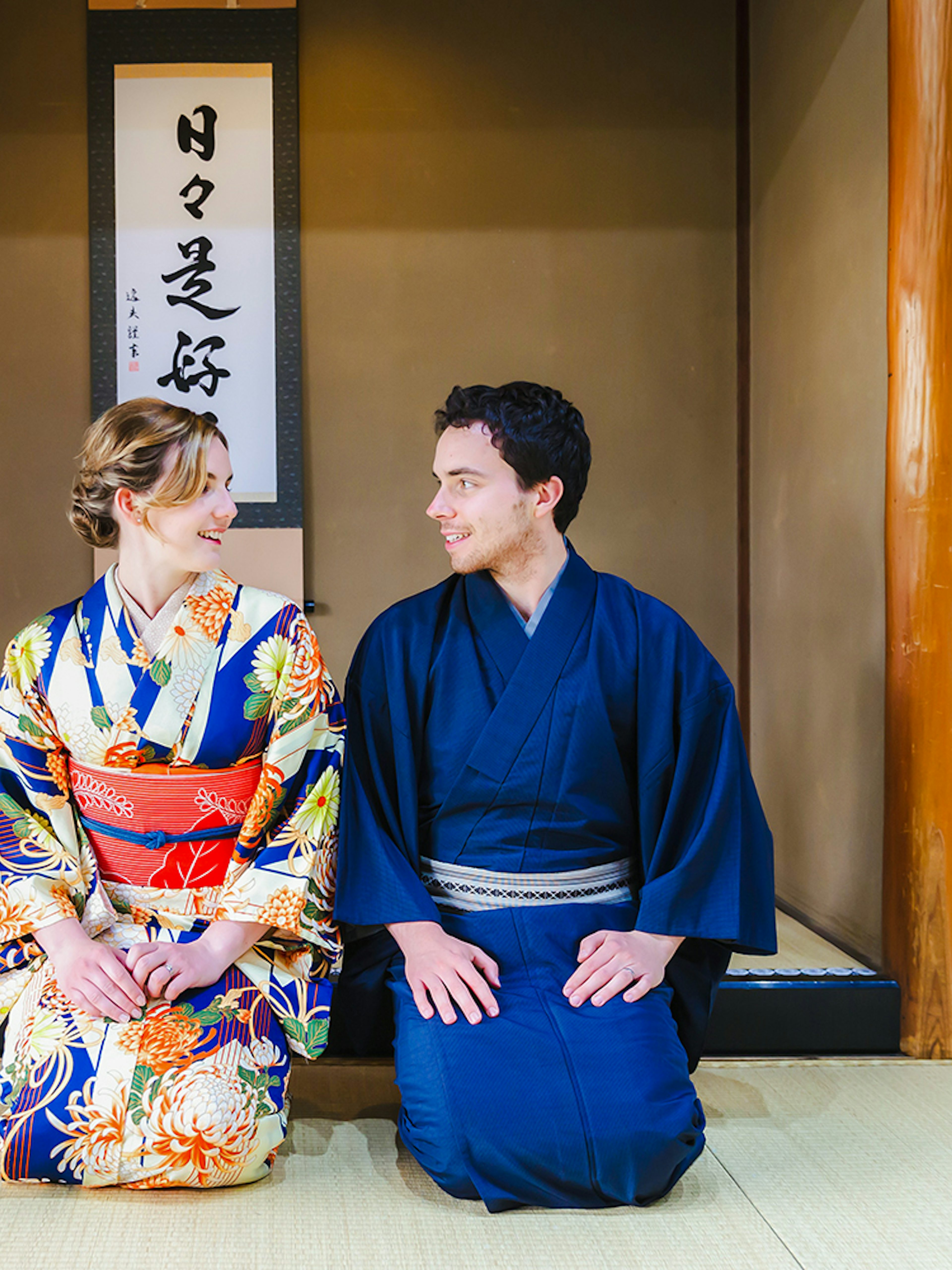
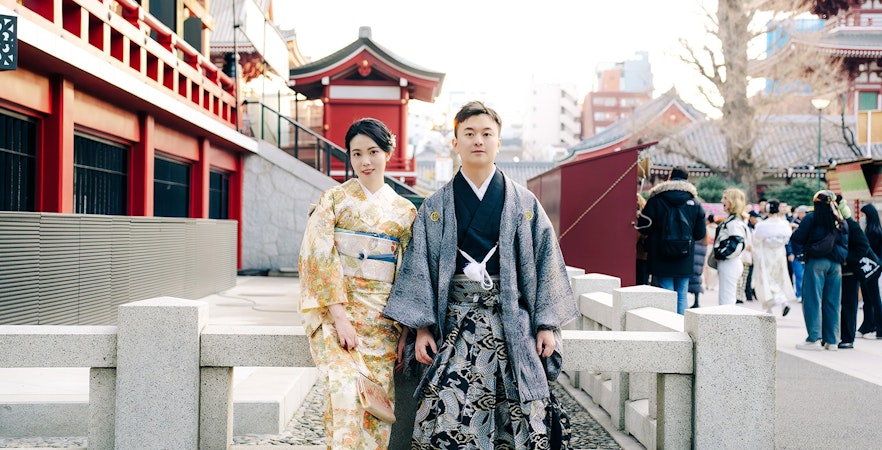
Couple in traditional kimonos at Kyoto Kimono Rental Yumeyakata.
1/6

Where tradition still lives

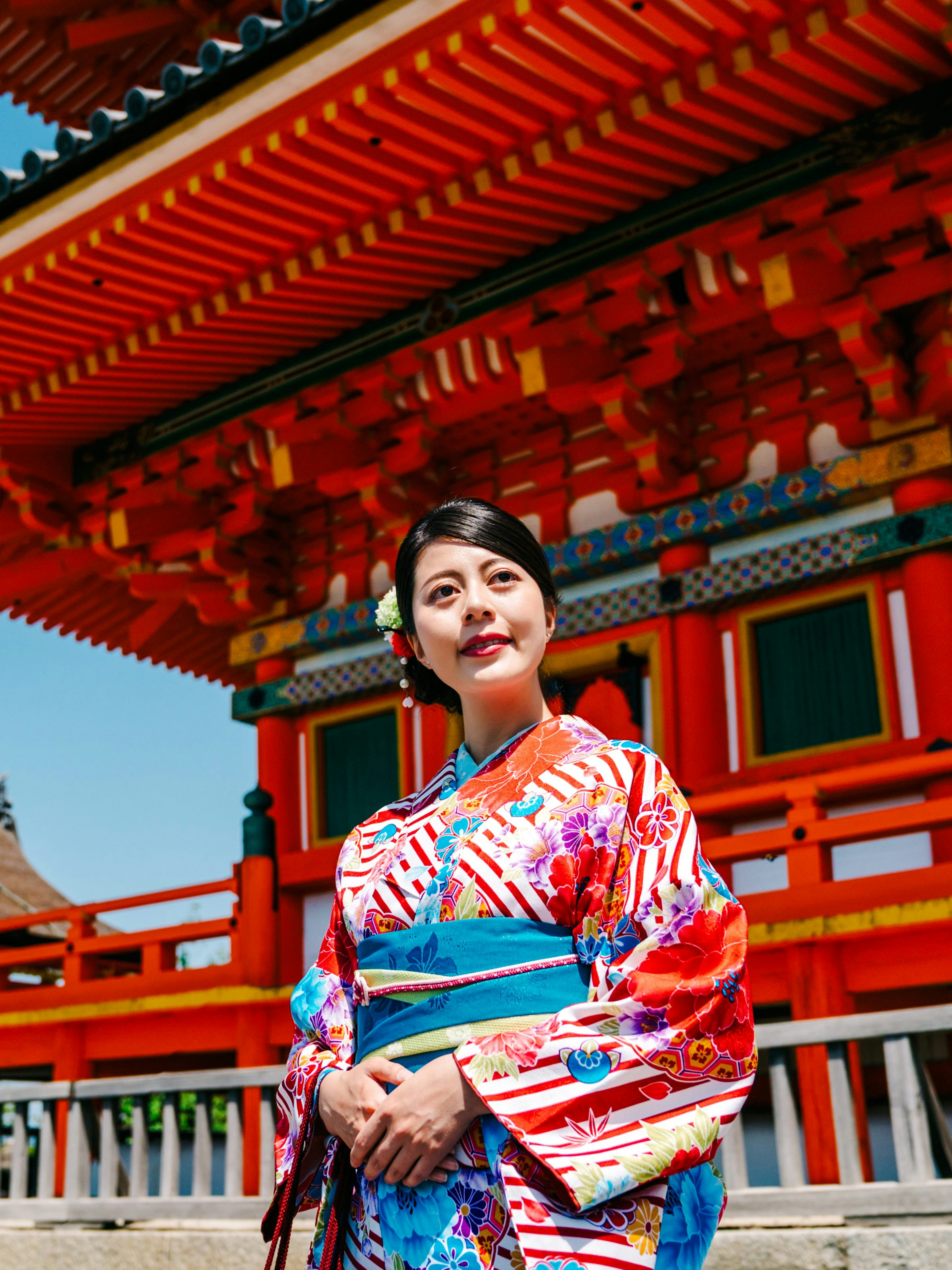
In Kyoto, wearing a kimono connects you to centuries-old customs shaped by temples, tea houses, and preserved districts that still follow historic rhythms.

You start in the old city

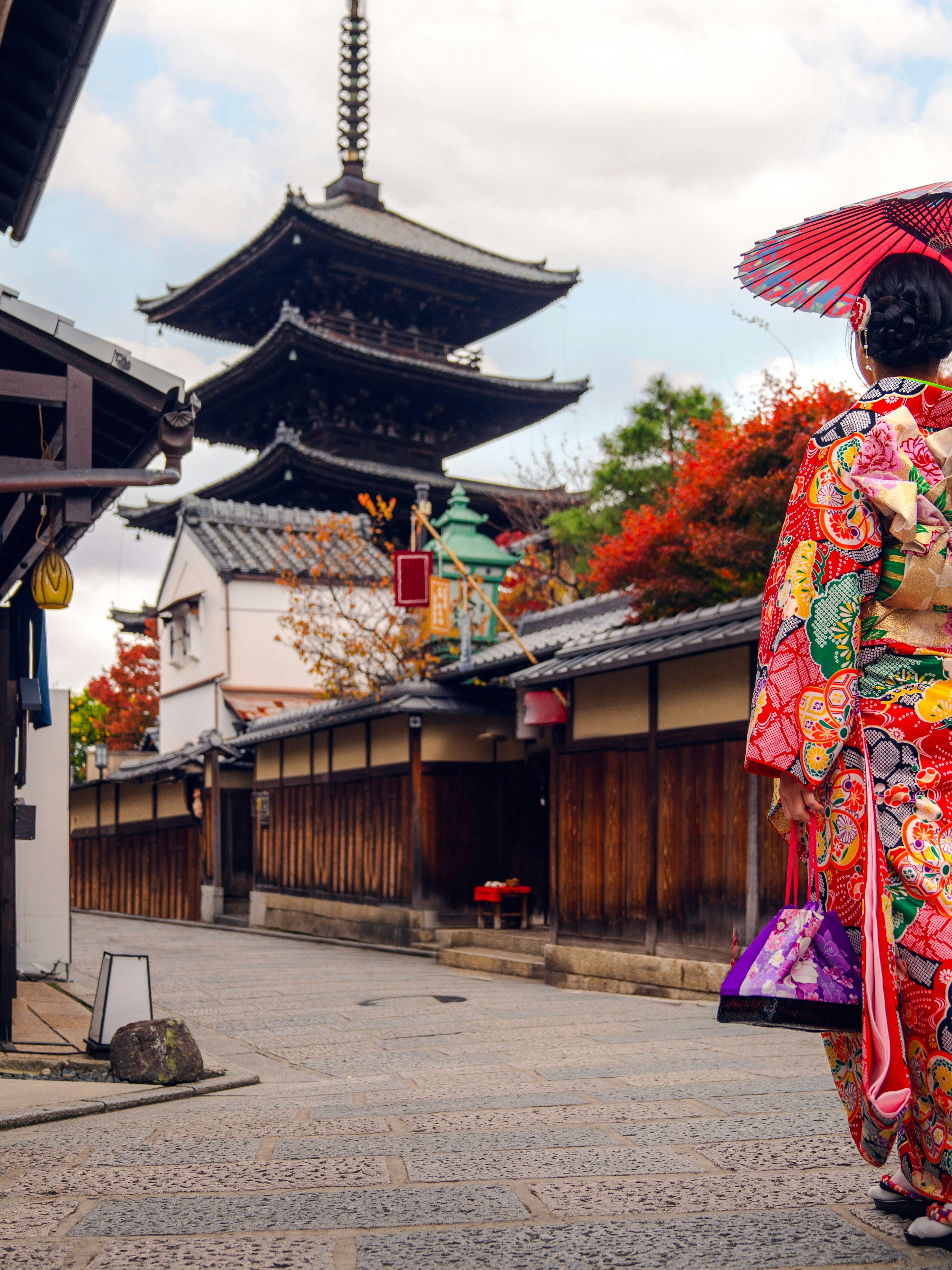
Step out from rental shops into Higashiyama lanes, Gion alleys, or Arashiyama paths, where wooden facades and stone streets frame your experience from the first step.

It unfolds at a slower pace

You walk, pause, and notice more, adjusting to the kimono’s rhythm as you move between shrines, teahouses, and quiet side streets.

The moments feel iconic

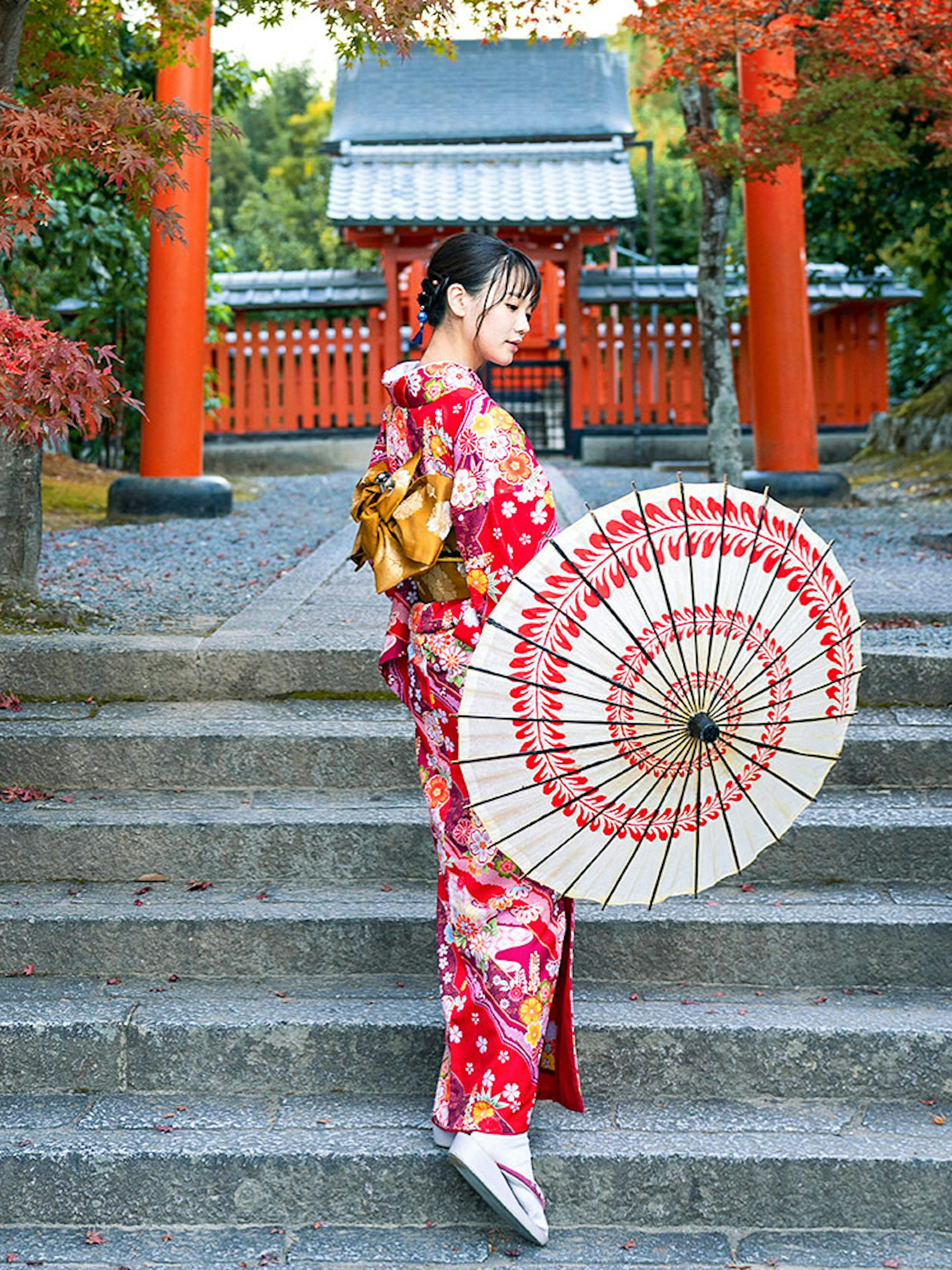
Pass temple gates near Kiyomizu-dera, stand among bamboo groves in Arashiyama, or wander through Gion’s historic streets.

You gain a different perspective

It’s not just visual, you experience Kyoto through how you dress, move, and engage with the space around you.

You choose the depth

Keep it simple with a rental, or upgrade to silk kimono, tea ceremonies, or machiya photoshoots depending on how immersive you want it to be.

Things to know before booking your Kyoto kimono rental

  • Book early during peak seasons: Kyoto kimono rentals near Kiyomizu-dera, Gion, and Arashiyama fill up quickly during cherry blossom (Mar–Apr) and autumn foliage (Nov). Reserve at least 1–2 weeks in advance for preferred time slots.
  • Understand the rental flow: Most experiences include dressing at the shop, after which you explore independently and return the kimono by closing time. Photoshoots (~30 mins) and tea ceremonies (~90 mins) are time-bound.
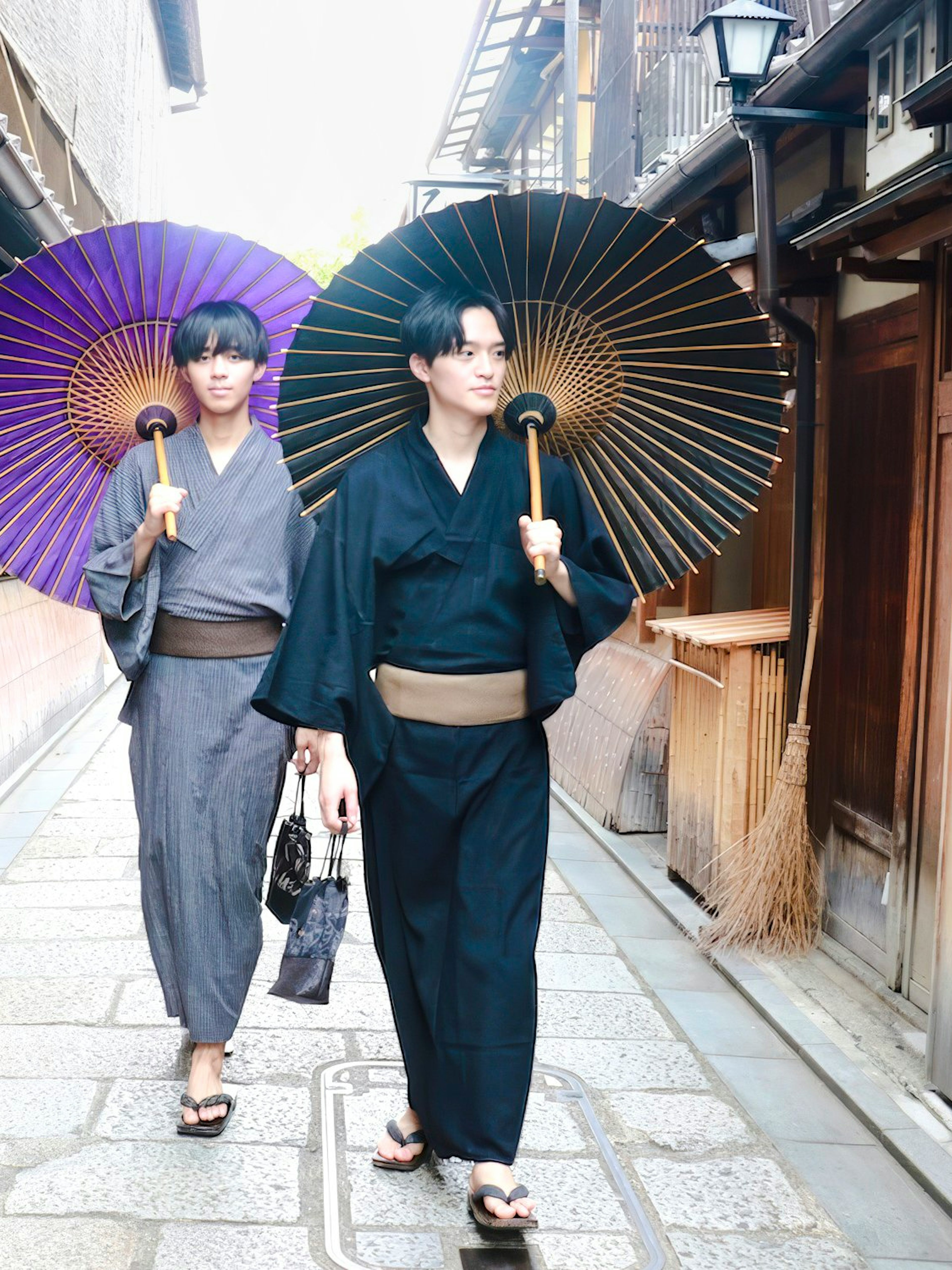
  • Choose the right style: Standard polyester kimono are budget-friendly, while silk and furisode options are more formal and photogenic. Yukata are lighter and best suited for warmer months (May–Sept).
  • Location impacts your experience: Pick rentals near where you plan to explore. Kiyomizu-dera and Gion suit traditional streets, Arashiyama is best for bamboo grove photos, and Kyoto Station works for convenience.
  • Hairstyling and upgrades: Basic rentals include dressing and accessories. Hairstyling, makeup, and premium kimono styles are usually optional upgrades that significantly enhance photos.
  • Comfort and mobility: Kimono and traditional footwear can restrict movement. Plan shorter walking routes, take breaks, and avoid steep areas during peak heat.
  • What’s included vs add-ons: Most rentals include accessories and storage for your clothes. Photoshoots and tea ceremonies are separate experiences, not included in standard rental options.

Which Kyoto kimono rental is best for you?

Ticket typeWhat’s includedWhy choose thisPrice from
Kimono rental with hairstyling (Kiyomizu-dera)

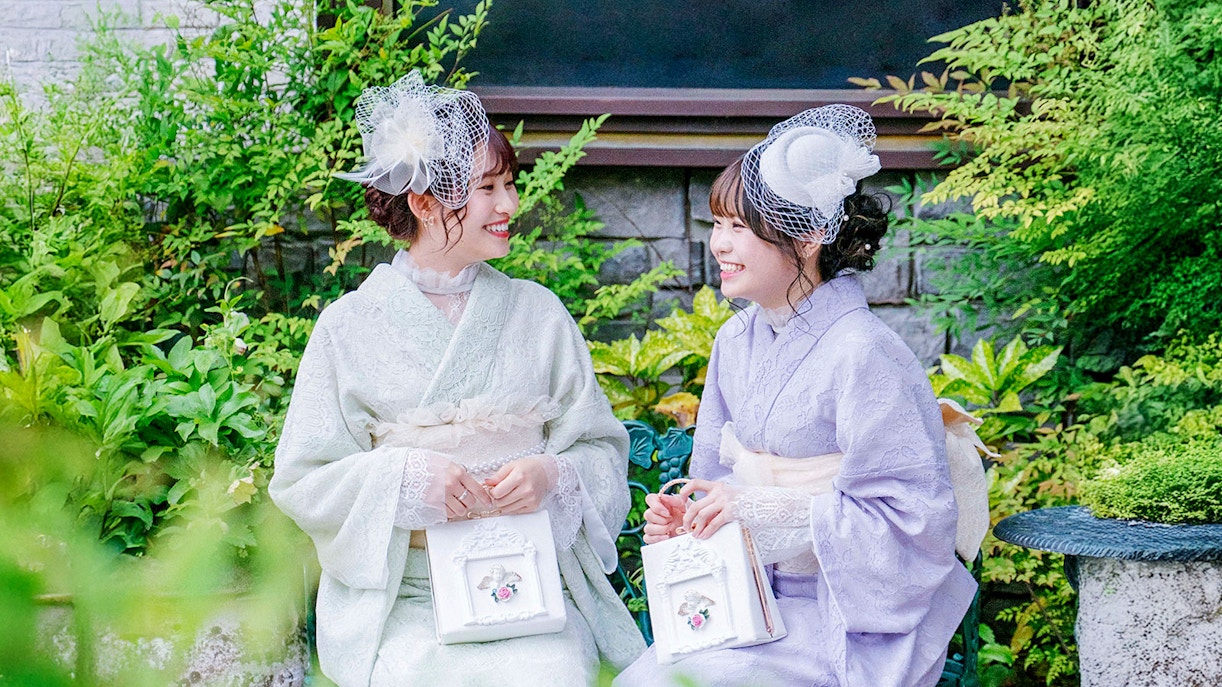
Hairstyling included, premium styles (lace, furisode, silk)

Best if your priority is styled photos with upgraded outfits

¥6,976

Kimono rental near Arashiyama

Bamboo grove access, kids plan, style variants

Only option tied to Arashiyama bamboo grove experience

¥4,950

Kimono & yukata rental near Kyoto Station

Damage protection, men’s options, yukata availability

Most convenient + lowest friction if you’re travelling via Kyoto Station

¥4,378

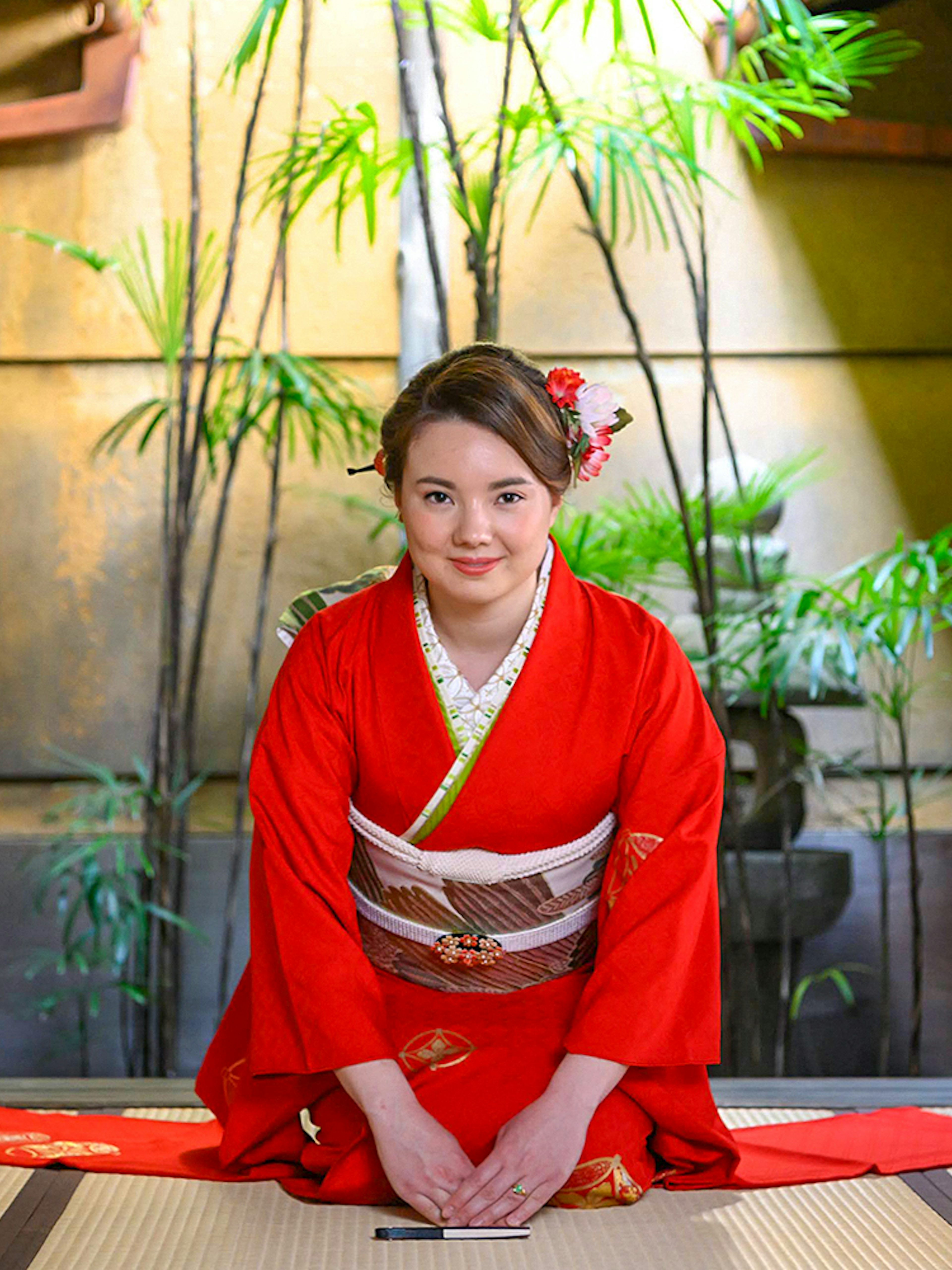
Kimono photoshoot (machiya)

30-min shoot, 50 edited photos, indoor setting

Guaranteed professional photos without navigating crowded streets

¥8,305

Kimono + tea ceremony (shared)

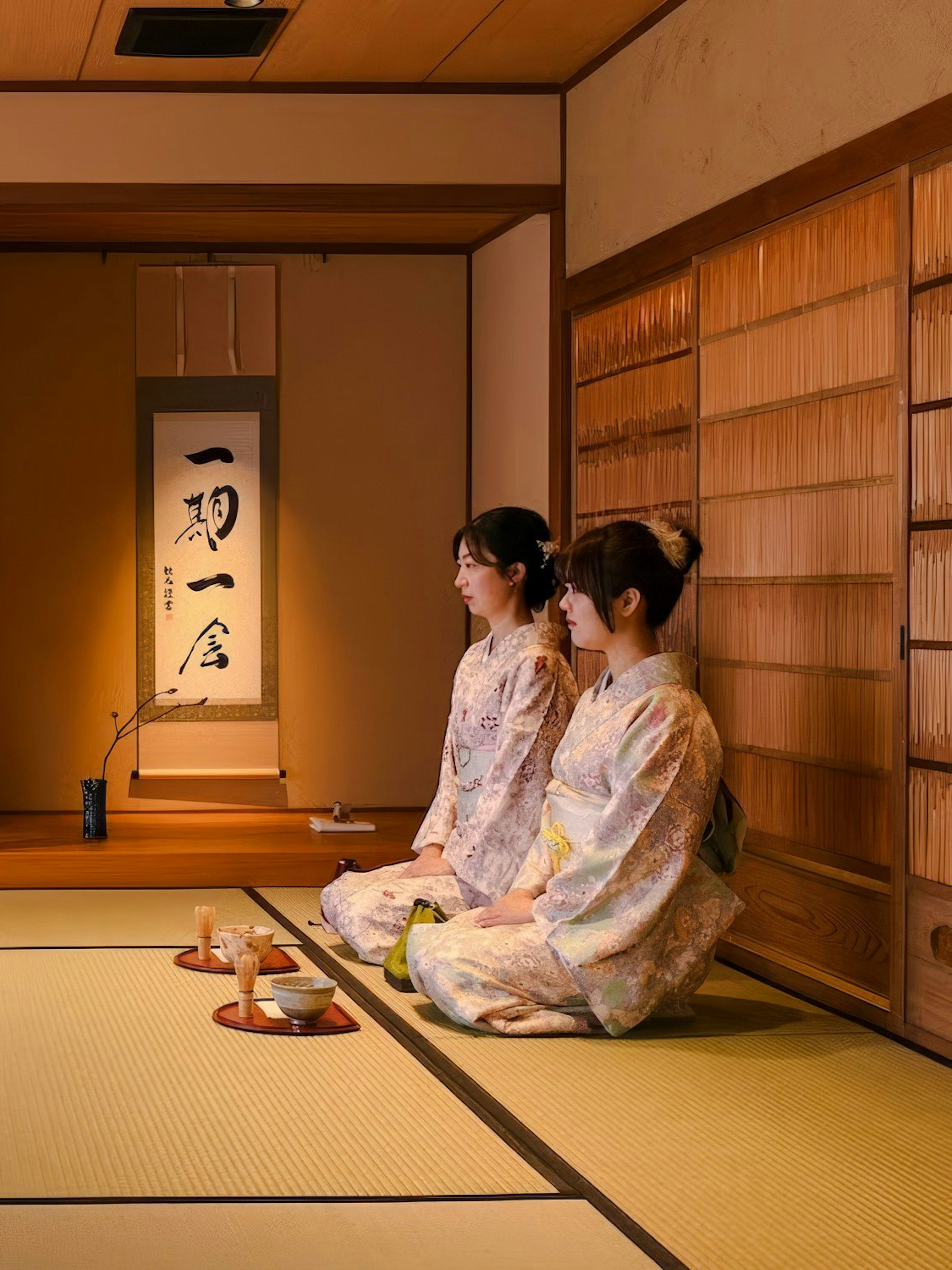
Silk kimono, tea ceremony in historic machiya

Adds cultural depth beyond rental with guided tea ritual

¥27,000

Private kimono + tea ceremony

Private session, premium tea room access

More control, quieter setting, and elevated experience

¥38,000

Highlights of your Kyoto kimono rental experience
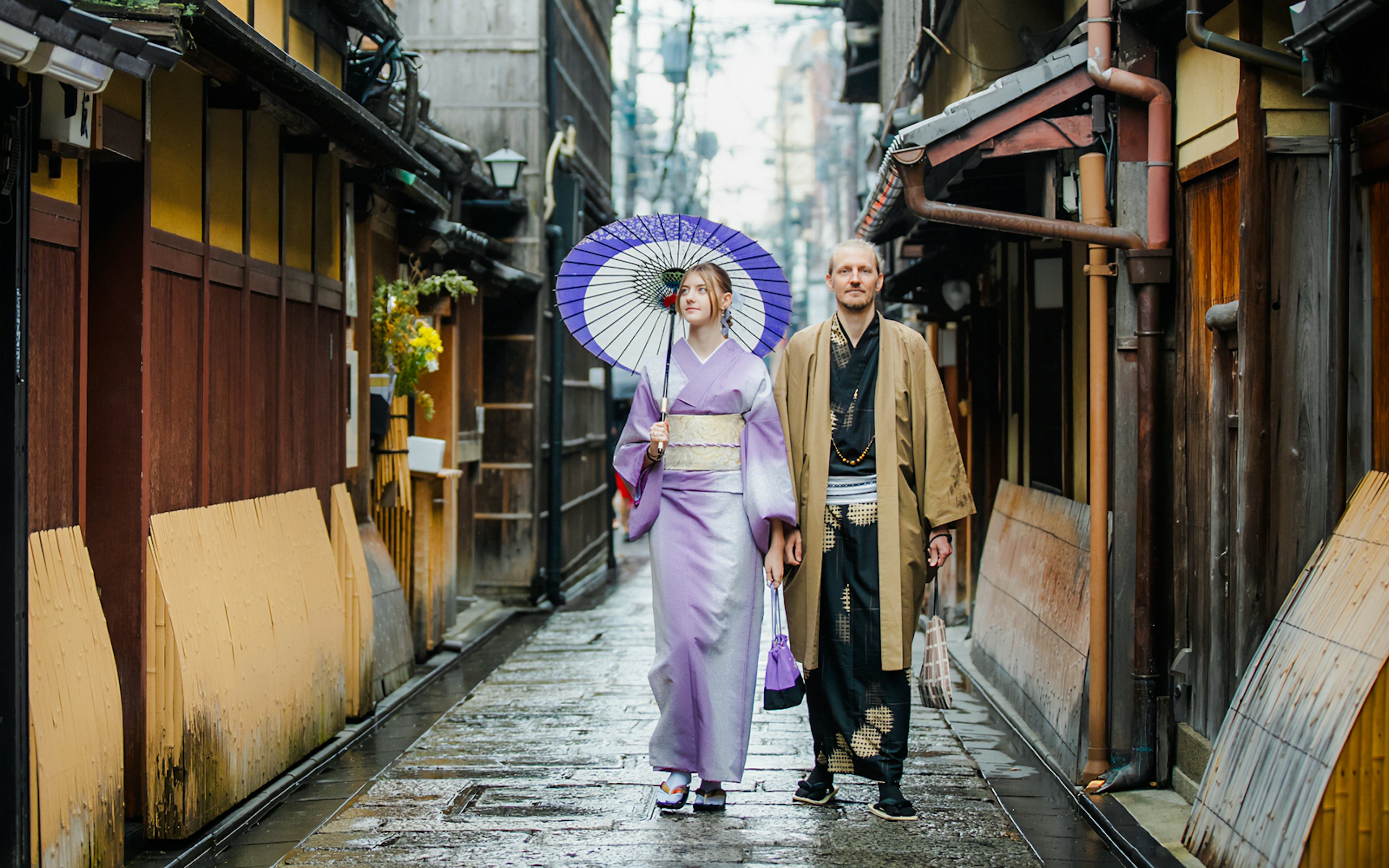
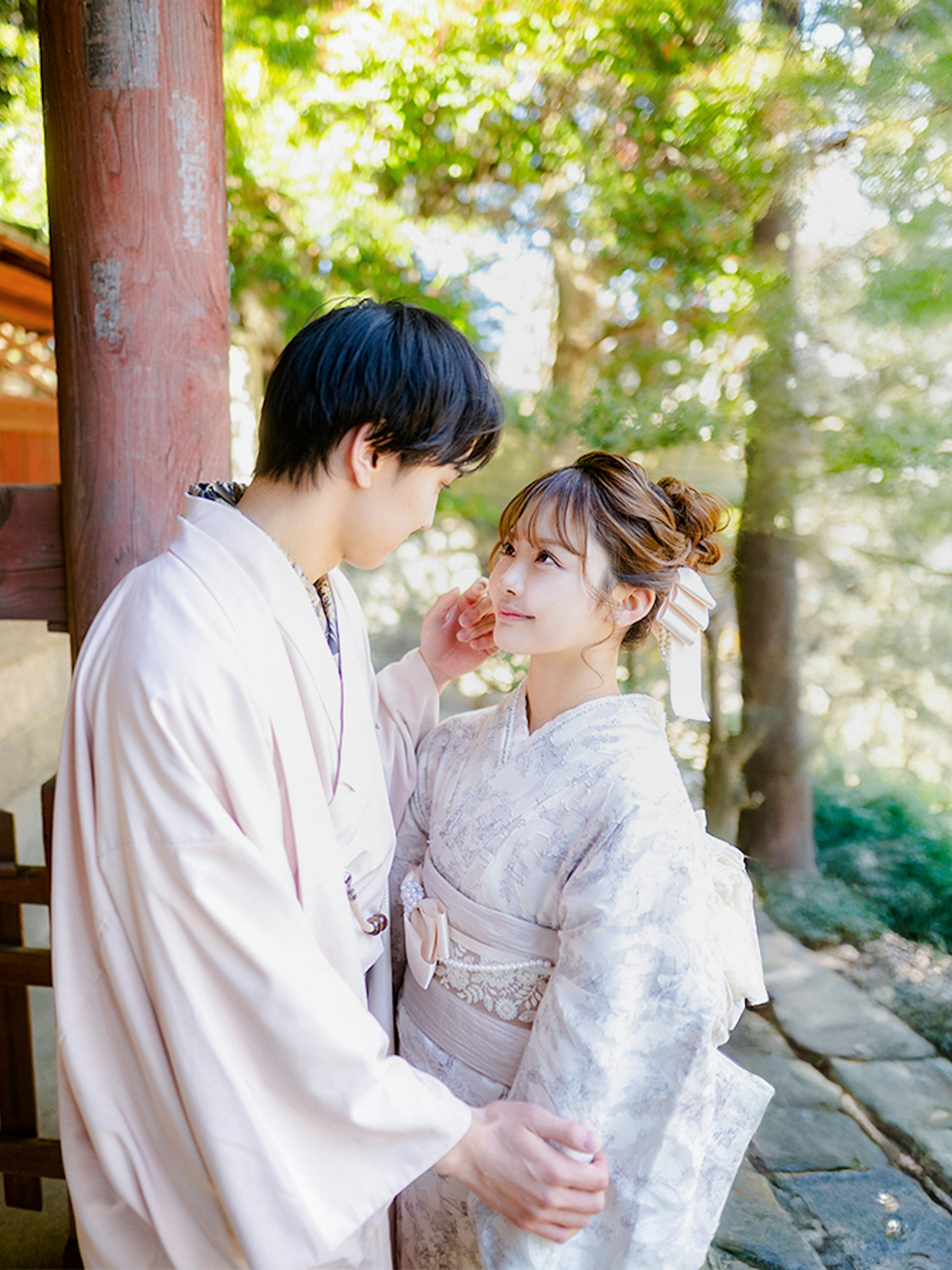
Couple in traditional kimono walking through historic Kyoto street.
1/6

Higashiyama streets in kimono

Walk through Kyoto’s best-preserved district near Kiyomizu-dera, where sloping stone lanes, wooden houses, and temple gates create a setting that feels unchanged for centuries.

Arashiyama bamboo grove

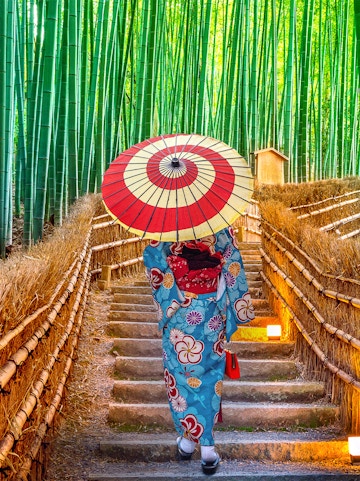
Step into towering bamboo pathways where filtered light and quiet surroundings create one of Kyoto’s most photographed backdrops for kimono strolls.

Gion’s historic lanes

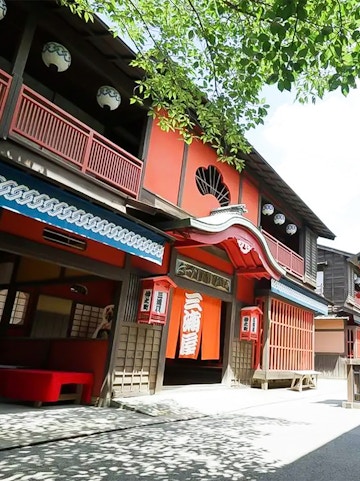
Wander narrow streets lined with traditional townhouses, where subtle details like lanterns and sliding doors frame your walk through Kyoto’s geisha district.

Machiya interiors (photoshoot & tea ceremony)

Enter traditional wooden townhouses with tatami rooms, soft lighting, and curated props that create a controlled, classic Kyoto setting.

Temple and shrine backdrops

Move between gates, courtyards, and quiet corners that naturally elevate photos without needing staged setups or long detours.

Seasonal Kyoto atmosphere

Experience cherry blossoms in spring or autumn foliage framing streets and temples, adding depth and color to the overall kimono experience.

Plan your Kyoto kimono rental experience

Tips & guidelines

  • Start early for the best photos: Head out before 10am to catch quieter streets in areas like Kiyomizu-dera and Gion. Crowds build quickly, especially during peak seasons.
  • Plan a compact route: Kimono and traditional footwear limit stride and speed. Focus on one area like Higashiyama or Arashiyama instead of covering multiple districts.
  • Use side streets, not just main paths: Step away from busy lanes like Ninenzaka to find quieter alleys with better photo opportunities and fewer interruptions.
  • Be mindful of cultural etiquette: Avoid blocking pathways for photos, keep voices low near temples, and follow signage in restricted areas, especially in Gion.
  • Carry only essentials: Most shops provide storage, so bring just your phone, some cash, and small items in the provided handbag.
  • Watch your steps on slopes: Areas like Kiyomizu-dera have uneven stone paths. Walk slowly in zori sandals, especially on inclines or during wet weather.
  • Time your return: Leave enough buffer to return your kimono before closing. Late returns may incur additional charges.

Frequently asked questions about Kyoto kimono rental

Most rentals include kimono or yukata, dressing, and basic accessories like obi, sandals, and a bag. Some options add hairstyling or makeup as upgrades.