

- Operating hours: Most geisha experiences take place in the afternoon and evening, with walking tours and dinner shows typically starting after sunset. Tea ceremonies and Maiko makeover sessions also run during daytime hours.
- Duration: Experiences usually last between 1 and 3 hours depending on the format, with walking tours being longer and tea ceremonies or photoshoots more structured.
- Best time to go: Evening is the most atmospheric time to explore Gion, when lanterns glow and Maiko are more likely to be seen heading to appointments.
- Best season to visit: Spring (March–April) and autumn (October–November) offer Kyoto’s most scenic backdrop, though these are also the busiest seasons for bookings.
Top things to do in Kyoto
How Headout makes choosing experiences effortless
We curate the best ways to experience
We research and organise all unique experiences - from tickets to tours to special combos - so you get all the choices without the clutter.
We partner with the best
Every supplier is vetted for quality, reliability, and value so you only get top rated experiences. No surprises, no disappointments.
All the best options, in one place
Each experience is thoughtfully organised to give you maximum availability, great value and an easy way to choose.
Book with complete peace of mind
Free cancellations, Flexible payments, and 24/7 support - thoughtfully designed for flexibility, assurance, and total peace of mind.
Slide 1 of 41/4


Quick overview
- Ways to experience: Choose between a Gion geisha walking tour, a real Maiko-hosted tea ceremony, a hands-on Maiko makeover, or a premium cultural dinner show.
- What’s common: Every experience introduces traditional Japanese arts, etiquette, and Maiko/Geisha culture through guided storytelling or live interaction.
- Inclusions vary: Walking tours focus on history and sightings, while tea ceremonies and dinner shows include performances, games, food, or direct interaction.
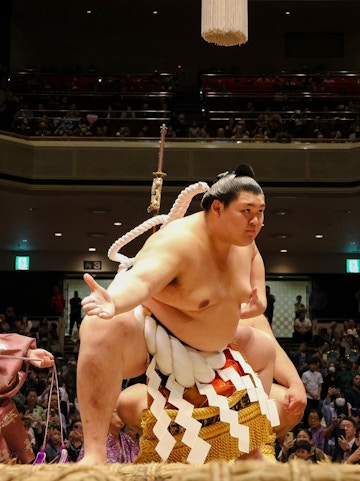
- Unique formats: The Maiko makeover lets you become a Maiko with professional photos, while the Tokyo sumo evening combines geisha dance, Wagyu dining, and live sumo.
- When to book: Evening tours and limited-capacity tea ceremonies sell out fastest during the cherry blossom and autumn foliage seasons.
- Good to know: Most Kyoto experiences require self-arrival in Gion or central Kyoto; hotel transfers are generally not included.
- Best upgrade: Upgrade to private or small-group formats for deeper interaction and a more intimate cultural experience.
Which Geisha experience ticket is best for you?
| Ticket type | What’s included | Why choose this | Price from |
|---|---|---|---|
Gion After-Dark Walking Tour | English, Spanish, or French-speaking guide · 3-hour evening walk through Gion · Geisha history and Maiko culture insights · Small-group or private options | Best for travelers who want authentic cultural storytelling and a chance to spot Maiko naturally in Kyoto’s lantern-lit streets | €100 |
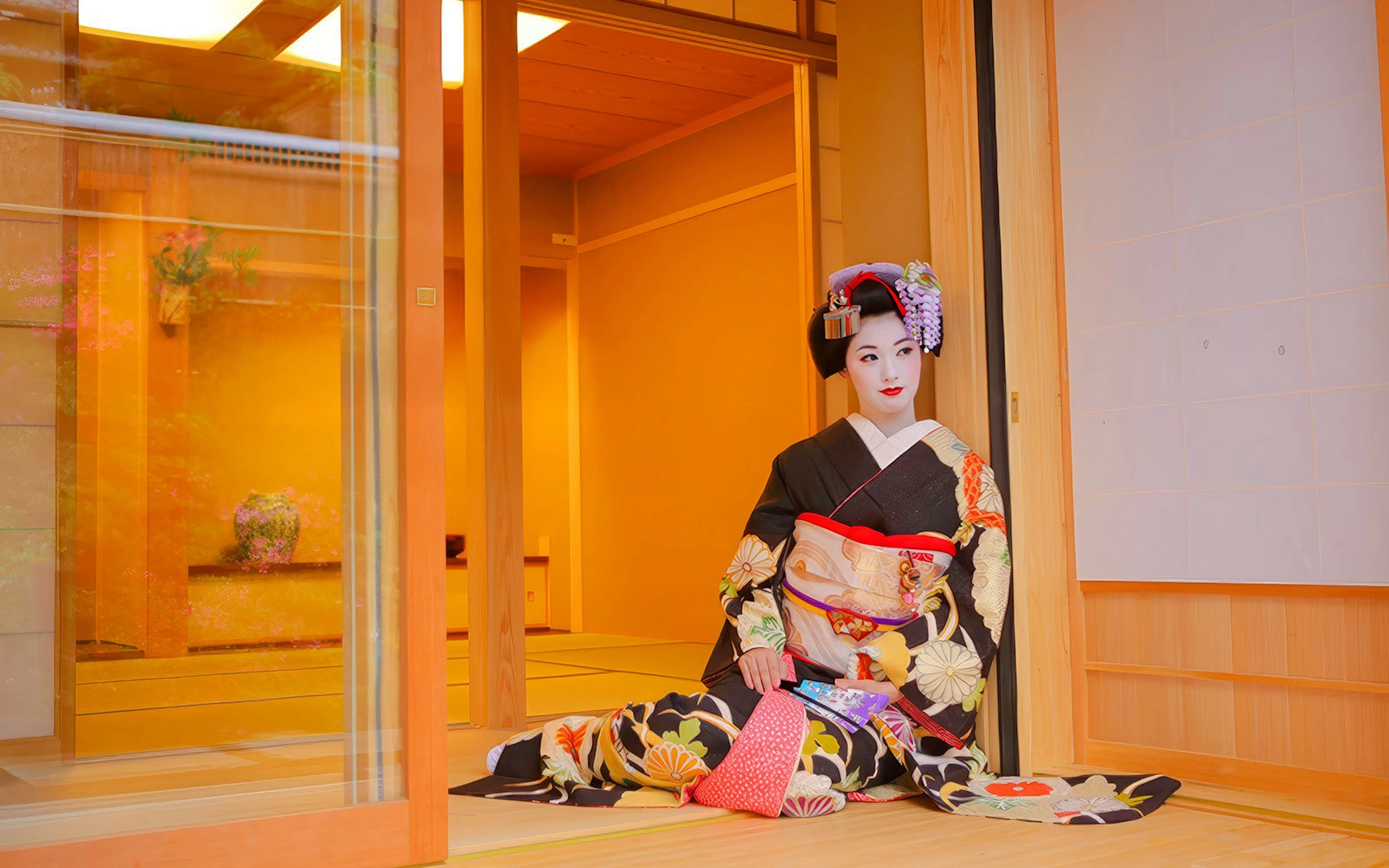
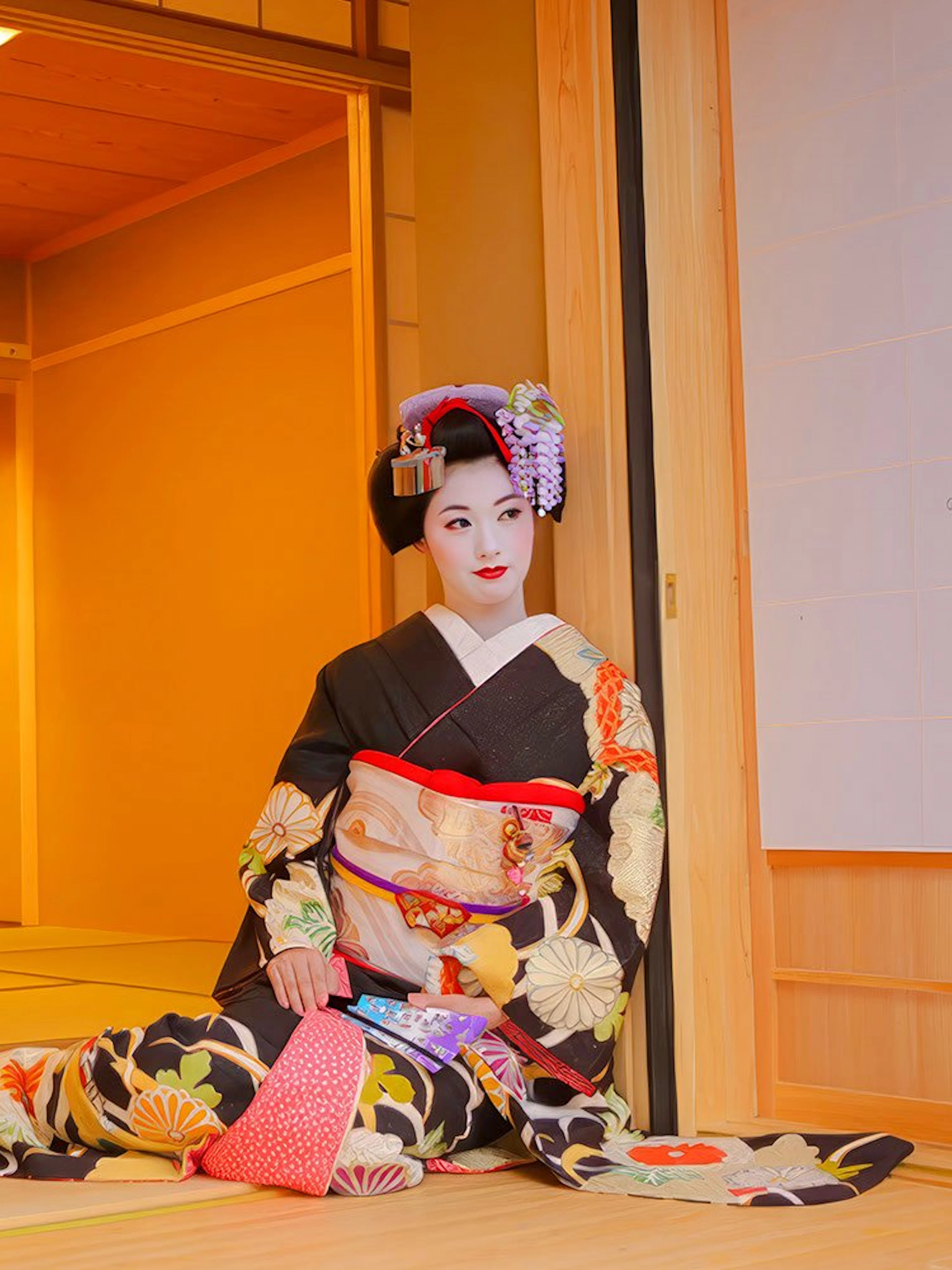
Maiko Transformation & Photoshoot | Full Maiko makeover · Choice of 100 kimonos · Professional studio photos · Optional wig, makeup, and hairstyling · All digital photos included | Most immersive hands-on experience if you want to dress as a Maiko and capture Kyoto-inspired portraits | €120 |
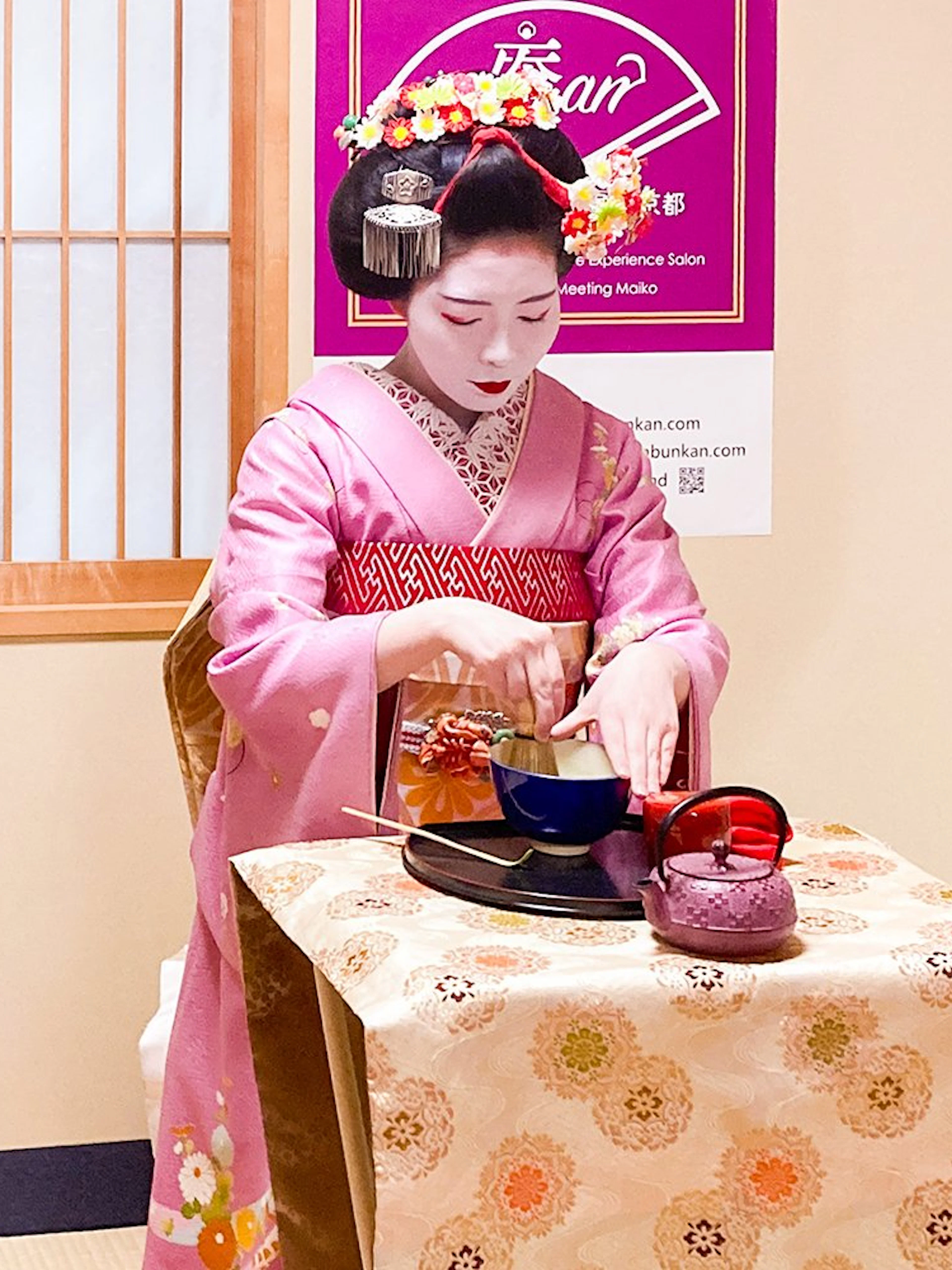
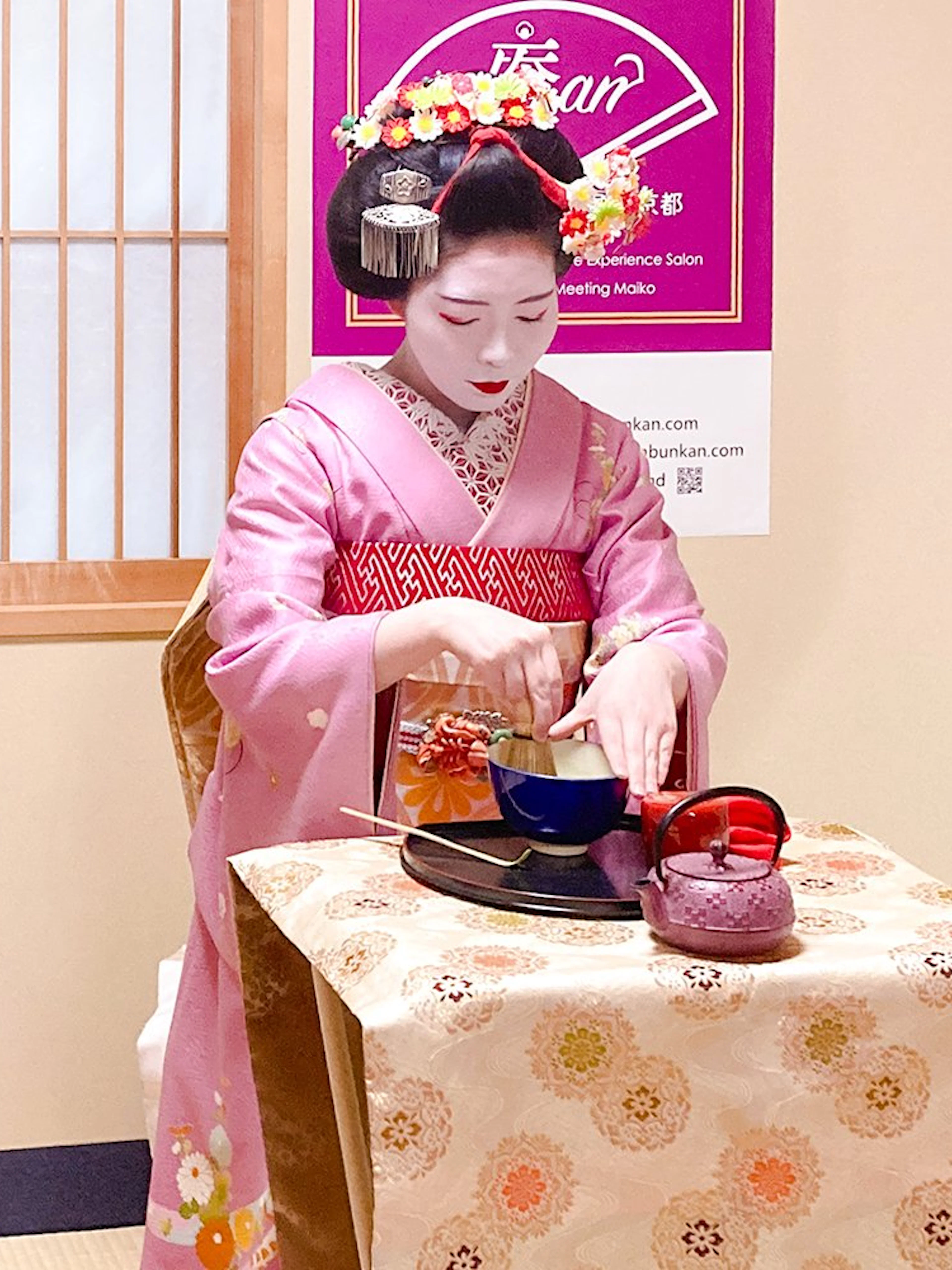
Hands-On Matcha Tea Ceremony with a Real Maiko | Tea ceremony hosted by a Maiko · Matcha-making session · Live dance performance · Japanese sweets · Q&A and souvenir | Best balance of interaction, cultural learning, and traditional Kyoto hospitality in a relaxed indoor setting | €150 |
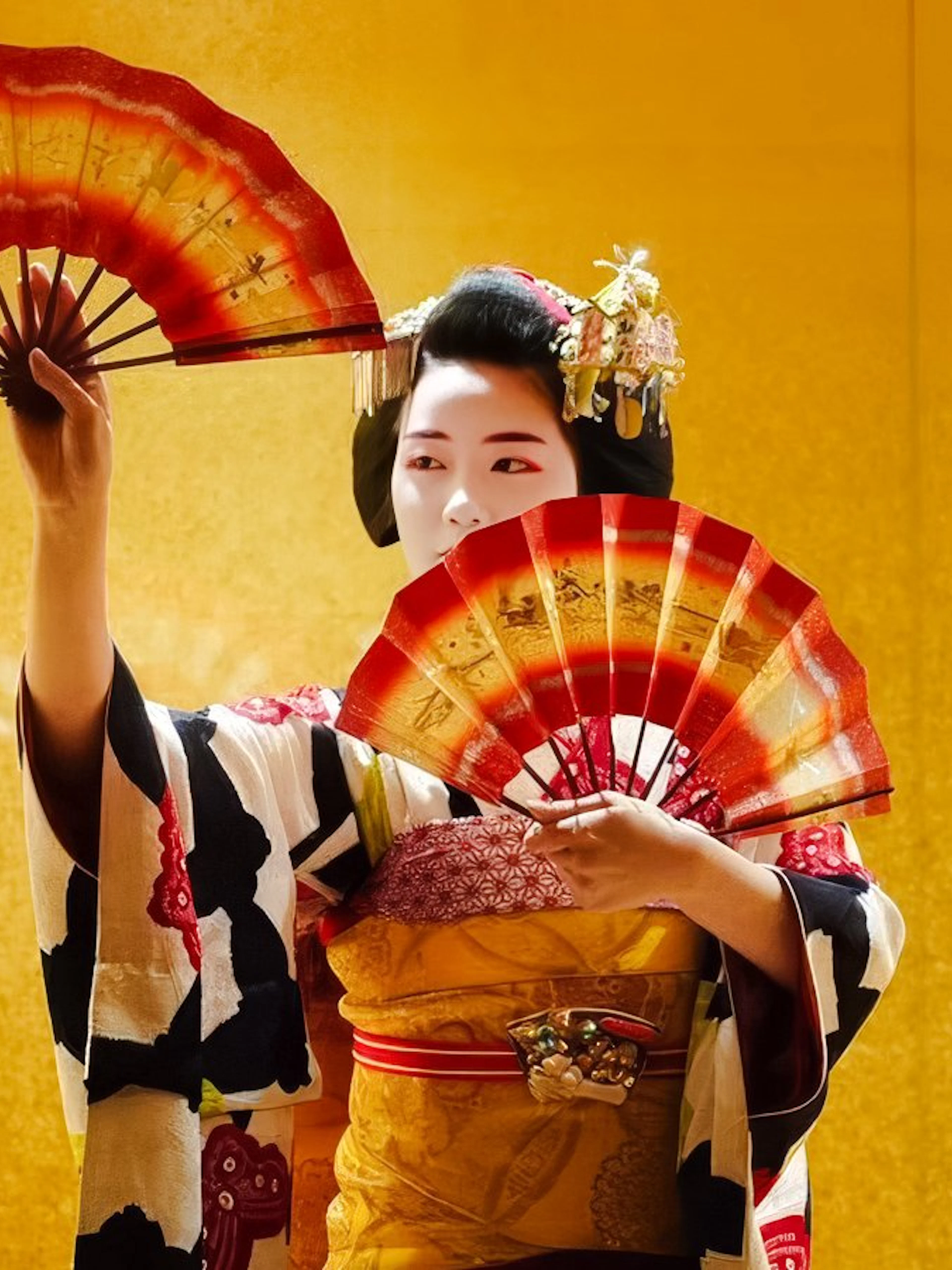
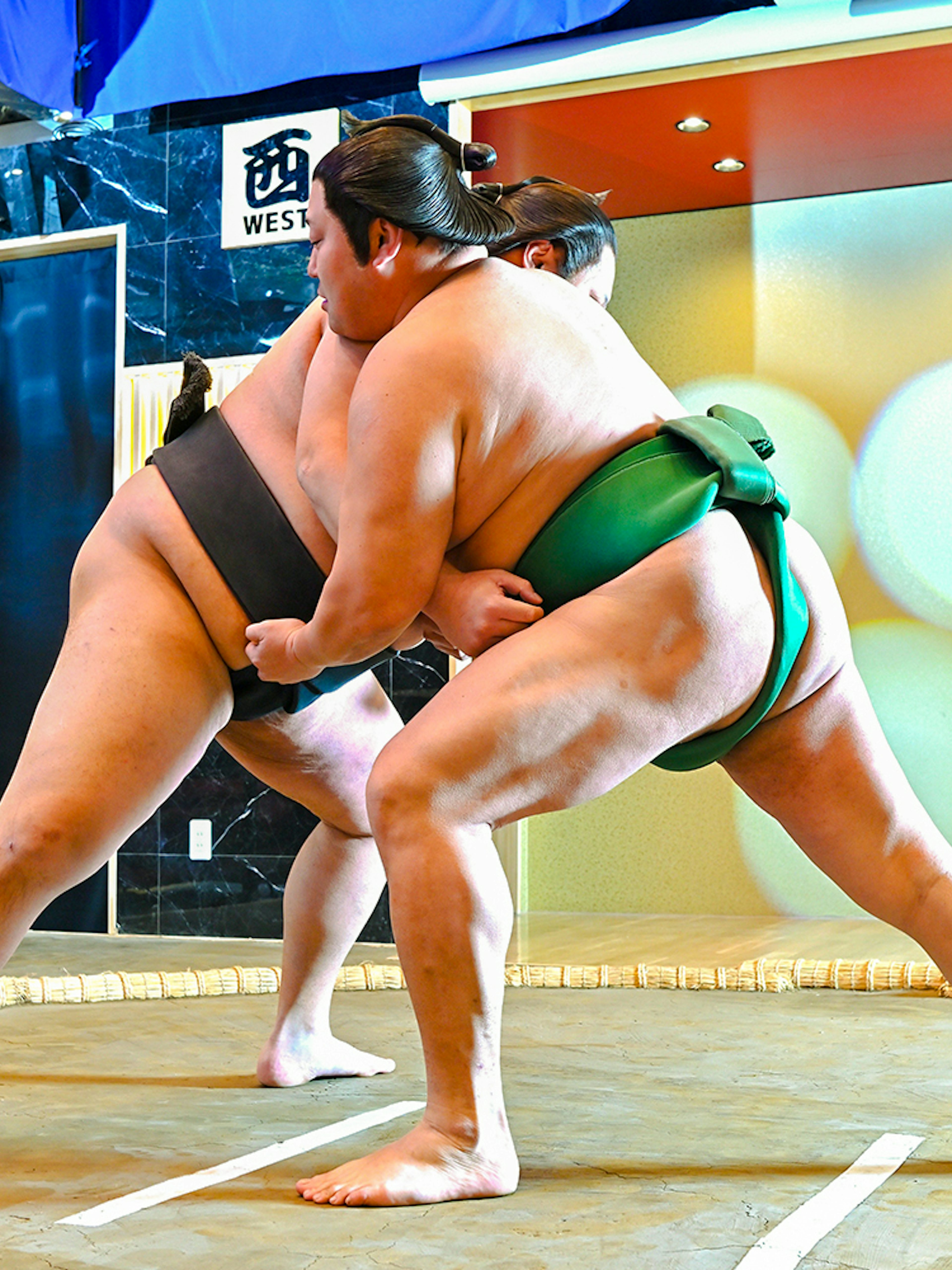
Premium Sumo Show with Wagyu Dinner & Geisha Dance | Live sumo matches · Geisha dance performance · Wagyu or chanko dinner · Unlimited drinks on upgraded seats · Souvenir set | Ideal if you want a full Japanese cultural night with dining, entertainment, and interactive performances in one experience |
Galleries at Geisha Experiences in Kyoto

Kyoto’s Geisha culture still lives where it began
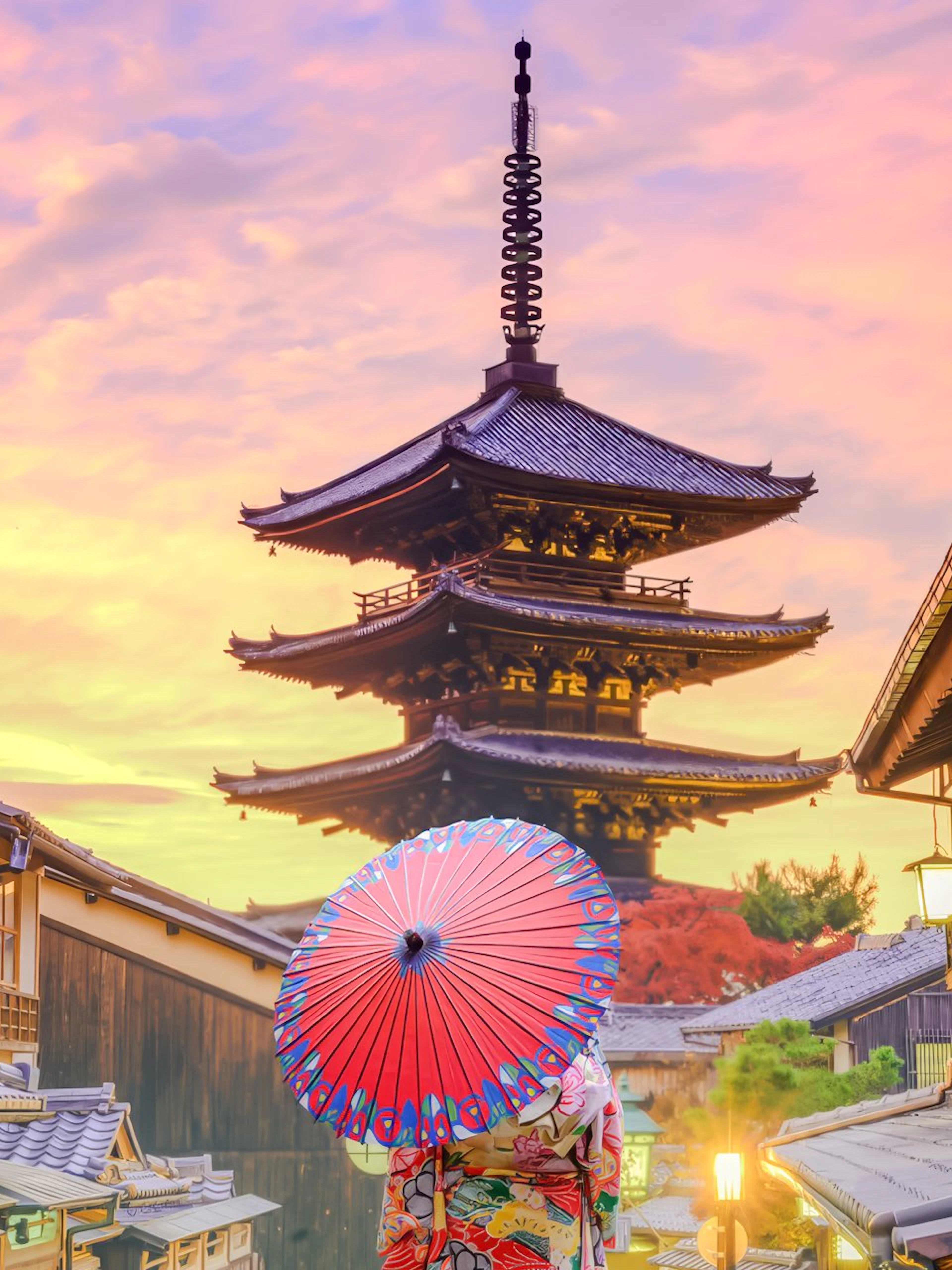
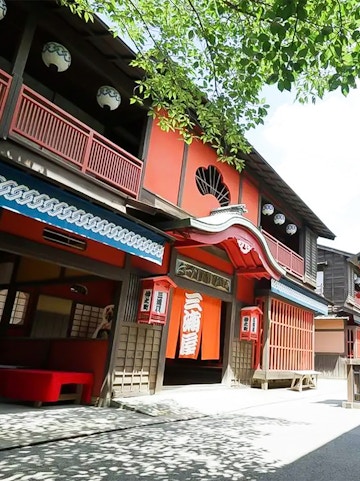
Experience Gion’s lantern-lit alleys, wooden teahouses, and hidden hanamachi districts where Maiko hurry between evening appointments in silk kimono and okobo sandals.
The experience begins in Kyoto’s most atmospheric neighborhoods
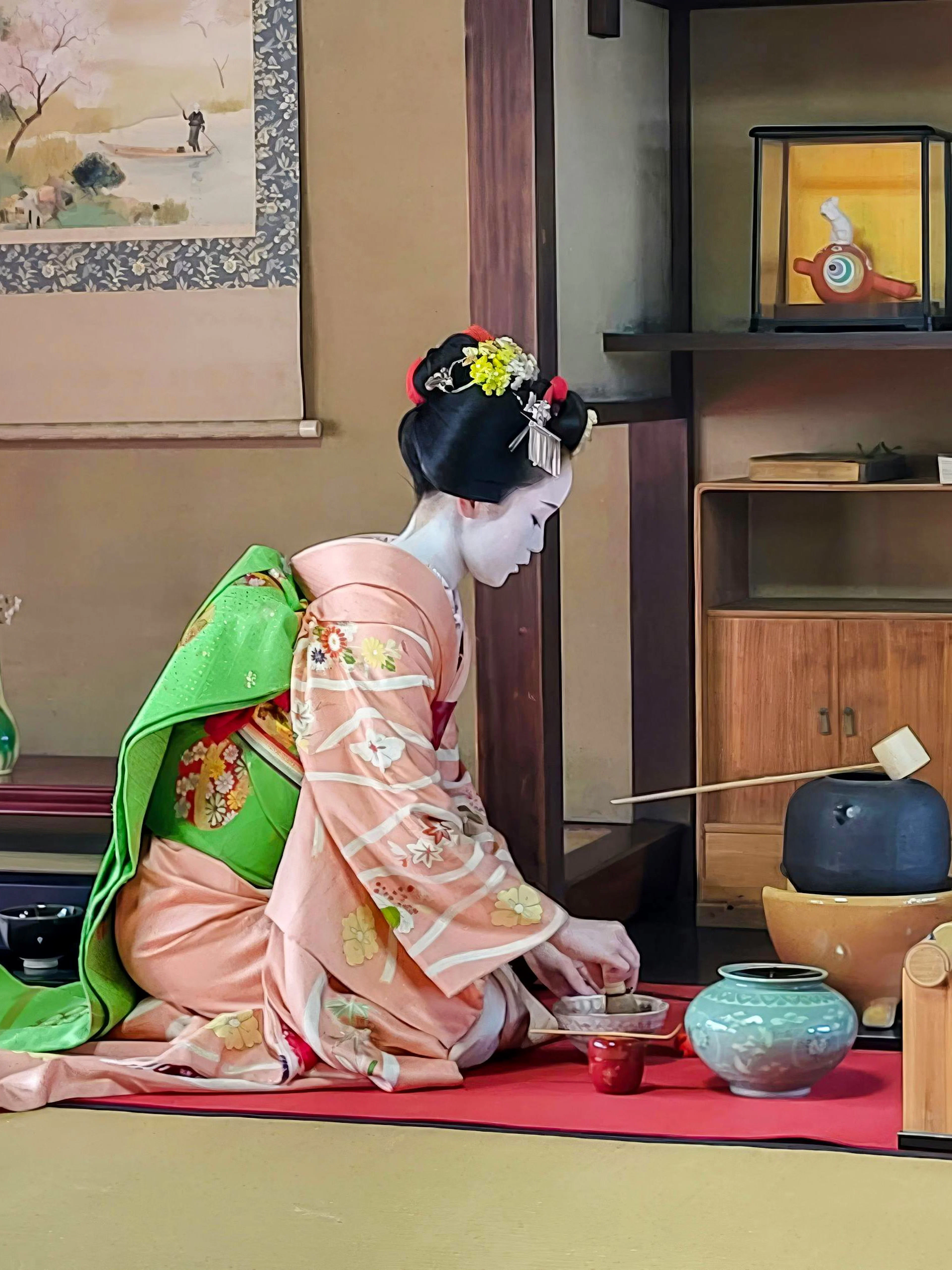
Twilight walks through Hanamikoji, quiet tea houses near Yasaka Shrine, or intimate tatami rooms where a Maiko welcomes guests with matcha and conversation.
The evening unfolds slowly and ceremonially
A guide decoding Gion’s traditions, the sound of shamisen music drifting through a performance, or the careful rhythm of whisking tea beside a real Maiko.
Kyoto’s most unforgettable moments happen after dark
Spotting a Maiko beneath glowing paper lanterns, watching a graceful dance performance up close, or sitting inches away during ozashiki games and cultural storytelling.
You leave understanding Kyoto beyond its temples
Experience Kyoto not just as a historic city, but as a place where centuries-old entertainment traditions, etiquette, artistry, and hospitality still shape everyday life.
Choose the experience that matches your trip
Walking tours reveal Gion’s hidden culture, tea ceremonies create direct interaction, Maiko makeovers focus on transformation and photography, while premium dinner shows combine Wagyu dining, geisha dance, and live sumo entertainment.
Things to know before booking your Kyoto geisha experience
- Walking tours vs performances: The Gion geisha walking tour focuses on Kyoto’s history and real-life Geisha culture, but sightings are never guaranteed. For guaranteed interaction, choose tea ceremonies or dinner experiences.
- Tea ceremony experiences: The Kyoto maiko tea ceremony includes direct interaction with a real Maiko, making it one of the most accessible and authentic introductions to Geisha culture.
- Transformation experiences: Maiko makeover sessions are photography-focused experiences where you become the Maiko yourself. These do not include meeting a working Geisha or Maiko unless specifically stated.
- Premium dinner formats: The Tokyo cultural evening combines several Japanese traditions into one event, including live sumo, Wagyu dining, and geisha dance performances. Seating category greatly affects inclusions and meal quality.
- Language options: Walking tours are available in English, Spanish, and French, while most tea ceremonies and shows provide English explanations or translated commentary.
- Booking windows: Evening experiences, especially during sakura season and autumn foliage months, often sell out 2–4 weeks in advance due to limited seating.
- Kyoto geisha etiquette: Avoid intrusive street photography, blocking alleys, or approaching Maiko in public. Structured experiences provide respectful opportunities for photos and interaction.
Highlights of your geisha experiences in kyoto carousel

Lantern-lit gion alleys
From the narrow alleys dusted with warm lantern glow, the twilight reveals a tapestry of ancient wooden machiya. Soft light caresses every curve, inviting intimate glimpses of geiko silhouettes and evoking a timeless sense of tradition with each measured step.


Plan your Geisha Experiences in Kyoto
- Location: Most experiences take place in Kyoto’s historic Gion district, near Hanamikoji Street, Yasaka Shrine, and traditional teahouse neighborhoods. The Tokyo sumo and geisha evening takes place in Asakusa.
- Meeting style: Walking tours usually begin at a fixed meeting point in Gion, while tea ceremonies, makeover studios, and dinner shows have direct venue check-ins.
- Getting there: Guests generally arrange their own transport. Most venues are easily accessible by Kyoto City Bus, Keihan Line, or short taxi rides from Kyoto Station.
- Travel tip: Gion’s streets can become crowded in the evening, so arriving 10–15 minutes early is recommended for a smoother start.
- Physical effort: Walking tours involve moderate walking on narrow stone-paved streets, while tea ceremonies, photoshoots, and dinner experiences are low-effort indoor activities.
- Language support: Many experiences include English-speaking guides or translated commentary, while select walking tours are also available in Spanish and French.
- Photography rules: Photo opportunities are often included during tea ceremonies and makeover sessions, but street photography of Maiko in Gion should always remain respectful and non-intrusive.
- Accessibility & participation: Some traditional venues may have tatami seating, stairs, or limited wheelchair access. Maiko makeover experiences may have age or costume-size restrictions depending on the provider.
- Restrooms & waiting areas: Restrooms are available at most indoor venues, with seating areas provided before tea ceremonies, dinner shows, and makeover sessions.
- Food & beverage: Tea ceremony experiences include matcha and Japanese sweets, while premium dinner shows may include Wagyu sukiyaki, tempura, desserts, and drinks depending on your seating category.
- Photo opportunities: Professional photography is included with Maiko transformation experiences, while tea ceremonies and cultural dinners may allow designated photo sessions with performers.
- Souvenirs & keepsakes: Some experiences include traditional souvenirs such as Senjafuda name stickers, printed photos, yukata sets, or small cultural gifts.
- What to wear: Smart casual clothing works well for walking tours, tea ceremonies, and cultural dinners. Avoid overly revealing outfits when visiting traditional venues.
- Footwear: Comfortable walking shoes are recommended for Gion tours, as many streets are uneven and stone-paved. Shoes may need to be removed inside certain traditional venues.
- Weather considerations: Kyoto evenings can become chilly during spring and autumn, so carrying a light jacket is recommended for night tours. Summers can be hot and humid, especially during walking experiences.
- What to bring: Carry a small bag with essentials like water, a phone or camera, and portable chargers. Large luggage or bulky backpacks are best avoided in narrow Gion streets and intimate venues.
Tips and guidelines
- Wear neat, well-fitted clothing as geisha experiences in Kyoto are formal; avoid sportswear and ensure comfortable layers in cooler evenings.
- Comfortable footwear is essential for navigating narrow, uneven Gion streets; flats or cushioned shoes will reduce fatigue during extended walking tours.
- Adhere to local photography guidelines by avoiding flash and intrusive shots; maintain respectful distance when capturing geisha performances and street encounters.
- Carry a compact umbrella or light raincoat during Kyoto’s spring cherry blossom season, as unpredictable showers may briefly disrupt outdoor segments of your tour.
- If tatami seating poses difficulty, inquire about alternative seating options in advance to ensure a comfortable and respectful experience throughout the evening.
Frequently asked questions about Kyoto geisha experience tickets
It typically includes guided commentary, seating at a traditional show or dinner, and sometimes photo opportunities with a real maiko or geiko. Some experiences offer English explanations and may include a small meal or tea ceremony.
Experiences vary; theater shows are usually 45–70 minutes while dinner or tea sessions can last 2–3 hours. Walking tours may run about 1.5–3 hours, so check your ticket details for the exact duration.
Not all do. Some tickets offer a dress-up or photo session without a working maiko. Look for terms such as “maiko performance” or “geiko dinner” to ensure you’ll interact with a genuine geisha.
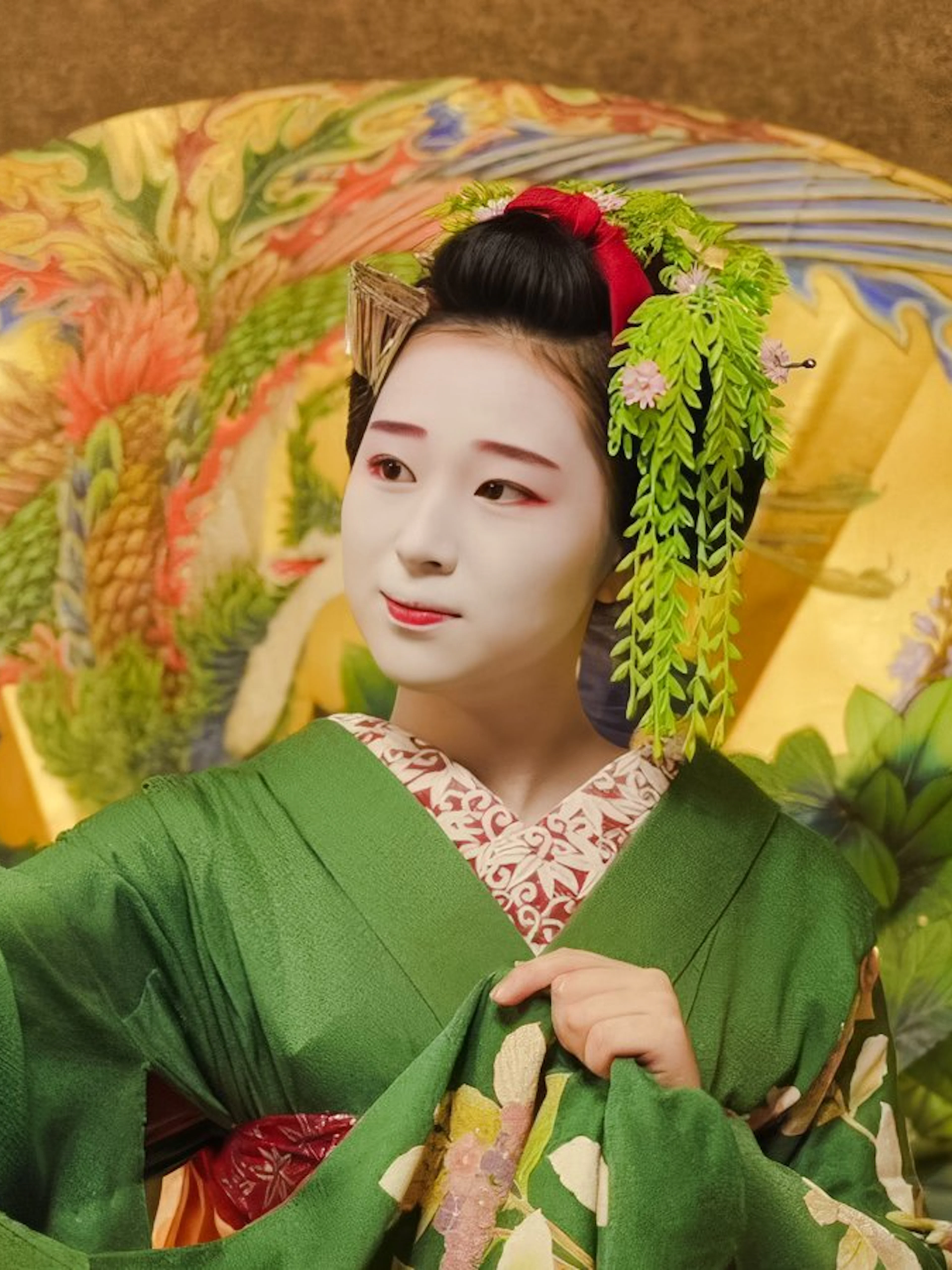
A Maiko is an apprentice Geisha, recognized by elaborate hairstyles and colorful kimono. Geisha, called Geiko in Kyoto, are fully trained entertainers skilled in music, dance, and traditional hospitality.
Availability can be limited during peak seasons. While some shows or walking tours may offer same-day slots, dinner experiences typically require booking weeks in advance, especially during spring or autumn.
Yes, but rules apply. Most venues allow still photos at designated times, while flash photography and videos are usually prohibited during performances. Follow staff instructions to ensure respectful use of your camera.
Smart casual attire is generally recommended. Some experiences may suggest modest clothing, and while kimono rentals are available, avoid sporty or beachwear. It’s best to dress neatly and respectfully in traditional settings.
Arriving 15–20 minutes before the scheduled start is advised. This allows time for ticket verification, finding your seat, and navigating the narrow streets of Gion, where venues are often tucked away in traditional alleys.
Accessibility varies by venue. Modern theaters and some restaurants may offer step-free access and seating alternatives such as chairs, while traditional tea houses with tatami seating might be challenging. It’s best to contact the operator if you require specific accommodations.
Many experiences welcome children, especially shorter shows and walking tours. However, some traditional dinner settings or private engagements have age restrictions. Review the booking details or ask the operator if you plan to bring young children.
While most cultural shows and dinner experiences don’t have long external queues, reserved seating is common. Checking in is usually quick, but arriving early is recommended due to narrow meeting points in Gion.
Venues are often in central Gion. You can use city buses, the Keihan subway to Gion-Shijo station, or taxis from Kyoto Station. For travelers arriving from Osaka or Tokyo, trains are reliable followed by a short local ride or walk.
Remain quiet during performances, avoid intrusive photos or close-ups, and follow any guidelines shared by your guide. Respect the privacy of the performers and refrain from disruptive behavior—you’re there to appreciate traditional arts in a controlled, respectful setting.