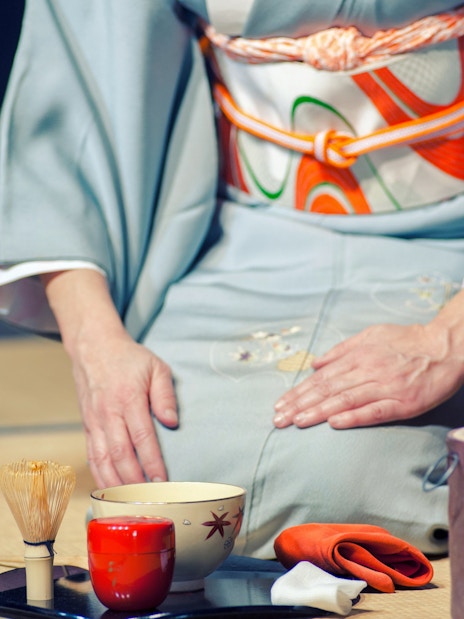
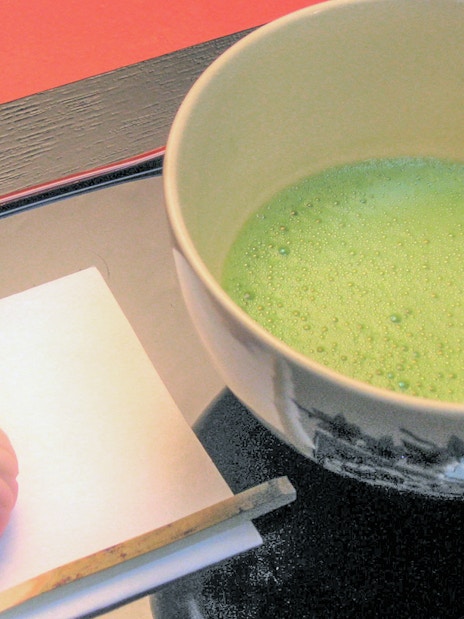
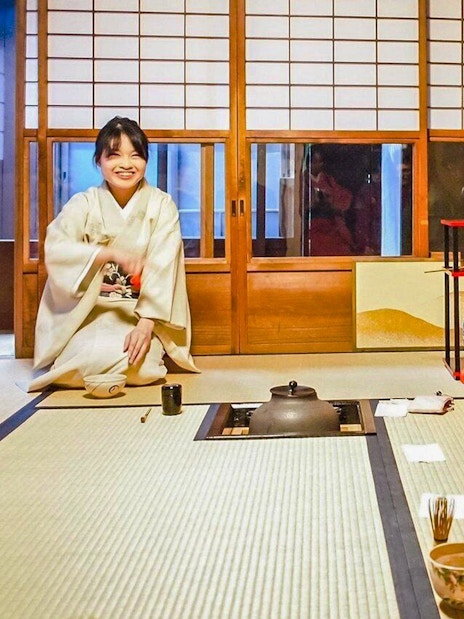
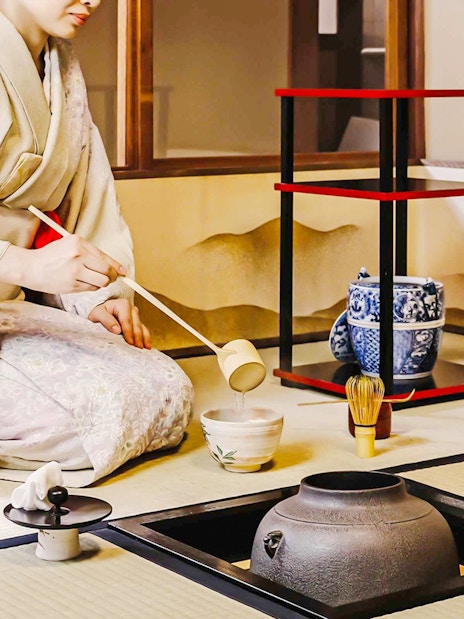
What to expect at a Kyoto tea ceremony




1/6
| Ticket type | What’s included | Why choose this | Duration | Group format | Price from |
|---|---|---|---|---|---|
| Tea Ceremony (Kinkaku-ji area) | Matcha serving, seasonal wagashi, tea master guidance | Core ritual at the lowest entry price, quick cultural intro with minimal extras | ~45–60 minutes | Shared | ¥3,500 |
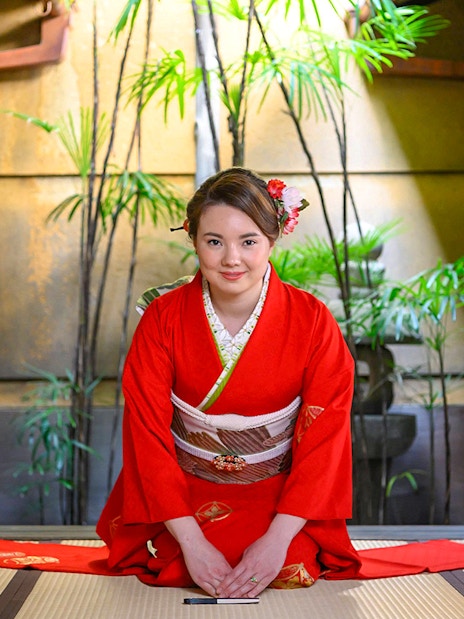
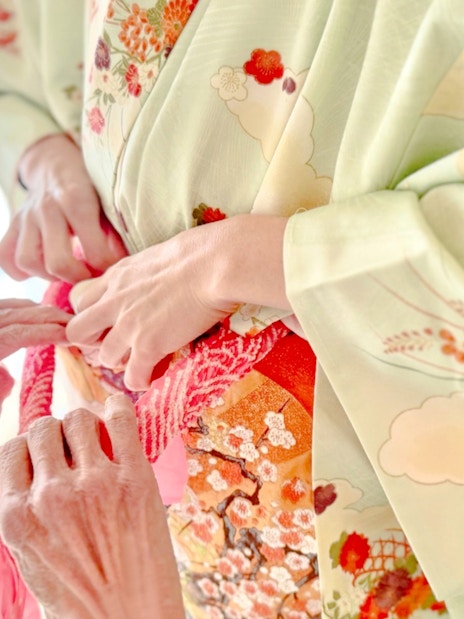
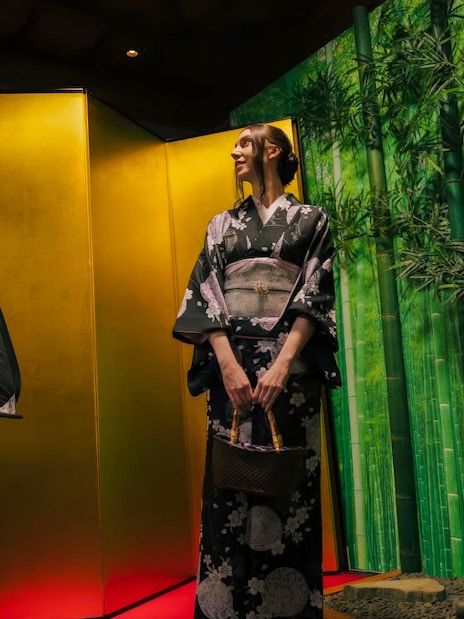
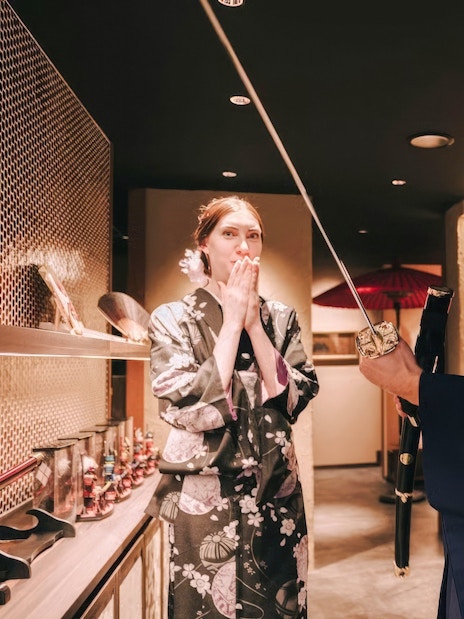
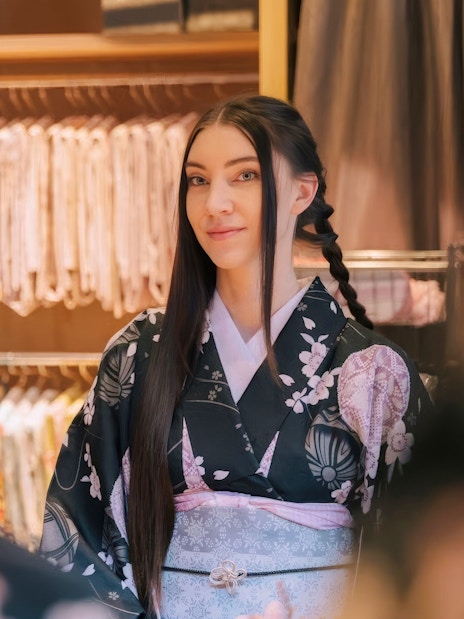
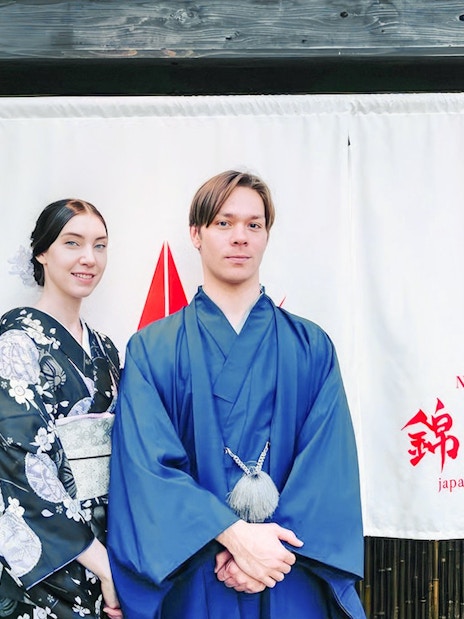
| Kimono Rental & Tea Ceremony | Kimono dressing (regular or premium silk) + tea ceremony | Best value for photos and cultural immersion; extra time for dressing | ~90–120 minutes | Shared / small groups | ¥4,000 |
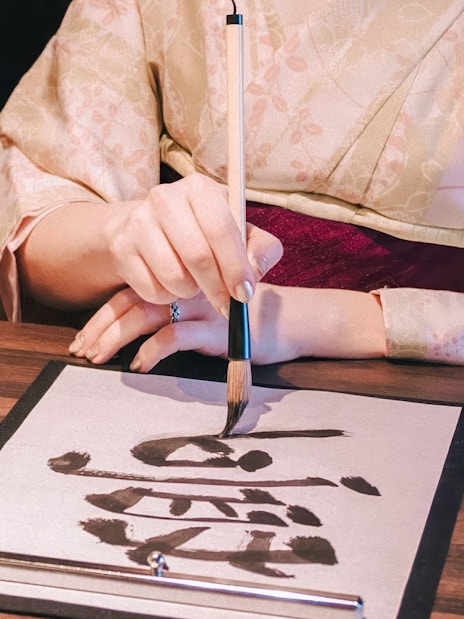
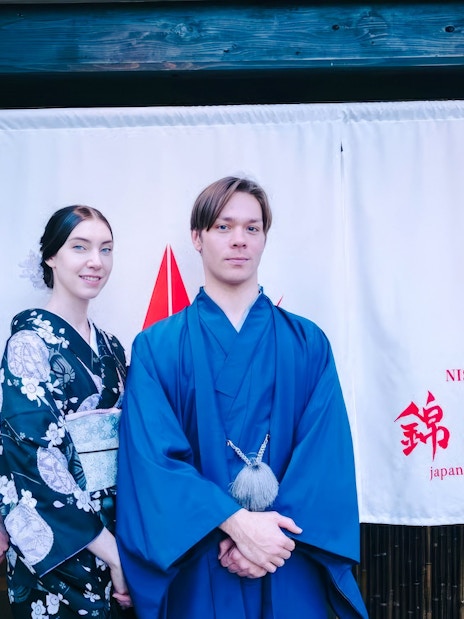
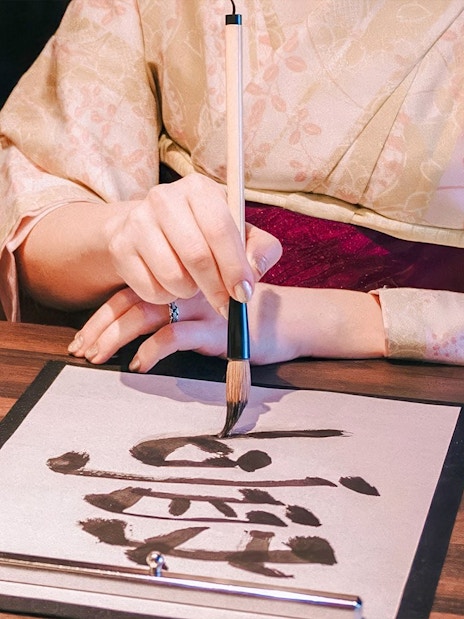
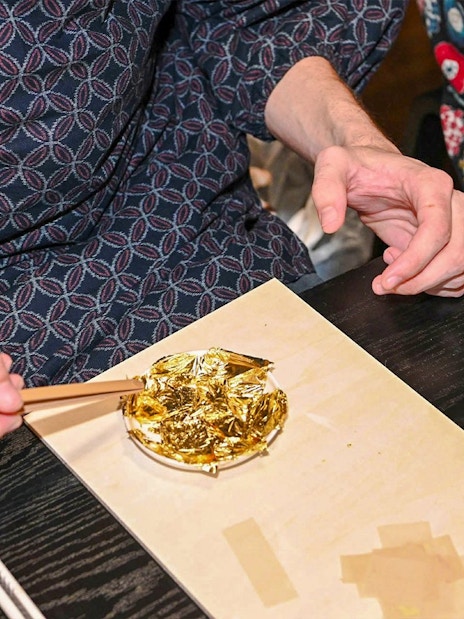
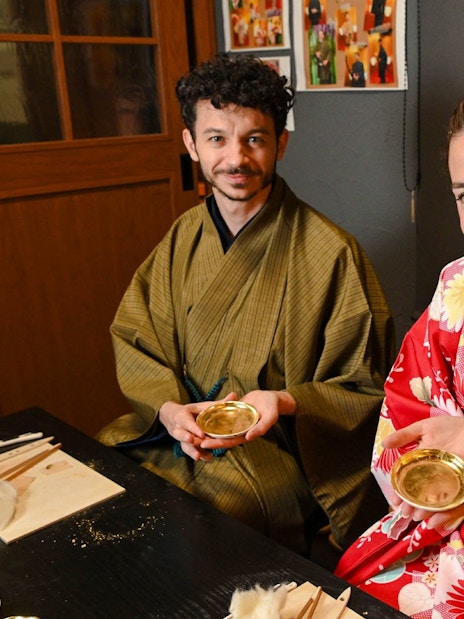
| Kimono & Tea (Nishiki Market) | Kimono + ceremony + optional calligraphy or gold-leaf craft | Choose for hands-on cultural add-ons and stronger photo moments; higher price | ~90–120 minutes | Shared / Private | ¥7,700 |
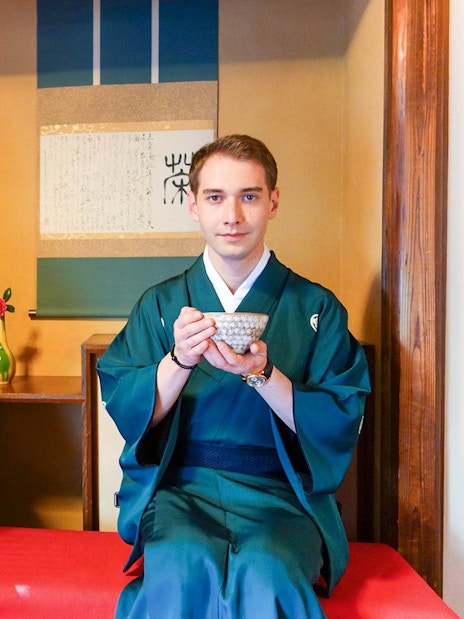
| Tea Ceremony & Wagashi | Ceremony in a machiya, seasonal wagashi; private option available | Authentic machiya setting; quieter atmosphere and better visuals | ~60–90 minutes | Shared / Private | ¥7,700 |
| Grinding Matcha + Tea Museum | Matcha grinding workshop + Tea Museum entry | Best for matcha enthusiasts and learning origins; lower cost than premium machiya options | ~60–90 minutes | Workshop / small group | ¥2,800 |
| Make Your Own Matcha | Guided meditative session + hands-on matcha making | Deeper, reflective format for mindful visitors who want a slower, focused experience | ~60–90 minutes | Guided | ¥7,000 |


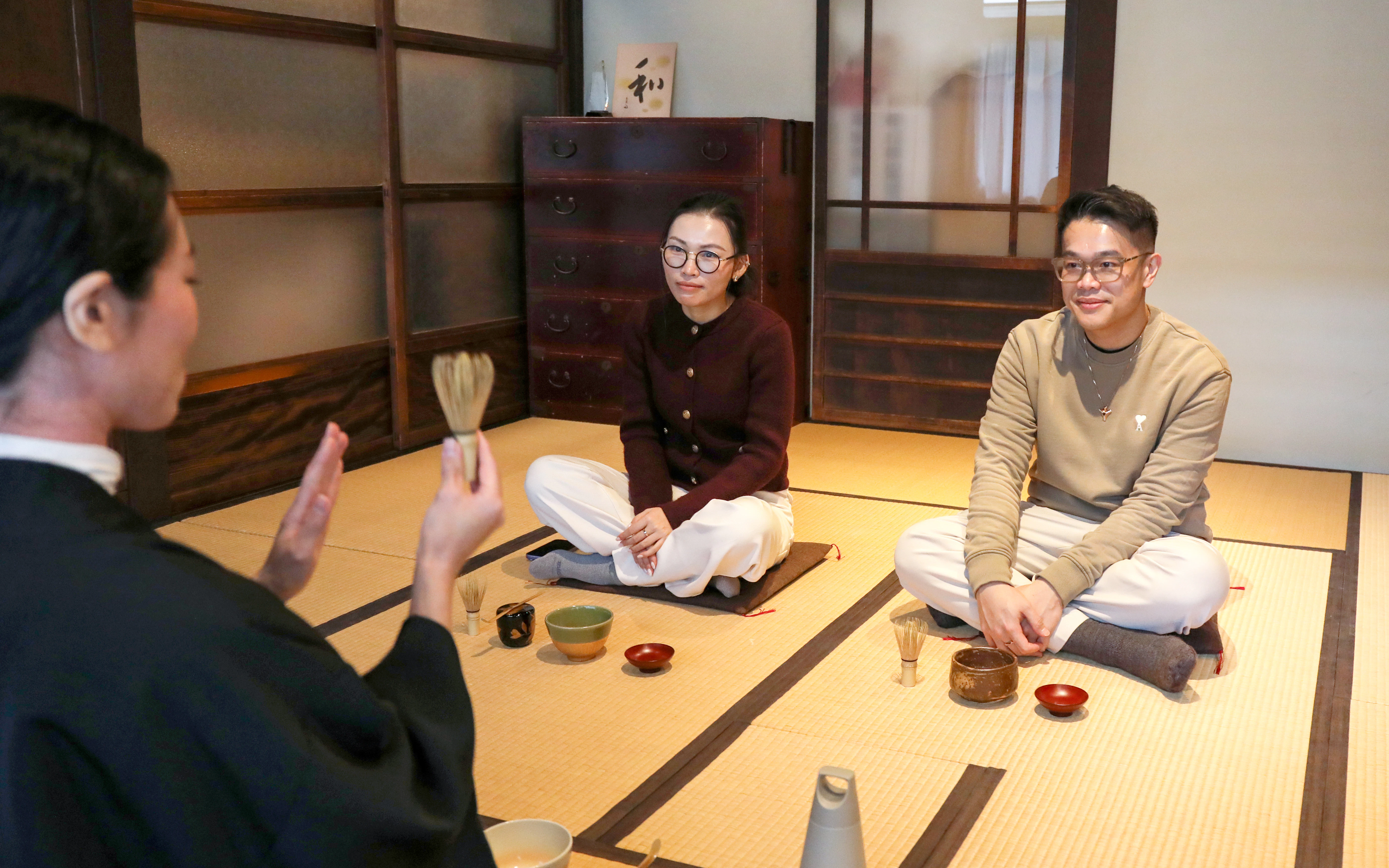


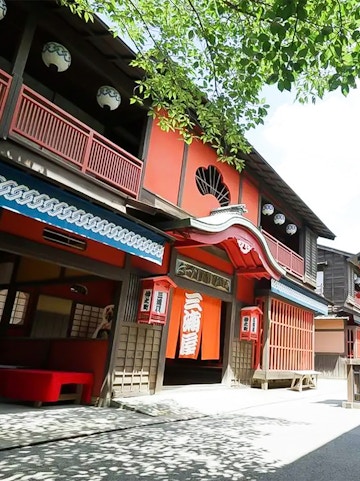
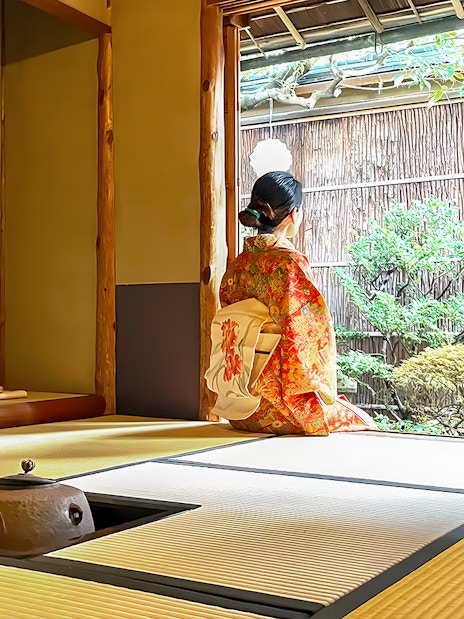
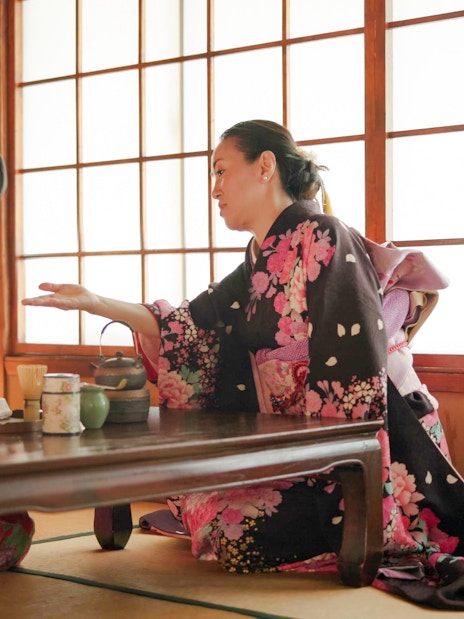
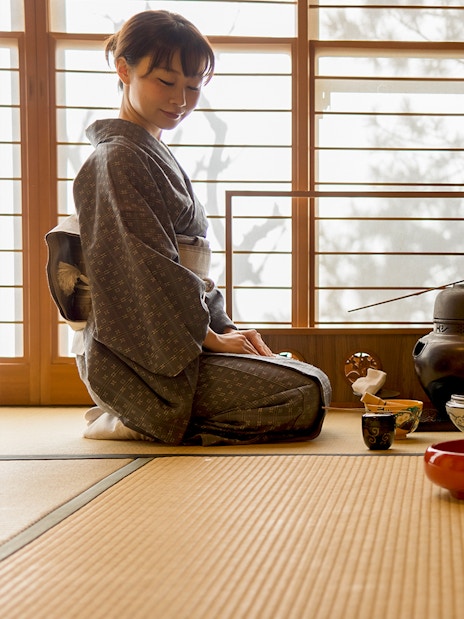
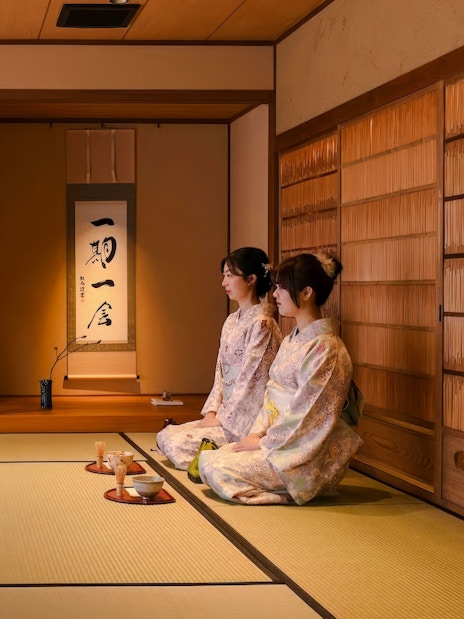
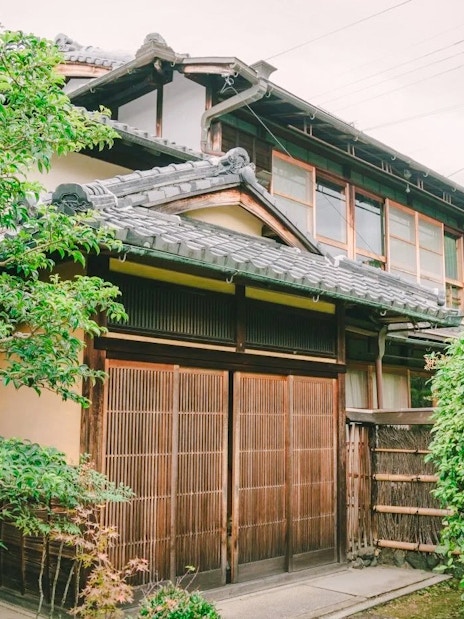
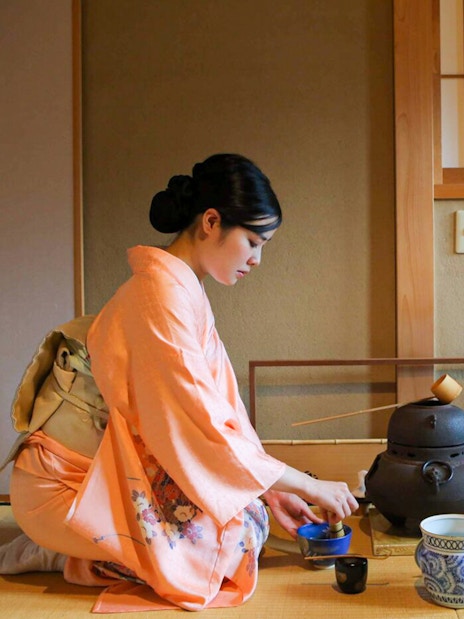
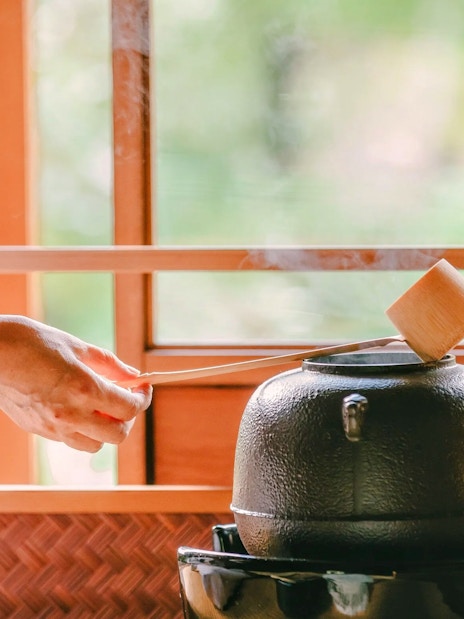
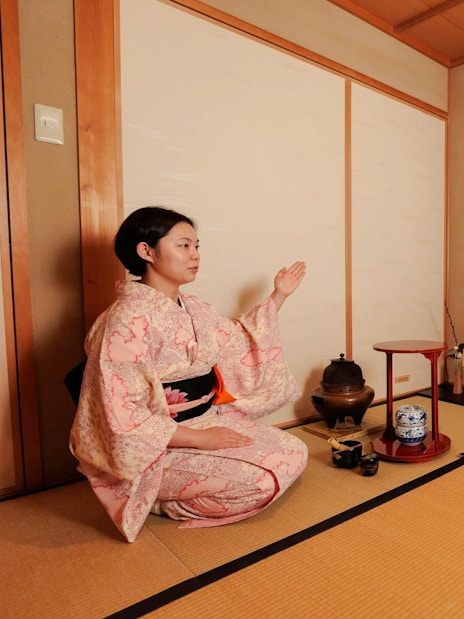
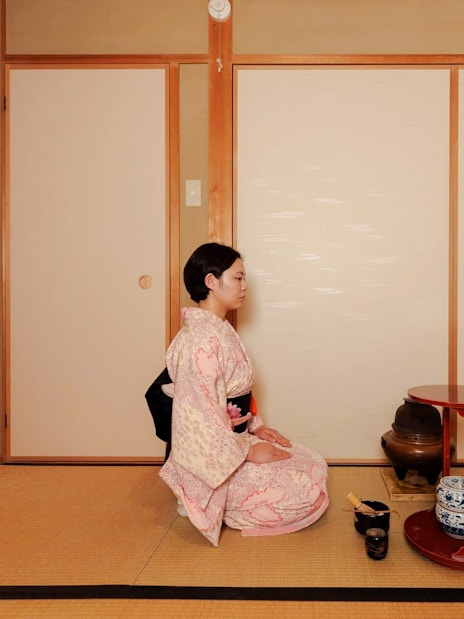
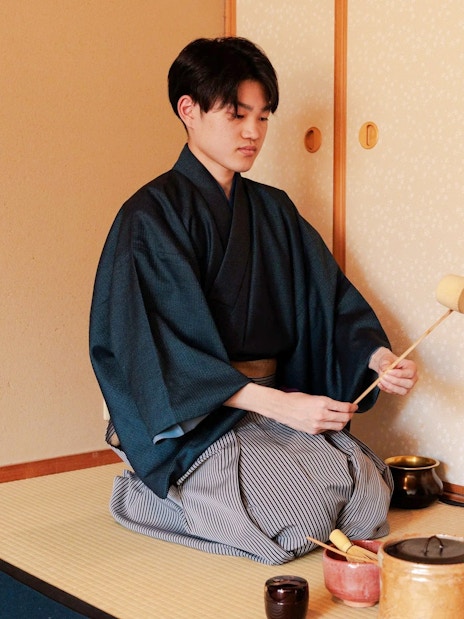
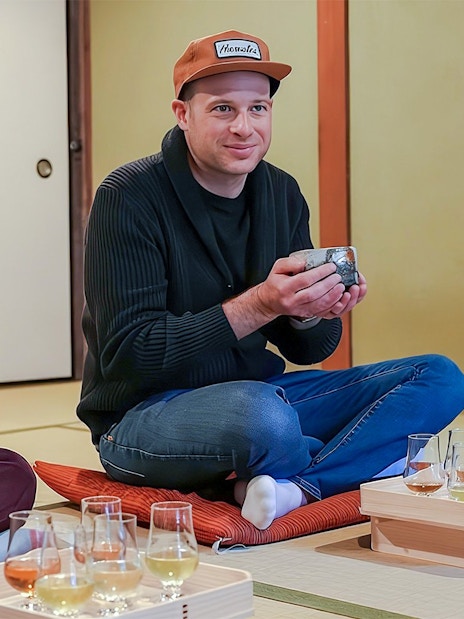
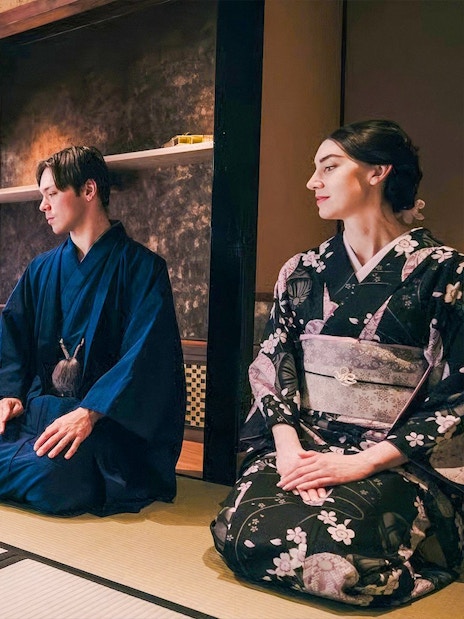
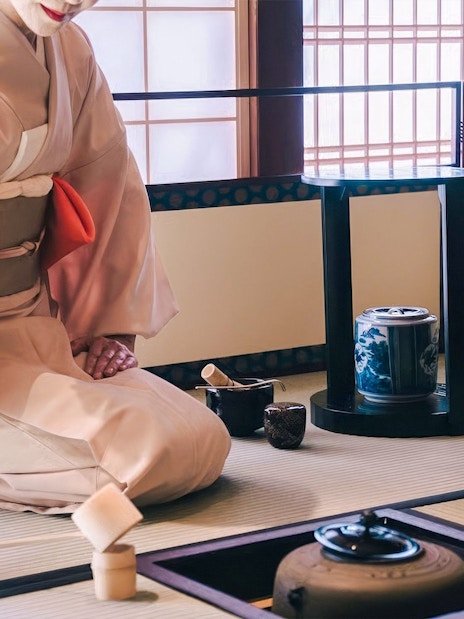
Tea ceremony and kimono wearing in a historic Kyoto machiya.
Inclusions #
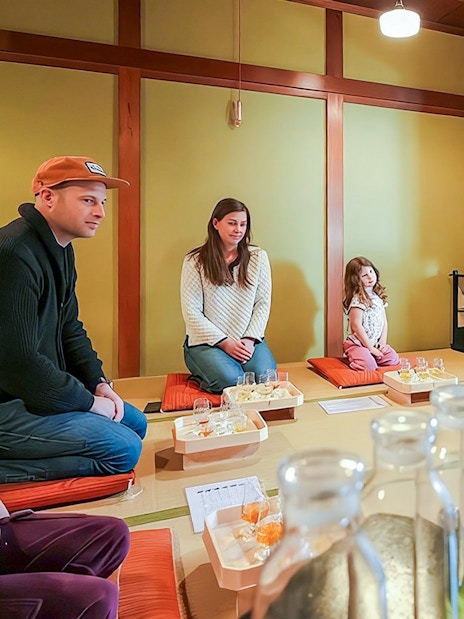
Shared or private group session (as per option selected)
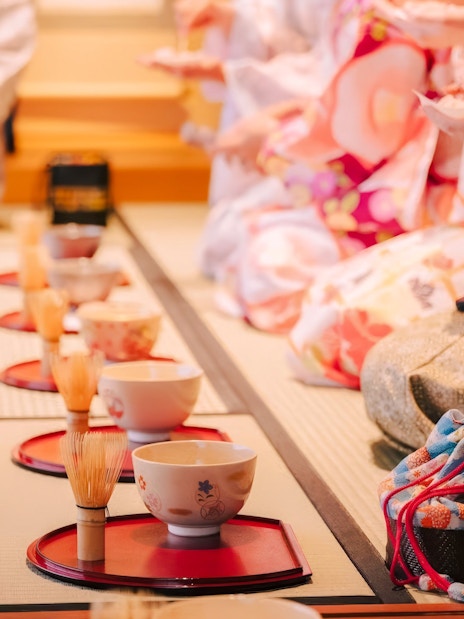
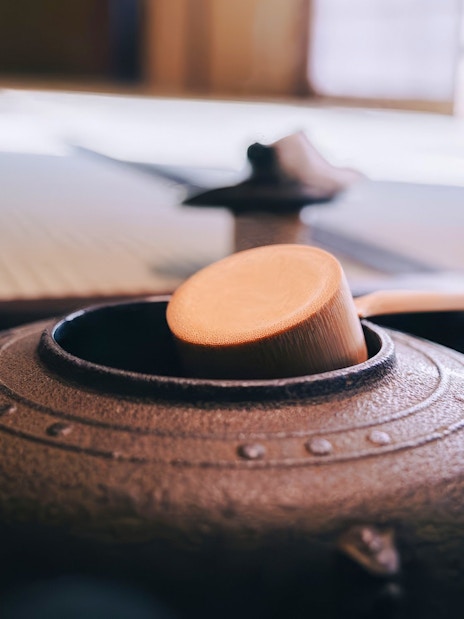
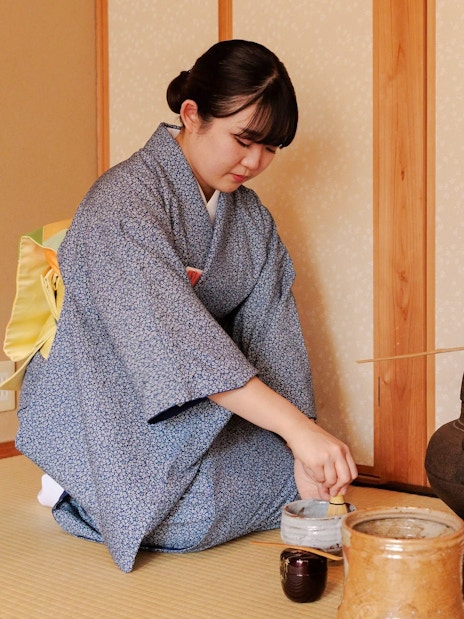
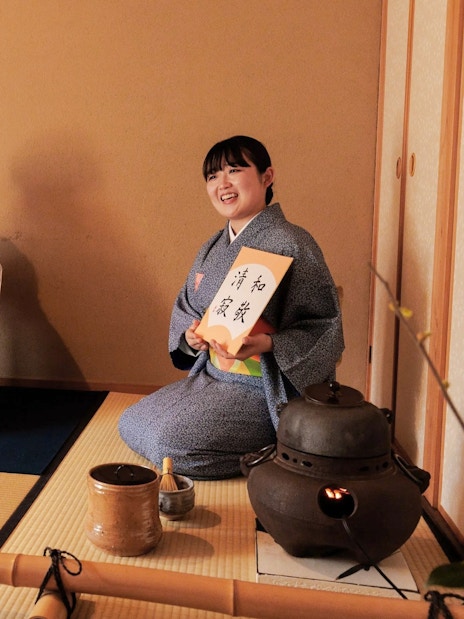
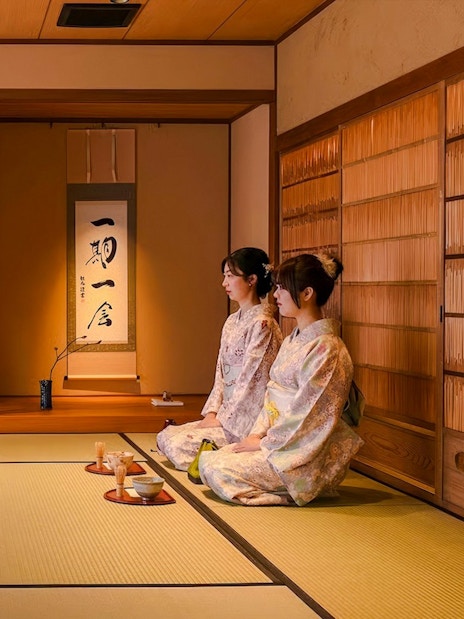
Tea ceremony experience (Ryureiseki style seating)
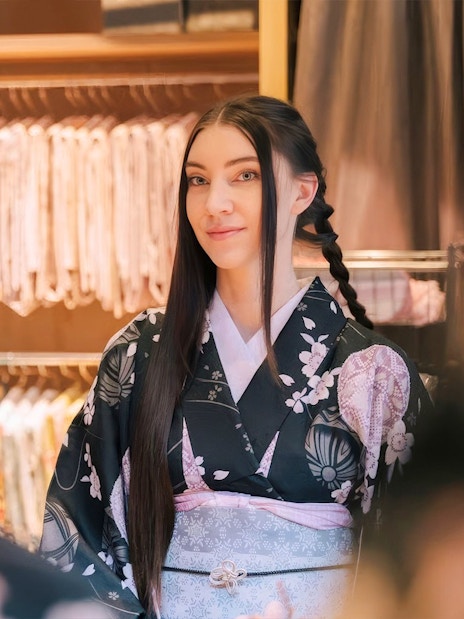
Regular kimono with obi sash
Premium silk kimono with obi sash (if option selected)
Entry to Nishijin Tondaya machiya house
Exclusions #
Socks (please bring your own socks)
Geta (traditional Japanese wooden sandals)
Hair styling
Make up
Lunch
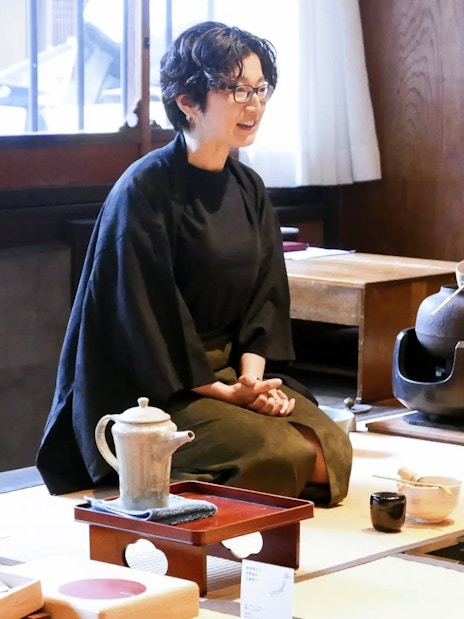
An authentic tea ceremony at a Japanese home near Kinkaku-ji Temple, guided by an experienced instructor**.**
Inclusions #
45-minute shared tea ceremony session
Tea ceremony conducted in English
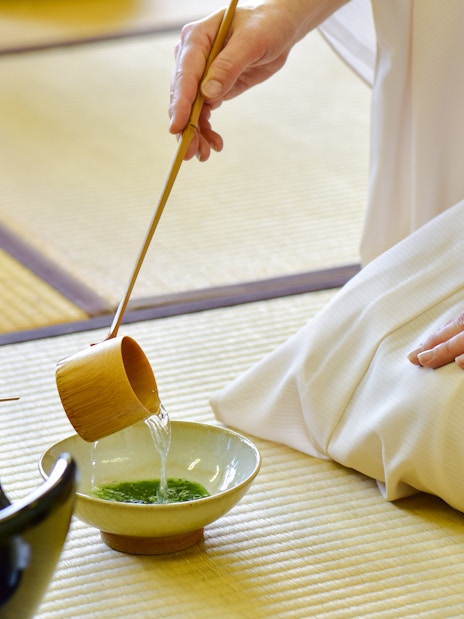
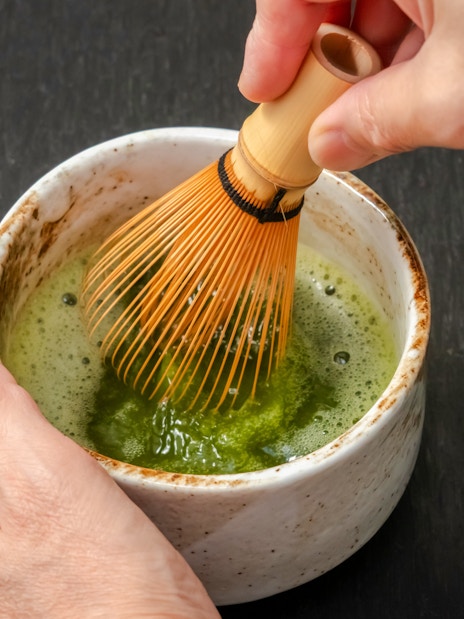
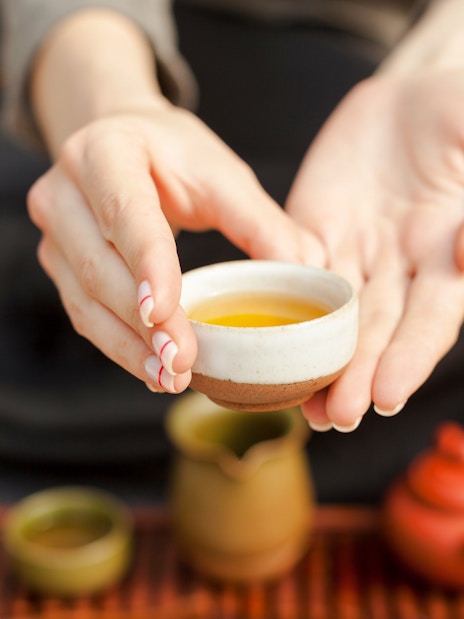
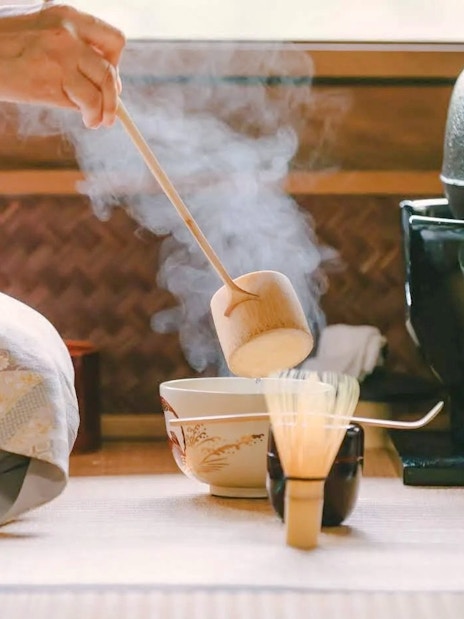
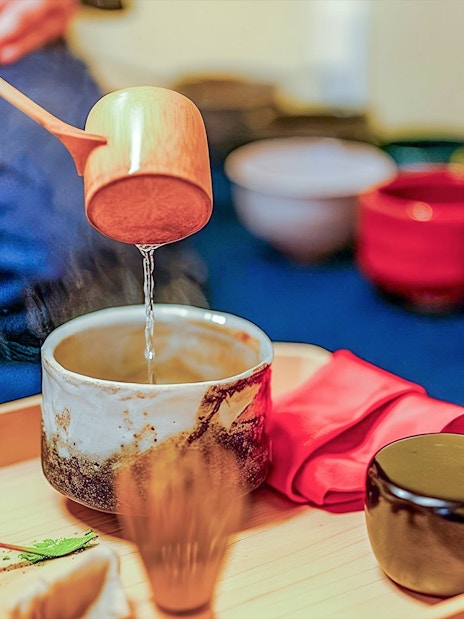
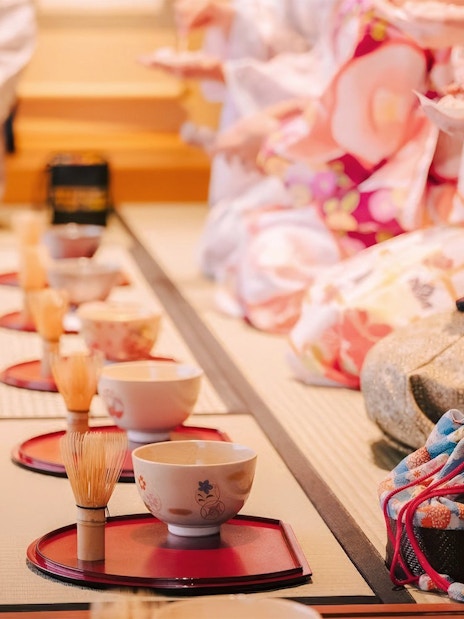
Matcha preparation and tasting
Introduction to tea ceremony etiquette
Kimono dressing during the ceremony (if option selected)
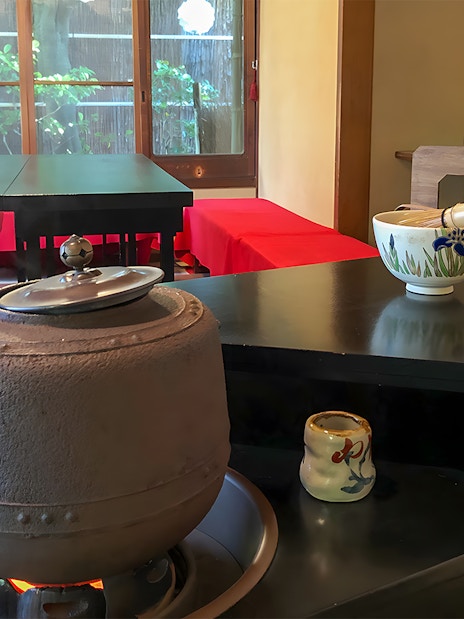
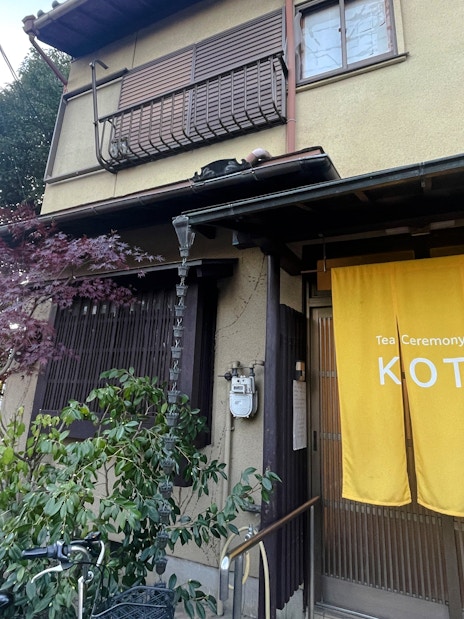
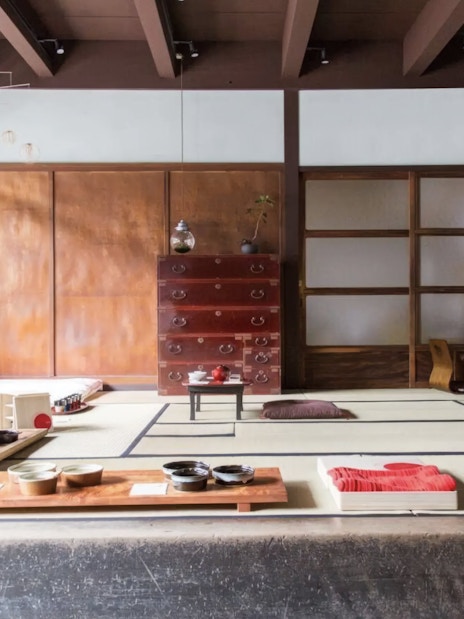
Traditional tea ceremony in a 100-year-old Kyoto machiya near Nishiki Market
Inclusions #
Guided Japanese tea ceremony
Matcha tea preparation session
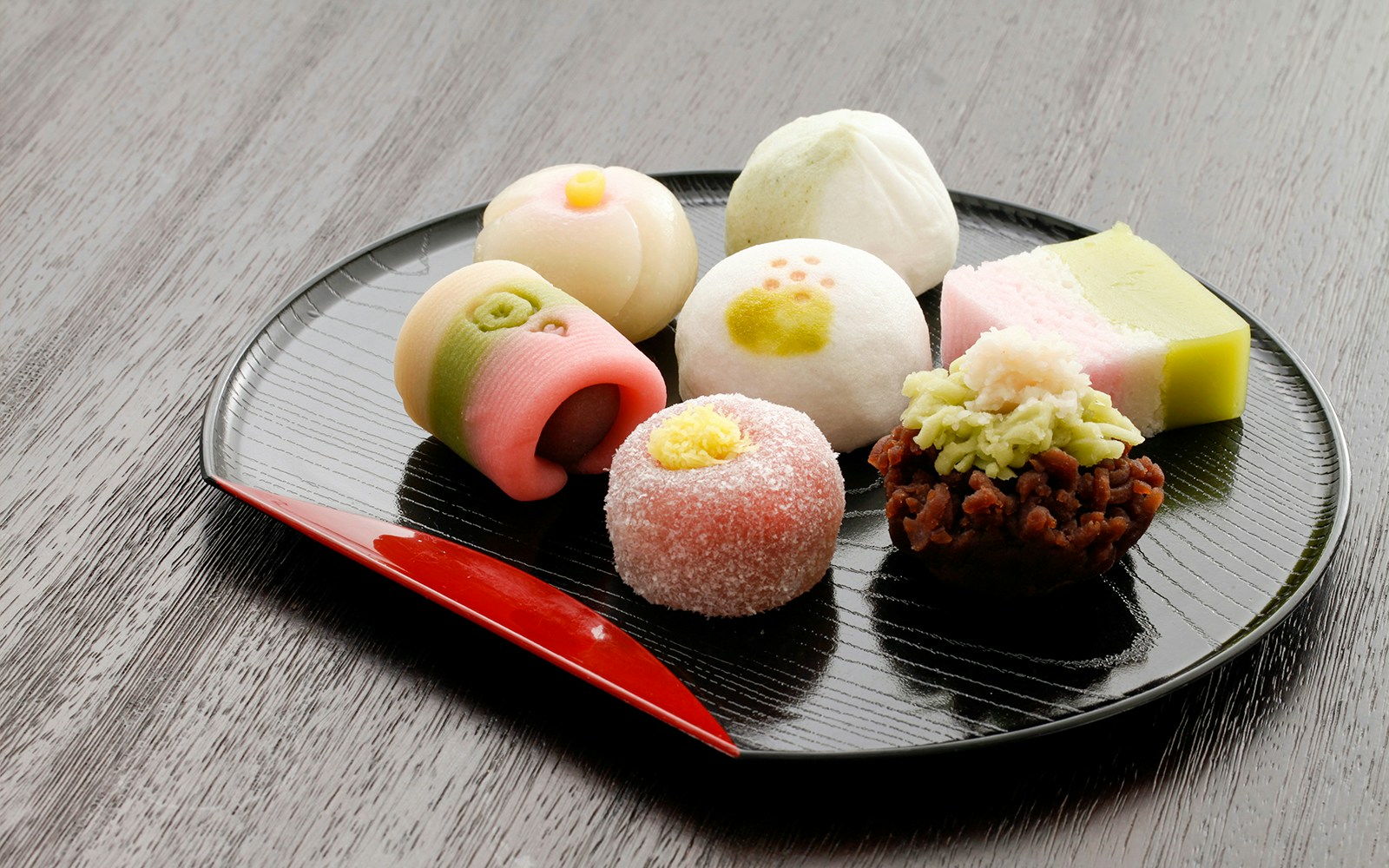
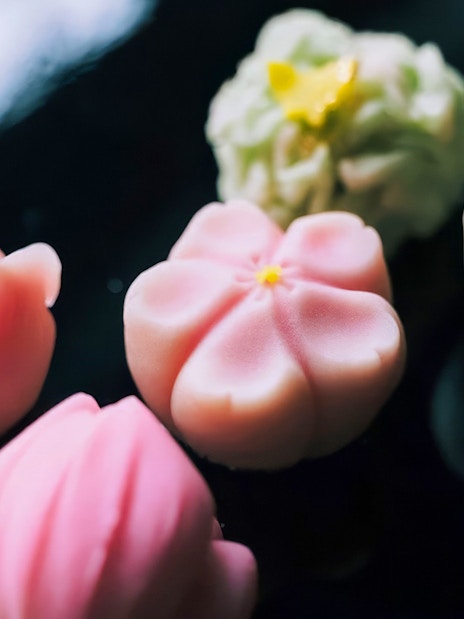
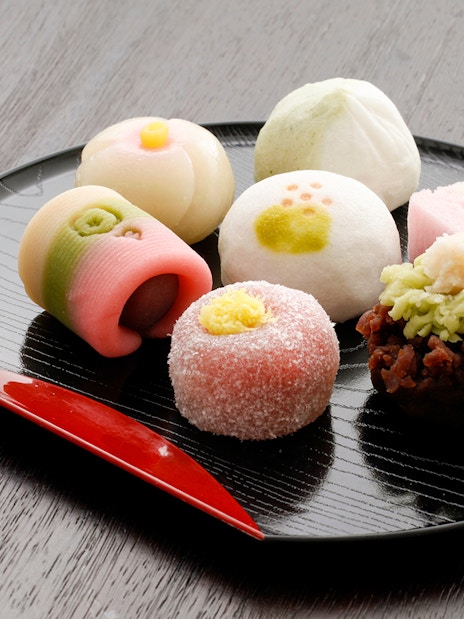
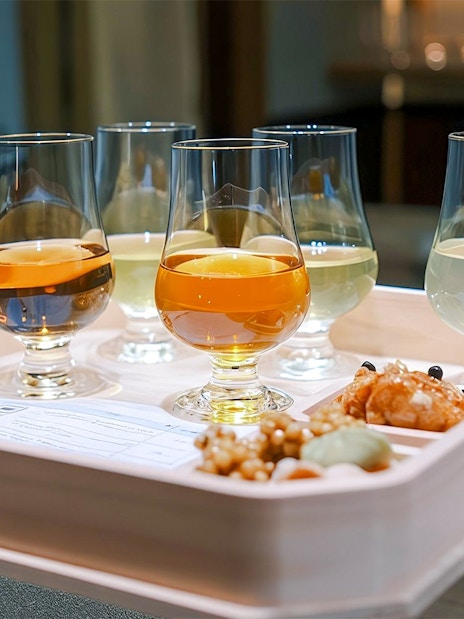
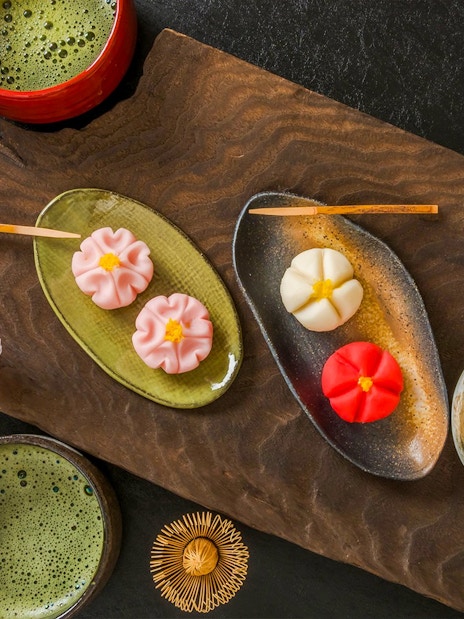
Traditional wagashi sweets
Tea ceremony etiquette guidance
Tea ceremony in machiya townhouse
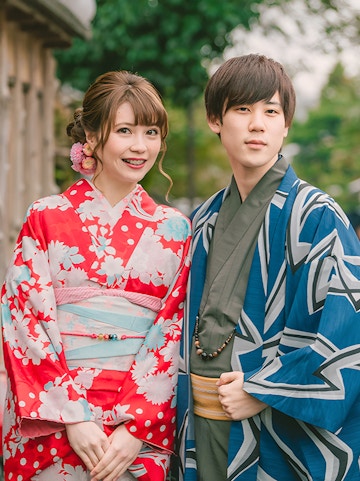
Kimono rental (based on option selected)
Exclusions #
Hotel transfers
Personal expenses
Professional photography services
Step into Kyoto’s cultural heart—wear a kimono and master the art of Japanese tea ceremony.
Inclusions #
Kimono set rental
Simple hairstyling (women only)
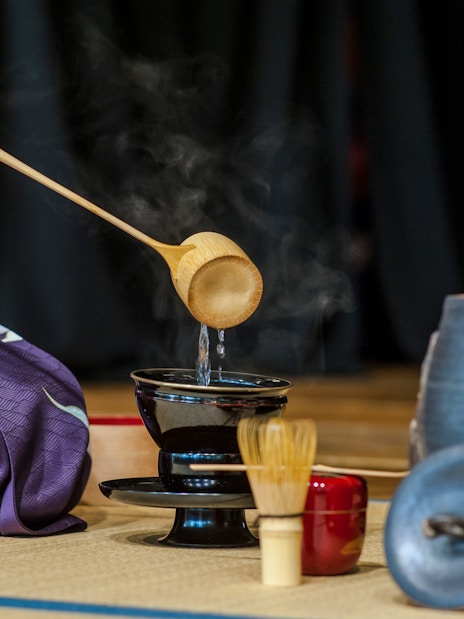
Tea ceremony utensils rental
Traditional snacks (wagashi and matcha)
Licensed guide
All fees and taxes
J apanese calligraphy set rental (based on option selected)
Exclusions #
Grind, brew, and drink matcha in Uji with museum entry included.
Inclusions #
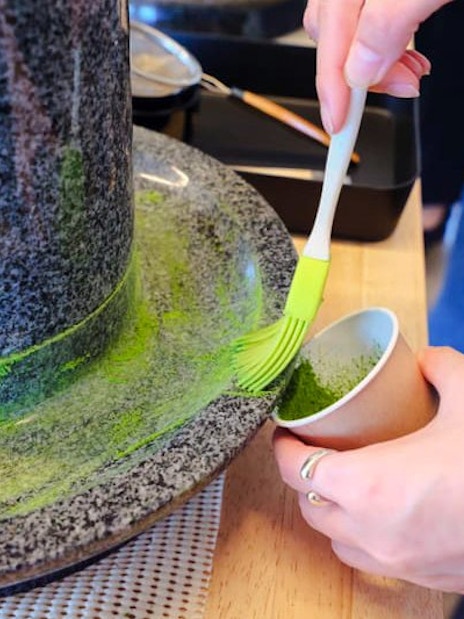
1-hour grinding matcha experience
Stone mill matcha grinding workshop
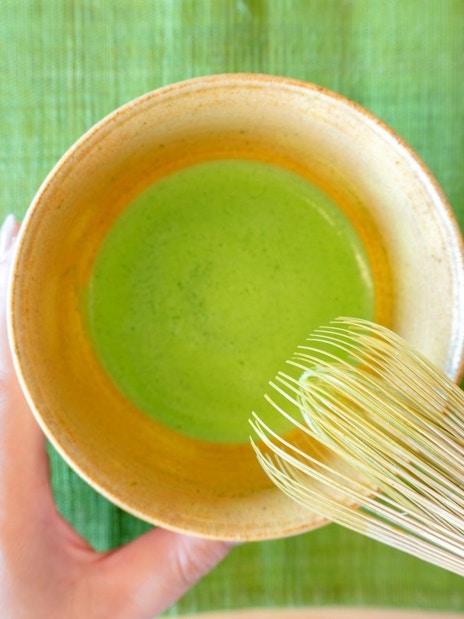
Brewing and tasting session
Japanese tea instructor guidance
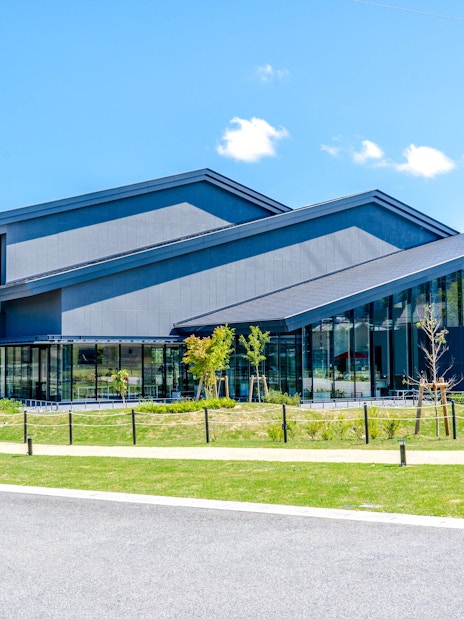
Entry to Chazuna Tea Museum
Exclusions #
Please bring your booking confirmation.
Authentic 45-minute tea ceremony with matcha and seasonal wagashi.
Inclusions #
45-minute tea ceremony experience
Shared or private session (as per option selected)
Tea ceremony performed in English
Seasonal Japanese sweets (wagashi)
Matcha preparation and tasting
Optional all-day kimono rental (Flower/Annex only)
Immerse yourself in a private Japanese tea ceremony with hands-on matcha making in Nara.
Inclusions #
Private tea ceremony in renovated house
One-on-one tea master instruction
Hands-on matcha making practice
5 types of Japanese tea
Traditional Japanese sweets (wagashi)
Two types of matcha
Step into Kyoto’s traditions—choose your kimono and savor a hands-on tea ceremony experience.
Inclusions #
Choice of over 200 kimonos
Free hair styling for women
Kimono rental
All materials necessary for the selected experience (tea ceremony, calligraphy, or gold leaf workshop)
Japanese sweets from a long-established store (based on option selected)
Finished gold leaf plate to take home (based on option selected)
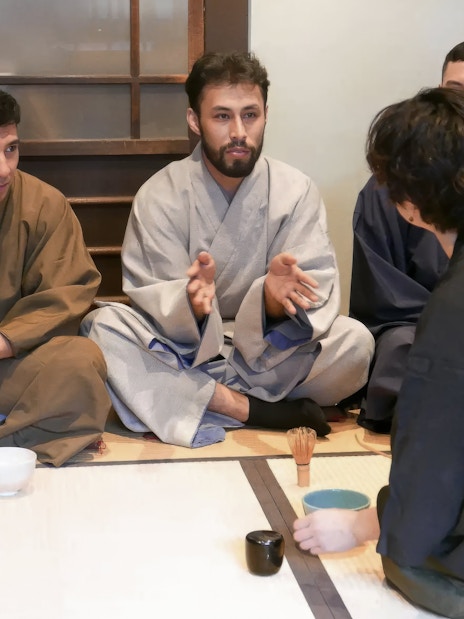
Make your own matcha in a 100-year-old Kyoto machiya.
Inclusions #
1-hour tea ceremony experience
Small group session (max 8 participants)
Tea master trained in the Omotesenke tradition
Matcha-making experience
1 bowl of matcha
Traditional Japanese sweets
Use of traditional tea utensils
Exclusions #
Hotel pickup and drop-off
Kimono rental
Hair styling

You can cancel these tickets up to 24 hours before the experience begins and get a full refund.
Book now without paying anything. Cancel for free if your plans change.
You can cancel these tickets up to 72 hours before the experience begins and get a full refund.
Book now without paying anything. Cancel for free if your plans change.


You can cancel these tickets up to 24 hours before the experience begins and get a full refund.
Book now without paying anything. Cancel for free if your plans change.




You can cancel these tickets up to 24 hours before the experience begins and get a full refund.
Book now without paying anything. Cancel for free if your plans change.
You can cancel these tickets up to 24 hours before the experience begins and get a full refund.
Book now without paying anything. Cancel for free if your plans change.

You can cancel these tickets up to 24 hours before the experience begins and get a full refund.
You can cancel these tickets up to 24 hours before the experience begins and get a full refund.
Book now without paying anything. Cancel for free if your plans change.
You can cancel these tickets up to 24 hours before the experience begins and get a full refund.
Book now without paying anything. Cancel for free if your plans change.